EN
EN



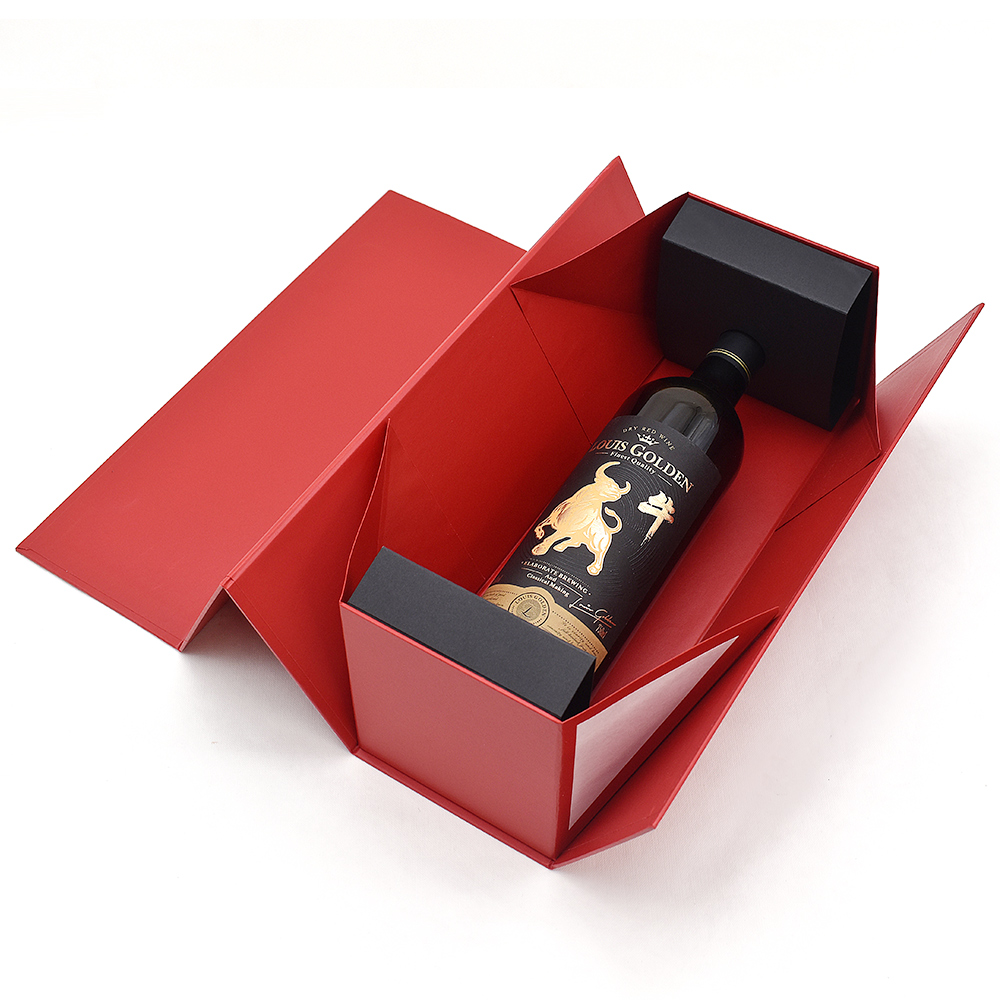
ASTM D5276 and ISTA Protocols: Core Drop Test Standards for Cosmetic Packaging
ASTM D5276: Standardized Free-Fall Methodology for Glass Bottle Secondary Packaging
ASTM D5276 defines the authoritative free-fall drop test for loaded containers—especially relevant to secondary packaging of glass bottle cosmetics. It applies to packages weighing up to 110 pounds, aligning with typical manually handled shipping cases. Drop height is determined by container weight and handling intensity: for example, cartons under 21 lb are dropped from 30 inches (76 cm). For fragile cosmetic glass bottles, this simulates sudden shocks during loading, unloading, and stacking—enabling quality control teams to evaluate whether inner cushioning and outer box structure collectively prevent breakage. The test sequence includes multiple impacts to corners, edges, and faces, progressively exposing failure modes. Repeating the procedure across representative samples allows manufacturers to compare box designs and cushioning materials objectively, ensuring final configurations withstand real-world logistics. This data-driven validation is essential for glass bottle cosmetics, where even microfractures compromise product integrity and brand reputation.
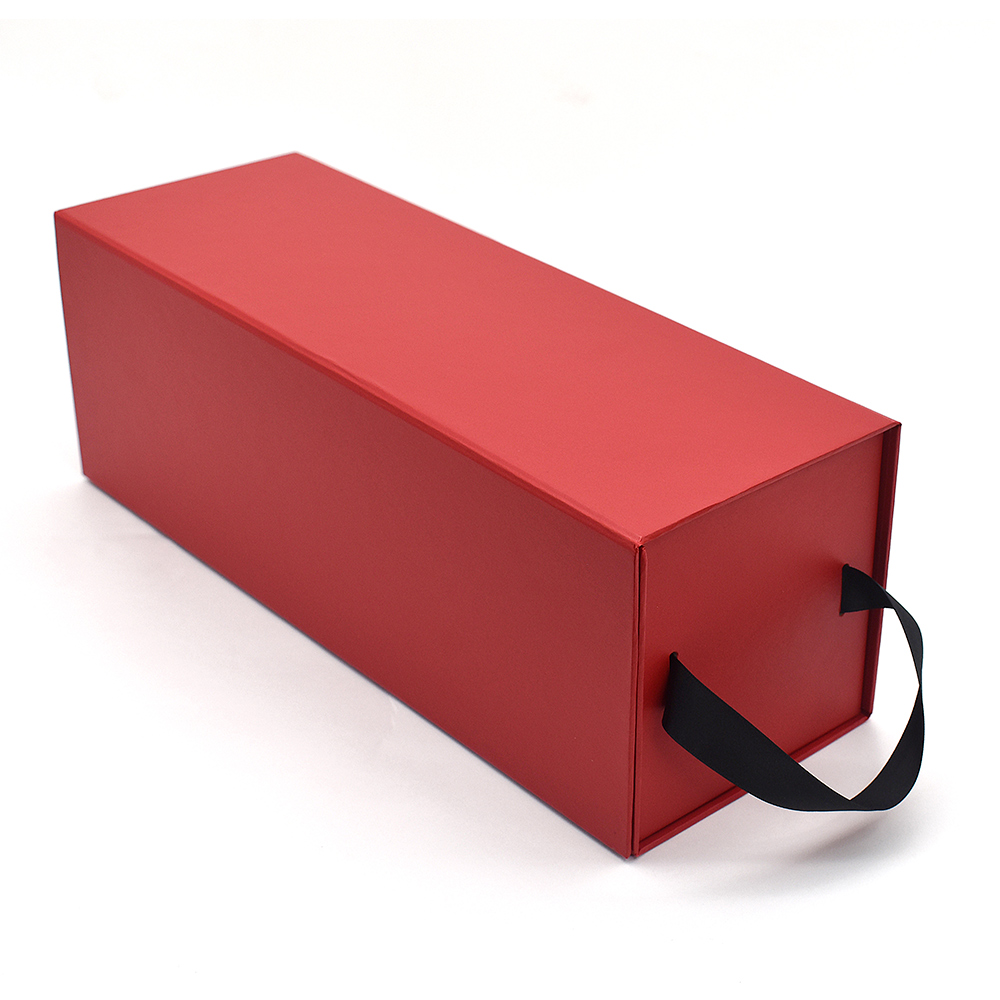
ISTA 3A & 6-Series: Real-World Distribution Simulation for Fragile Cosmetic Boxes
While ASTM D5276 isolates single-event shock, ISTA protocols simulate the cumulative stresses of actual distribution. ISTA 3A—a dynamic performance test for individually packaged products—subjects fragile cosmetic boxes to 17–19 drops at heights calibrated to product weight, plus vibration and compression profiles that replicate conveyor movement, sortation, and road transport. As outlined in ISTA’s official drop test procedures, this multi-stress approach reveals weaknesses that single-drop tests miss. For direct-to-consumer shipments—where glass bottle cosmetics often ship in lightweight, design-forward boxes—the ISTA 6-Series (e.g., Amazon.com-SIOC) adds e-commerce–specific drop sequences onto hard surfaces, emphasizing orientational impacts critical to detecting structural gaps. By combining ASTM’s precision with ISTA’s realism, brands validate packaging against the full spectrum of logistics hazards—protecting product integrity, informing material and design decisions, and reinforcing consumer trust through demonstrable durability.
Critical Drop Orientations: Why Corners, Edges, and Faces Dictate Glass Bottle Survival
Corner Drops as the Highest-Risk Scenario for Glass Bottle Breakage
Corner drops concentrate maximum impact force onto the smallest surface area—the most severe stress condition for glass bottle packaging. Upon corner impact, cushioning compresses unevenly, channeling energy into a localized point that often bypasses designed load-distribution features. This generates sharp acceleration spikes capable of exceeding glass’s fracture threshold. In quality control, corner drops consistently expose latent vulnerabilities: insufficient corrugated board thickness, inadequate clearance between bottle and box wall, or misaligned internal supports. Testing all eight corners also mirrors the randomness of automated sorting and manual handling—where unpredictable landings dominate real-world transit. A single corner failure signals systemic weakness, requiring structural reinforcement—not just added padding—making it the most diagnostic orientation in any drop test program.
Comparative Impact Analysis: Edge vs. Face Drop Performance in Cosmetic Boxes
Edge and face drops produce fundamentally different failure mechanisms. Edge impacts distribute energy along a narrow line, inducing asymmetric buckling that can shear cushioning layers and expose the glass bottle to direct contact with rigid outer materials. Face drops, by contrast, spread force across an entire panel—engaging crumple zones and allowing uniform deceleration—yet still pose risks if product restraint is inadequate. For instance, a heavy glass bottle may shift inside the box during face-down impact and strike its own closure with enough force to crack the neck. Effective quality control programs test both orientations to calibrate the balance between rigidity and energy absorption. Industry data shows passing edge-drop criteria correlates more strongly with field survival than face-only success—underscoring why comprehensive orientation testing is non-negotiable for high-value cosmetic packaging.
Design-Driven Durability: Optimizing Cosmetic Box Structure for Drop Test Success
Material Selection, Cushioning, and Structural Reinforcement Strategies
Material choice, cushioning strategy, and structural geometry jointly determine drop test performance. Double-wall corrugated board with C-flute delivers superior crush resistance and energy absorption compared to single-wall alternatives—critical for mitigating free-fall shock. Molded pulp cradles or PU foam end caps provide controlled deceleration, preventing glass-to-glass or glass-to-box contact; optimal closed-cell foam thickness typically ranges from 25–50 mm, validated through iterative drop testing. High-risk zones—edges and corners—are reinforced with die-cut protectors and internal partitions to redistribute stress away from vulnerable points. Fluting orientation aligned with expected drop axes further enhances panel stiffness and impact resistance. Structural enhancements—including full-overlap flaps and interlocking tabs—boost rigidity without adding unnecessary mass. When applied holistically, these strategies reduce glass breakage by over 50% versus baseline packaging in ISTA 3A testing—directly supporting reliable, damage-free delivery.
From Test Data to Quality Control: Using Drop Results to Predict and Prevent Breakage
Drop test results serve as a predictive analytics engine—not just a compliance checkpoint—for cosmetic packaging quality control. Systematic analysis of failure patterns across multiple samples identifies recurring issues: repeated neck fractures suggest insufficient top-end cushioning; base cracks point to inadequate bottom support or excessive internal movement. A 2023 industry analysis found 45% of glass breakage originated from corner impacts—highlighting how orientation-specific data uncovers failure modes invisible in aggregate pass/fail reporting. This insight shifts engineering focus from reactive fixes to proactive refinement: strengthening high-stress edges, selecting higher-density foam, or adjusting internal dimensions to limit bottle travel. Consistency is enforced by applying identical protocols to every production batch—and when field damage rates diverge from lab-predicted outcomes, test parameters undergo immediate review. Embedding drop test intelligence into quality control transforms breakage from an accepted risk into a quantifiable, preventable variable—safeguarding both product performance and brand equity.
FAQ
What is ASTM D5276?
ASTM D5276 outlines the free-fall drop test methodology for packaged goods weighing up to 110 pounds, focusing on secondary packaging for glass bottle cosmetics.
How does ISTA 3A differ from ASTM D5276?
ISTA 3A simulates real-world distribution stresses, including multiple drops, vibration, and compression, while ASTM D5276 focuses on single-event shock.
Why are corner drop tests particularly important?
Corner drops expose the highest risk of stress concentration, identifying latent vulnerabilities in glass bottle packaging better than other orientations.
How can packaging materials affect drop test results?
Using double-wall corrugated boards, closed-cell foam cushioning, and reinforced edges significantly enhances durability in drop tests.
What are the benefits of embedding drop test results into quality control processes?
Analyzing drop test data helps predict vulnerabilities, refine packaging designs, and minimize damage during product transit.
Table of Contents
- ASTM D5276 and ISTA Protocols: Core Drop Test Standards for Cosmetic Packaging
- Critical Drop Orientations: Why Corners, Edges, and Faces Dictate Glass Bottle Survival
- Design-Driven Durability: Optimizing Cosmetic Box Structure for Drop Test Success
- From Test Data to Quality Control: Using Drop Results to Predict and Prevent Breakage
- FAQ