EN
EN



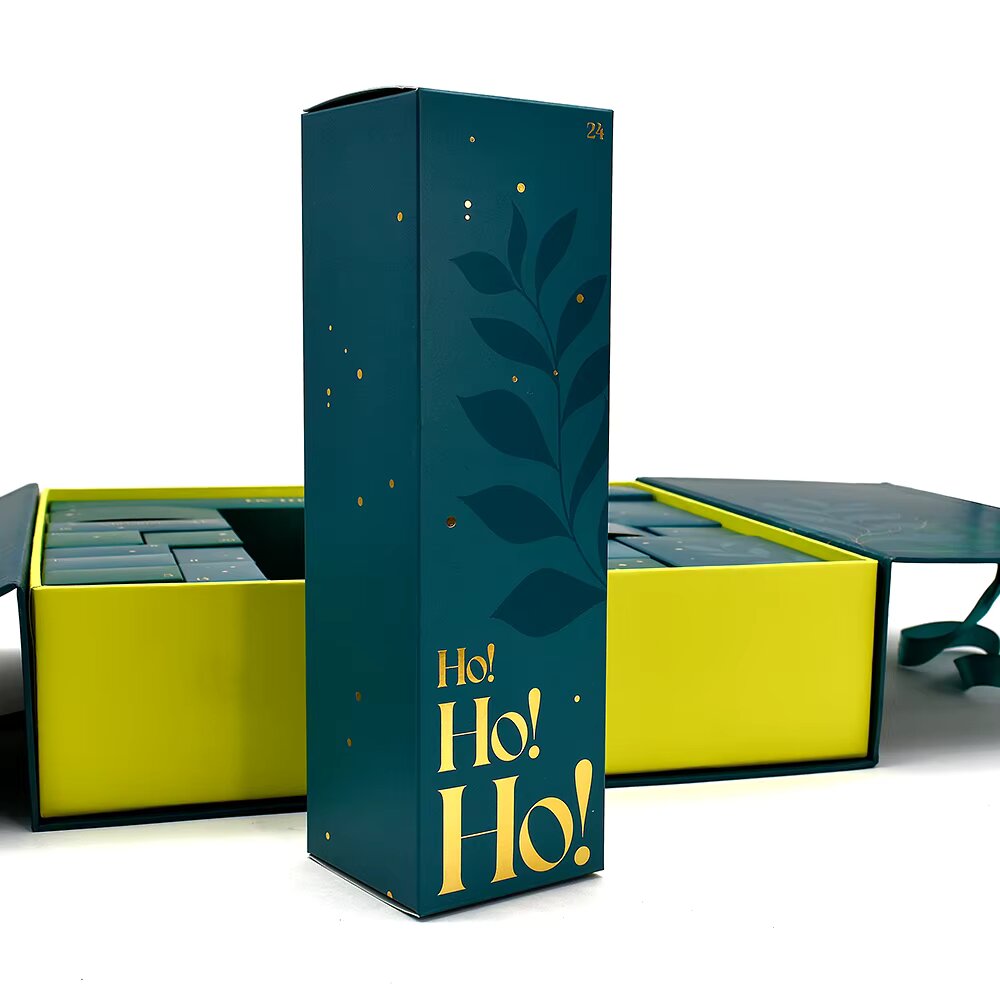
Why Packaging Durability Post-Shipping Directly Impacts Brand Aesthetics
The First 3 Seconds: How Box Appearance Shapes Unboxing Perception
The unboxing moment is a brand’s first physical handshake with the customer—and research shows that first impressions form within as little as three seconds. In e-commerce, where the package is the sole tangible touchpoint before purchase, its visual condition directly shapes perceived brand value. A box arriving with scuffs, dents, or crushed corners signals neglect before the customer even opens it—immediately undermining premium design elements like typography, color fidelity, and finish. Post-shipping durability ensures that print clarity, color vibrancy, and surface texture remain intact, triggering an unconscious positive emotional response and reinforcing trust. Conversely, cosmetic damage fractures the unboxing narrative: consumers don’t just see a damaged box—they infer compromised product quality, mishandling, or lack of brand care. In an era where unboxing videos go viral and social media magnifies every detail, structural integrity isn’t background infrastructure—it’s frontline brand equity. Engineering packaging to survive transit without aesthetic compromise transforms every delivery into a consistent, confident expression of brand promise.

McKinsey Data Insight: 68% of Consumers Equate Box Damage with Product Quality Decline
McKinsey reports that 68% of consumers associate visible packaging damage with a decline in product quality—a powerful cognitive shortcut that bypasses rational evaluation. This bias means a crushed corner or torn seam doesn’t just spoil aesthetics; it triggers an immediate, subconscious devaluation of the item inside. When customers receive a compromised package, their trust erodes before opening, often leading to increased returns, lower review scores, and negative word-of-mouth—even for high-performing products. Post-shipping durability, therefore, functions as a silent brand ambassador: a structurally sound, visually flawless box affirms attention to detail, reinforces premium positioning, and prevents the “quality downgrade” effect. Investing in aesthetic durability—ensuring the box arrives looking as intentional and refined as the product it contains—is not a cost center but a strategic safeguard for reputation, loyalty, and conversion in competitive e-commerce.
Engineering Aesthetic Durability: Balancing Structural Integrity and Visual Fidelity
Achieving packaging durability post-shipping while preserving box aesthetics demands precision—not just strength, but intelligent integration of structure, material science, and surface engineering.
Crush Resistance Thresholds That Preserve Print Clarity and Surface Finish
During transit, boxes endure stacking loads, vibration, and compression that can micro-fracture printed layers and dull finishes. ISTA 3A (2023) testing reveals that maintaining crush resistance above 44 psi is critical to prevent surface distortion in high-fidelity print. Boxes rated at 32 ECT or higher consistently retain crisp graphics and smooth finishes after simulated shipping cycles. Research by the Paper and Packaging Board (2023) found B-flute corrugation reduced print distortion by 40% versus E-flute under 50 lb top loads—its thicker fluting distributes pressure more evenly across the surface. High-gloss coatings and metallic foils are especially vulnerable; without adequate structural support, they develop hairline fractures that degrade perceived luxury. Effective solutions include reinforced corners, double-wall construction, and flute-profile optimization—not added bulk, but targeted shock absorption that keeps the visual surface pristine. These thresholds bridge engineering performance and brand perception: resilience isn’t measured in pounds alone, but in preserved clarity, color accuracy, and tactile consistency.
Dual-Layer Coating Case Study: 73% Reduction in Scuffing Without Sacrificing Luxury Feel
A 2023 case study by a leading packaging manufacturer demonstrated that a dual-layer coating system reduced scuffing by 73% while retaining the soft-touch, velvety hand feel expected in luxury packaging. The solution combined a matte soft-touch base with a 3-micron UV-cured gloss topcoat featuring a cross-linked polymer structure—engineered to resist abrasion without stiffening the substrate. In ISTA 6-FedEx-A simulations, treated boxes showed dramatically fewer abrasion marks than single-coated controls, with no loss of haptic sophistication or visual sharpness. Crucially, this approach preserved both optical clarity and sensory authenticity—proving that aesthetic durability need not trade off against experiential quality. The result is packaging that arrives as flawlessly tactile and visually resolved as it was designed to be—strengthening the alignment between protective function and brand voice.
Avoiding the Over-Packaging Trap: Optimizing for Box Aesthetics and Sustainability
When Excess Material Compromises Brand Voice — Real Tradeoffs in Premium E-Commerce
Over-packaging actively contradicts the very premium aesthetics it aims to protect. Oversized boxes demand excessive void fill, increasing weight, shipping costs, and environmental impact—while creating a cluttered, wasteful unboxing experience that feels inefficient rather than elevated. Worse, excess internal space invites movement during transit, raising the risk of scuffs, crushed corners, and print abrasion—visible flaws that directly erode brand perception. A 2023 consumer survey found that 62% associate minimal, well-fitting packaging with higher product quality, confirming that precision—not padding—signals intentionality and confidence. Right-sizing eliminates unnecessary filler, reduces carbon footprint, and aligns with sustainability commitments—all while preserving the clean, unblemished appearance essential to luxury presentation. The most effective brands treat packaging not as a protective shell, but as a precisely calibrated frame: engineered to hold, protect, and present—nothing more, nothing less.
FAQ Section
Why is packaging durability important in e-commerce?
Packaging durability ensures that the product’s box arrives in a pristine condition, which directly impacts perceived brand value and reduces cosmetic damage that can erode customer trust.
How does packaging appearance influence consumer perception?
The physical state of packaging significantly affects the customer's impression of the brand, with damages like dents and scuffs leading to assumptions of lower product quality or mishandling.
What strategies can improve post-shipping aesthetics?
Strategies include using crush-resistant materials, integrating protective coatings, optimizing corrugation profiles, and avoiding over-packaging to minimize unnecessary movement in transit.
Does over-packaging harm brand aesthetics?
Yes, over-packaging creates a wasteful and cluttered unboxing experience, raises shipping costs, and contradicts the sleek, premium aesthetics customers expect.
How can sustainability align with aesthetic durability?
Sustainability can align with aesthetic durability by using minimal, well-fitting packaging that reduces waste and environmental impact while maintaining pristine box appearance.