EN
EN



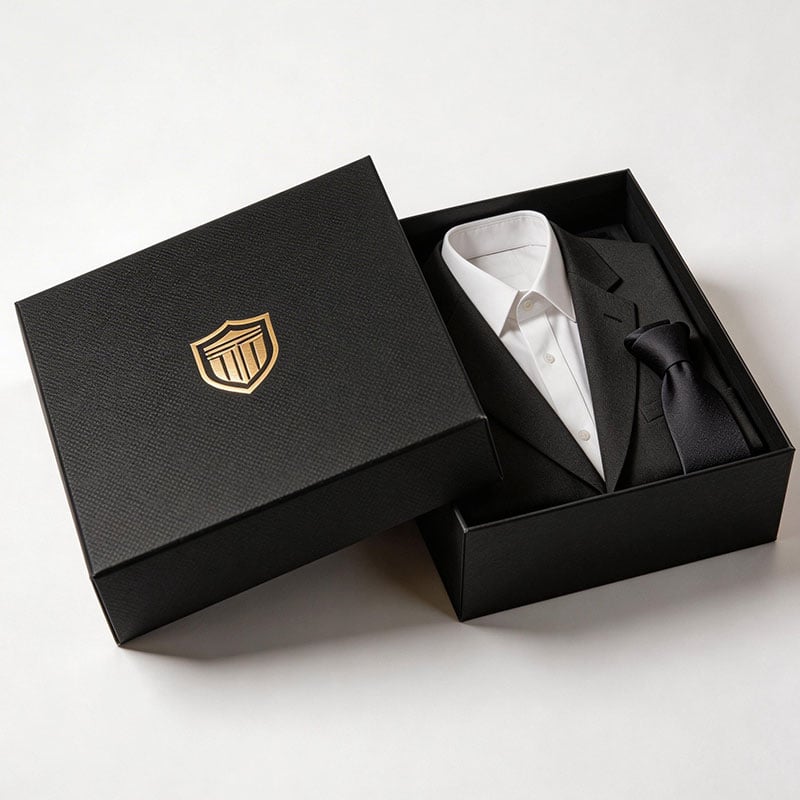
Budget Luxury Packaging: Smart Material & Finish Selection
How Texture and Material Perception Elevate Affordable Interior Design
The perceived value of an interior product often begins with its packaging—where texture and material selection act as silent ambassadors of quality. Even for affordable items, a tactile, well-crafted enclosure can trigger premium perception before the product is ever seen. This is rooted in sensory psychology: soft-touch coatings or subtle embossed patterns signal care and exclusivity, directly influencing willingness to pay. A 2022 study published in the International Journal of Consumer Studies found that packaging haptics accounted for up to 34% of overall product quality judgment. Strategic cost management means reallocating budget away from expensive structural elements and toward surfaces that beg to be touched—a matte lamination, velvet-feel stock, or textured sleeve. Such finishes transform a simple box into an affordable premium experience, deepening the unboxing ritual and reinforcing brand credibility. By focusing on material perception, brands can elevate an entry-level lamp or cushion to the same sensory tier as a high-end counterpart—without inflating production costs.
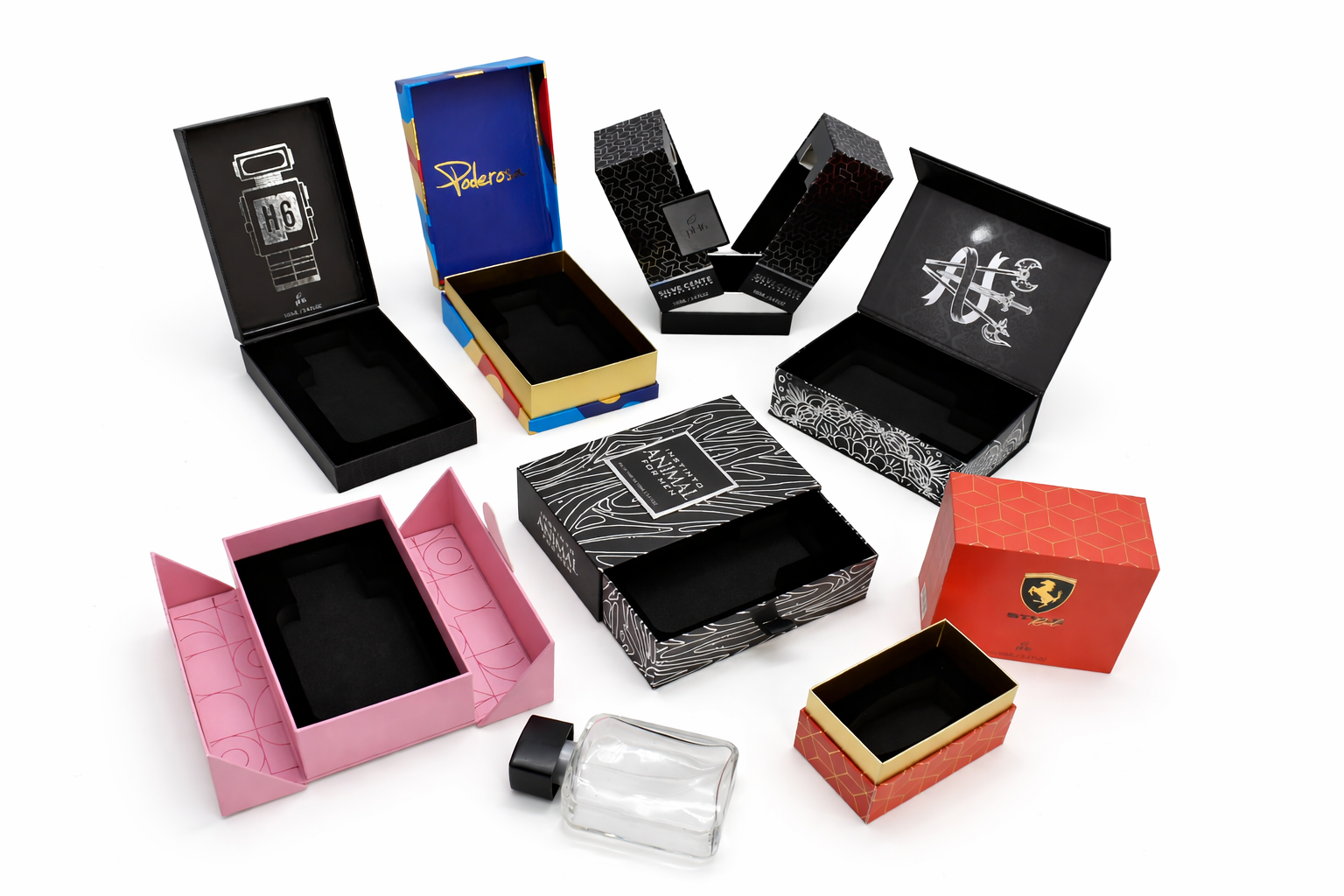
Top Budget-Friendly Materials That Mimic High-End Finishes
Smart material swaps create the illusion of luxury without the associated price tag. The following options demonstrate how affordable substrates can replicate premium finishes through clever design and finishing techniques:
- Kraft paper with a premium sleeve: A sturdy kraft box paired with a glossy, foil-stamped sleeve juxtaposes organic texture with metallic brilliance—delivering a high-low contrast that feels intentionally curated.
- 157 gsm art paper with luxury print: Lightweight yet crisp, this paper achieves a clean, gallery-like finish when printed with rich, saturated colors and spot gloss details—mimicking the look of thicker, more expensive boards.
- MDF with marble-effect spray: Engineered wood panels coated with a matte stone-effect spray convincingly evoke marble or travertine—ideal for rigid boxes housing statement decor pieces.
- Faux suede or velvet wraps: These fabrics add instant tactile warmth and opulence, commonly used for insert trays or lid coverings at a fraction of genuine leather’s cost.
- Embossed textures and soft-touch lamination: Adding a raised pattern or velvety finish to standard paperboard elevates the unboxing experience to that of a luxury boutique purchase.
Through these choices, cost management becomes invisible while perceived value soars—proving that budget luxury packaging is less about raw material cost and more about the story it tells.
Affordable Premium Styling: Curated Statement Pieces & Strategic Mixing
Why One Investment Piece Outperforms Mass-Market Clutter
A single high-quality item anchors a room, instantly shifting perception from “decorated” to “designed.” Rather than filling space with numerous inexpensive accessories, a well-chosen statement piece—a sculptural armchair, oversized artisan mirror, or hand-knotted rug—becomes the focal point the eye gravitates toward. A 2023 perception study by an independent design research group found that 82% of participants rated interiors as “luxurious” when they contained one standout premium element, compared to only 34% for rooms densely filled with mass-market décor. Rooted in visual hierarchy psychology, this effect signals intentionality and taste—elevating the entire space. In budget luxury contexts, this approach reduces clutter, simplifies seasonal updates, and ensures every dollar contributes directly to the perception of a high-end home. Channeling resources into one well-crafted anchor creates lasting sophistication—affordable, intentional, and unmistakably luxe.
The 3:1 High-Low Decor Ratio: Data-Backed Balance for Luxe Perception
Strategic mixing of price points—three budget-friendly elements for every one high-end piece—yields a curated, collected-over-time aesthetic that reads as authentic and luxurious. Data from a 2022 survey of 1,200 interior designers showed that rooms adhering to this 3:1 ratio were rated “upscale” by 76% of respondents, while spaces with exclusively low-cost or all-high-end furnishings were significantly less likely to earn that label. This balance works because the eye interprets interplay of texture and form—not price tags. For example, a premium linen sofa pairs seamlessly with three affordable velvet cushions, a thoughtfully sourced side table, and a budget-friendly floor lamp—creating cohesion and layered depth. Effective cost management here isn’t about cheapening the whole room; it’s about concentrating investment where it matters most and letting modest accents elevate the hero piece. The 3:1 ratio delivers the nuance and richness of a designer interior—without overspending.
Cost Management Through Lighting, Color, and Spatial Intentionality
Strategic lighting design cuts operational costs while amplifying perceived value. A layered approach—combining ambient, task, and accent fixtures—directs illumination precisely where needed, eliminating wasteful over-lighting of unused areas. Energy modeling studies from leading lighting designers in 2023 show this method reduces energy consumption by up to 40% compared to uniform ceiling-grid installations. LED technology forms the backbone: fixtures last over 50,000 hours and use 75% less energy than incandescent alternatives. Maintenance savings alone typically justify the initial investment within 18–24 months for most commercial spaces.
Color psychology serves as a zero-cost luxury multiplier. Deep, saturated wall colors—charcoal, navy, or forest green—create visual depth that reads as custom and expensive, requiring no additional materials beyond standard paint. Lighter neutrals on ceilings and trim amplify natural light reflection, reducing daytime electricity demand. This deliberate color zoning tricks the eye into perceiving distinct, purpose-built zones—without physical partitions or costly architectural changes. Environmental psychology research confirms that high-contrast color boundaries increase perceived spatial value by associating darker tones with premium, intimate environments.
Spatial intentionality completes the framework—eliminating the need for physical expansion. Defining clear zones for focused work, collaboration, and relaxation through furniture placement and lighting cues replaces expensive wall construction. Open sightlines maintained with low-profile furnishings preserve airiness, while intentional clustering of seating creates functional pockets. This approach maximizes square-footage utility without renovation costs—proving that luxury perception stems from deliberate organization, not sheer volume of space.
Luxury Aesthetic Without High Spending: Space Planning and Sensory Layering
Proportional Balance and Intentional Styling for Instant Upscale Ambience
Achieving a high-end look on a budget starts with the deliberate use of space—the most overlooked luxury element. Research shows that 68% of premium brands rank spatial openness as a top-three visual tactic for conveying value, because breathing room around furnishings instantly elevates perceived importance. Instead of filling every corner, anchor the room with a few larger, well-placed pieces and let negative space frame them. Apply the same restraint to color: limit your palette to two or three complementary hues to create a curated, gallery-like calm. Layer texture—not clutter—by combining matte linens, nubby wool throws, and a single glossy ceramic accent. This sensory layering engages touch as well as sight, mimicking the multi-dimensional richness of luxury interiors and transforming an affordable space into a quietly sumptuous retreat.
FAQ
What are some affordable materials for luxury-like packaging?
Affordable options include kraft paper with a premium sleeve, 157 gsm art paper with luxury print, MDF with marble-effect spray, faux suede or velvet wraps, and embossed textures combined with soft-touch lamination.
What is the 3:1 high-low decor ratio?
It is a mix where three budget-friendly decor items complement one high-end statement piece, creating a balanced and upscale aesthetic.
How can lighting improve luxury perception on a budget?
A layered lighting approach using LED technology dramatically boosts perceived value while reducing long-term operational and energy costs.
Does spatial openness contribute to a luxurious feel?
Yes, creating breathing space around furnishings and decluttering enhances the perceived importance of items and adds an upscale ambience.