EN
EN



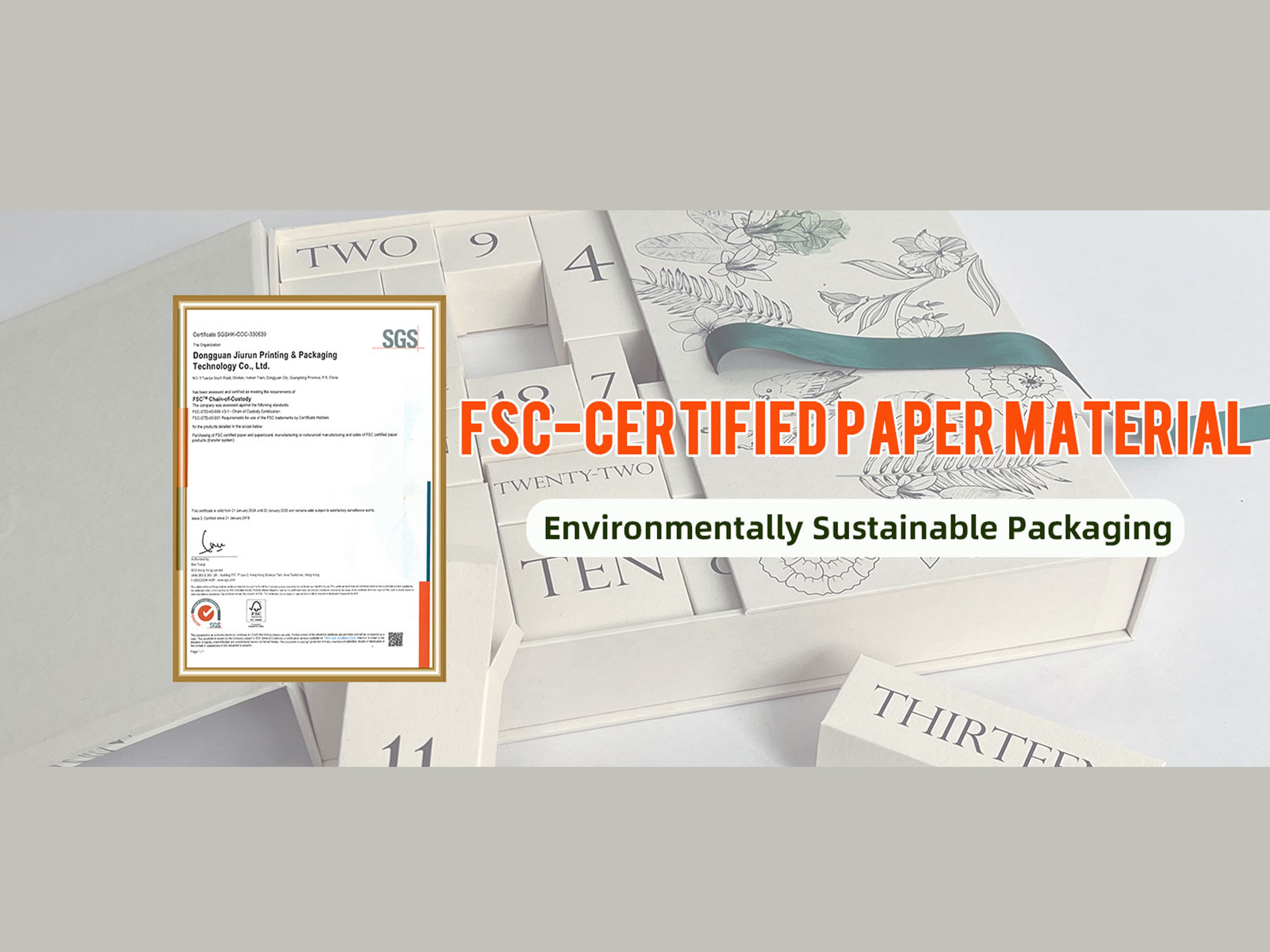
What FSC Certification Really Means for Sustainable Sourcing
Beyond the Acronym: Core Principles and Third-Party Verification
FSC (Forest Stewardship Council) certification is far more than a logo—it’s a rigorous, independently verified system for sustainable sourcing. At its heart lies traceability: ensuring raw materials originate from forests managed to protect biodiversity, not merely harvested for timber. Independent third-party auditors conduct on-site assessments to verify that forest managers prevent illegal logging, safeguard high conservation values, and maintain long-term ecosystem health. Manufacturers cannot claim responsible sourcing without proof—every step must be documented through a chain of custody. This verification is essential: illegal logging drains up to $15 billion annually from global economies (World Bank, 2023), distorting markets and undermining legitimate sustainability efforts. Surveillance audits ensure ongoing compliance, making FSC certification a dynamic, performance-based credential—not a one-time achievement.

The Three Pillars of Credibility: Environmental, Social, and Economic Responsibility
FSC’s credibility stems from its balanced integration of environmental, social, and economic responsibility—three interdependent pillars that define truly sustainable forestry. Environmentally, the standard mandates protection of water resources, soils, and intact ecosystems while banning hazardous pesticides. Socially, it requires meaningful consultation with local and Indigenous communities—including free, prior, and informed consent—before any harvesting begins, alongside enforceable standards for worker safety, fair wages, and gender equity. Economically, FSC ensures supply chains remain viable over time, creating lasting incentives for stewardship rather than short-term extraction. By embedding these principles across operations, brands move beyond green marketing rhetoric to deliver products with a verifiable, values-driven story—backed by an unbroken chain of custody audit trail.
FSC Label Types and Strategic Green Marketing Alignment
Decoding FSC 100%, Recycled, and Mix Labels—What Each Communicates to Consumers
The three primary FSC labels serve distinct storytelling functions for consumers. FSC 100% certifies that all virgin fiber comes exclusively from FSC-certified forests—ideal for premium products where ecological integrity and direct forest support are core brand values. FSC Recycled confirms the product is made entirely from post-consumer recycled material, signaling strong circular economy commitment and zero reliance on virgin fiber. FSC Mix combines certified, recycled, and controlled wood (sourced under strict criteria to exclude controversial sources), offering a pragmatic, scalable path to certification without compromising ethical thresholds. Together, these labels provide consumers with a clear, trustworthy shorthand for a product’s environmental impact—turning complex supply chain decisions into transparent, relatable claims.
Matching Label Choice to Brand Values and Target Audience Expectations
Selecting the right FSC label strengthens alignment between brand identity and audience expectations. A brand championing ecosystem preservation should lead with FSC 100%, reinforcing its direct contribution to well-managed forests. For those prioritizing waste reduction and circularity, FSC Recycled delivers the clearest narrative match. And when affordability, accessibility, and incremental progress matter most—especially in mass-market or B2B contexts—FSC Mix offers credible, scalable assurance that no uncertified wood from controversial sources enters the supply chain. With over half of global consumers recognizing the FSC logo (FSC), the label instantly signals trustworthiness. When matched intentionally to brand strategy, it transforms technical certification into a resonant, competitive marketing asset.
Chain of Custody: Operationalizing Trust in Your Supply Chain
An FSC chain of custody (CoC) is the auditable, documented pathway tracking certified forest material from forest to finished product—ensuring certified inputs never commingle with uncertified or controversial sources. Every entity in the supply chain—from sawmill to converter to distributor—must implement systems to segregate, identify, and record FSC-certified materials. This operational discipline turns sustainability commitments into verifiable practice, giving brands concrete evidence that their wood-based products actively support forest conservation.
This traceability fuels green marketing with authenticity. When a brand displays an FSC label, it leans on the integrity of the entire CoC—backed by annual audits and public certification records. As the 2023 Edelman Trust Barometer special report found, traceable supply chains increase consumer confidence by over 40%, turning ethical sourcing into a measurable competitive advantage. In B2B procurement, CoC certification is often non-negotiable: buyers pursuing LEED credits or corporate ESG targets require documented proof of responsible sourcing. Maintaining certified CoC doesn’t just protect reputation—it positions a brand as a low-risk, high-integrity partner, unlocking access to premium contracts and strengthening long-term loyalty in sustainability-driven markets.
FSC Certification as a Catalyst for Brand Credibility and Market Access
Countering Greenwashing with Verifiable, Audit-Ready Sustainability Claims
FSC certification replaces vague eco-claims with independently verified proof of sustainable sourcing. Unlike unsubstantiated “eco-friendly” messaging—increasingly flagged as greenwashing—the FSC framework demands rigorous, third-party chain-of-custody documentation at every stage, ensuring materials trace back to responsibly managed forests. With 81% of global consumers expecting companies to improve the environment (NielsenIQ, 2022), yet remaining skeptical of unsupported claims, the FSC label delivers the transparency they demand. Its annual audits, publicly accessible certification records, and strict chain-of-custody requirements transform environmental and social commitments from marketing slogans into operational realities—meeting both evolving regulatory expectations and consumer demand for accountability.
Competitive Differentiation and Consumer Trust in B2B Procurement Decisions
In B2B procurement, FSC certification serves as a powerful differentiator. Sustainability is now embedded in sourcing criteria: 40% of procurement leaders rank it among their top three selection factors (McKinsey, 2023). Products bearing the FSC logo signal a supplier’s demonstrable commitment to ethical forestry and environmental stewardship—directly supporting buyers’ ESG goals. This reduces due diligence burdens, as procurement teams can rely on internationally recognized standards instead of custom vetting. Brands that integrate FSC certification into their sourcing and marketing strategies gain preferential access to retail shelves, secure long-term contracts with sustainability-focused enterprises, and build deeper trust with business partners who view responsible sourcing as foundational—not optional.
FAQ: Understanding FSC Certification
What is FSC certification?
FSC certification is a globally recognized system verifying that wood-based products originate from responsibly managed forests, protecting biodiversity and ensuring sustainability.
What are the key benefits of FSC certification for businesses?
FSC certification enhances brand credibility, mitigates risks of illegal sourcing, and provides market access by meeting sustainability demands from consumers and businesses.
What do FSC labels mean?
FSC 100% indicates all material comes from certified forests, FSC Recycled uses 100% post-consumer recycled material, and FSC Mix combines certified, recycled, and controlled wood.
How does FSC certification support green marketing?
FSC labels provide independently verified proof of eco-friendly sourcing, enhancing transparency and trust in sustainability efforts for consumers and procurement leaders.
Why is chain-of-custody important in FSC certification?
Chain-of-custody ensures FSC-certified materials are traceable and segregated throughout the supply chain, verifying ethical sourcing and preventing contamination from uncertified sources.