EN
EN



Core Principles of Minimalist Packaging in 2027
Strategic Reduction: Intentional Simplification of Visual and Structural Elements
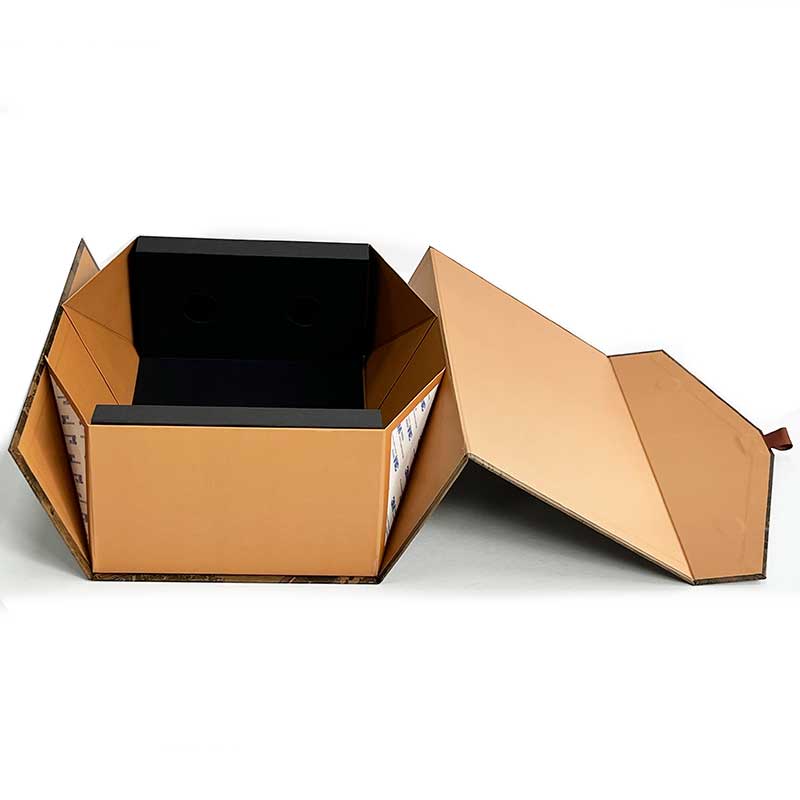
In 2027, minimalist packaging is defined by strategic reduction—removing anything that does not serve a clear functional or communicative purpose. This goes beyond visual simplicity to encompass structural efficiency: rigid inserts are eliminated, boxes fold flat without glue, and unnecessary layers or decorative flourishes are stripped away. What remains is intentional clarity—negative space guides attention to the product name and a single, confident brand mark. A clean surface reduces cognitive load, enabling consumers to process key information in under two seconds. The result is not austerity, but refinement: packaging that feels calm, transparent, and deeply aligned with the product’s value proposition.
Brand Amplification Through Restraint: How Minimalism Boosts Shelf Standout and Recall
In a saturated retail environment, minimalist packaging cuts through noise by removing visual competition. A restrained color palette, one carefully chosen typeface, and generous white space make the logo and core message impossible to ignore. Retail testing confirms uncluttered designs increase shelf visibility by over 30%, as the eye naturally prioritizes simplicity. Memory follows suit: a 2025 consumer survey found 68% of shoppers could accurately describe a minimalist package after brief exposure—nearly double the 39% recall rate for visually dense alternatives. By refusing to shout, brands signal confidence—and let the product speak for itself. This measured presence builds trust, strengthens recognition, and drives repeat purchase behavior.
Sustainability as a Driver of Minimalist Packaging Trends 2027
Material Efficiency and Circular Design: From Waste Reduction to Regenerative Systems
Sustainability is no longer a secondary benefit of minimalism—it’s the engine driving it. In 2027, material efficiency is foundational: brands reduce packaging weight by up to 30% through lightweighting and layer elimination, directly lowering resource use and transport emissions. Beyond waste reduction, circular design principles now embed regenerative systems into packaging lifecycles. Mono-material constructions simplify recycling, while post-consumer recycled content closes the loop. Leading manufacturers are shifting from single-use linear models to reusable and refillable formats—using compostable or water-soluble adhesives and snap-fit closures that enable clean material separation. These innovations transform post-consumer waste into valuable feedstock, turning packaging from an environmental liability into a regenerative asset. With the global sustainable packaging market projected to reach $423.56 billion by 2029 (Jasin 2025), this evolution reflects both regulatory urgency and strong consumer demand for eco-conscious action.
Consumer Perception and Premium Positioning
Generational Interpretations: Why Gen Z Values Authenticity While Boomers Question Value
Minimalist packaging resonates differently across generations—revealing a meaningful perceptual divide. For Gen Z, authenticity is non-negotiable. Unadorned, straightforward design signals honesty and resistance to marketing hype; 71% of consumers aged 18–25 associate minimalist packaging with genuine brand values, interpreting empty space and subdued palettes as commitments to transparency (Global Packaging Ethics Institute, 2026). Baby Boomers, however, often interpret restraint through a value-for-money lens: 43% of consumers over 60 mistakenly equate reduced material with lower quality or inadequate protection. Bridging this gap requires intentionality—not just minimalism, but premium minimalism. Subtle tactile cues, precise embossing, and a singular, potent brand mark can reassure older buyers that simplicity reflects curation, not compromise. When executed with narrative clarity, this approach transforms skepticism into cross-generational loyalty.
Transparency as Trust Signal: Uncluttered Packaging and Brand Credibility
Uncluttered packaging functions as a nonverbal contract—elevating credibility at first glance. As consumer skepticism toward greenwashing peaks, minimalist design forces radical clarity: certifications, sourcing details, and full ingredient lists appear openly, without fine print or visual distraction. A 2025 Label Insight Study found 74% of shoppers are more likely to trust a product whose packaging uses clean, spacious layout to communicate ethically. This transparency turns the shelf into a moment of informed consent—where rapid scanning confirms alignment with personal values. Premium brands lean into this by letting provenance and product speak unfiltered. A skincare box, for example, might dedicate 60% of its surface to a bold origin statement and the rest to a tactile, recyclable substrate—implicitly promising purity. That silent assurance reduces cognitive load and fosters immediate emotional resonance, transforming each purchase into a small act of trusted partnership.
Beyond Aesthetics: Sensory and Experiential Innovation in Minimalist Packaging
Tactile Precision, Sound Design, and Ritualized Unboxing as Value-Adding Layers
Minimalist packaging in 2027 transcends visual restraint to deliver layered sensory experiences. Tactile precision—soft-touch matte finishes, subtle embossing, or uncoated paper that evokes natural texture—conveys quality without visual clutter. Sound design adds dimension: the crisp snap of a magnetic closure, the satisfying rip of tear tape, or the quiet rustle of recycled tissue signals craftsmanship and care. Ritualized unboxing deepens engagement—layered compartments, hidden messages, and thoughtful sequencing reward discovery and extend brand interaction beyond the shelf. Research from the Packaging Consortium (2026) shows 68% of consumers recall tactile packaging experiences more vividly than purely visual ones. This experiential minimalism builds emotional connection, proving that in an oversaturated market, what you feel and hear matters as much as what you see—turning restraint into resonance.
FAQs
What is minimalist packaging?
Minimalist packaging focuses on intentional simplicity by removing unnecessary elements while preserving clarity, functionality, and alignment with brand values.
How does minimalist packaging improve shelf visibility?
Strategic restraint in design, such as limited colors and ample white space, makes key branding elements stand out and boosts recall among consumers.
Why is sustainability a crucial part of minimalist packaging?
Sustainability drives minimalist design through material reduction, circular systems, and recyclable formats, turning packaging into a regenerative asset.
Does minimalist packaging appeal to all generations equally?
No, Gen Z values authenticity and transparency in minimalist designs, while some Baby Boomers may perceive minimalism as a reduction in quality without careful execution.
What sensory elements enhance minimalist packaging?
Tactile finishes, sound design, and engaging unboxing experiences add layers to minimalist packaging, boosting emotional connection and product recall.