EN
EN



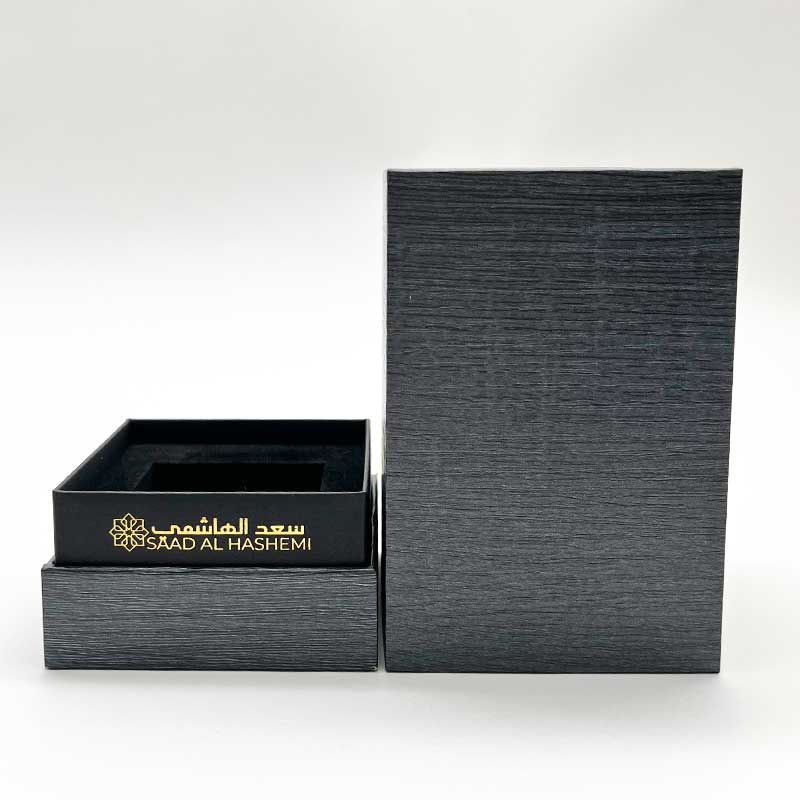
The Neuroscience of Textured Paper: Why Tactile Cues Elevate Luxury Perception
Touch is the first sense to develop and the most emotionally immediate. In luxury sensory marketing, physical interaction with textured paper does more than signal quality—it activates neural reward pathways that reshape perceived value and forge durable brand memories.
Somatosensory activation and dopamine release in response to premium paper textures
When fingertips glide over fine paper, specialized mechanoreceptors map surface micro-geometry at the micron scale. These signals travel rapidly to the somatosensory cortex and integrate with emotional and reward centers—including the ventral striatum, a core hub of the brain’s dopamine system. Functional neuroimaging confirms that haptic engagement with premium surfaces triggers measurable dopamine release. A 2020 neuroaesthetics experiment found participants handling tactilely rich packaging showed 27% greater activation in orbitofrontal regions linked to expected value—compared to smooth, low-texture controls. This biological response directly elevates subjective worth: the brain interprets linen-weave finishes or soft-touch coatings as quality signals, increasing purchase intent without verbal persuasion. In luxury contexts, even subtle increases in micro-roughness (2–5 µm Ra) boost perceived expensiveness by up to 15%, independent of visual cues—demonstrating how dopamine-mediated valuation transforms a simple sheet into an indulgent experience.
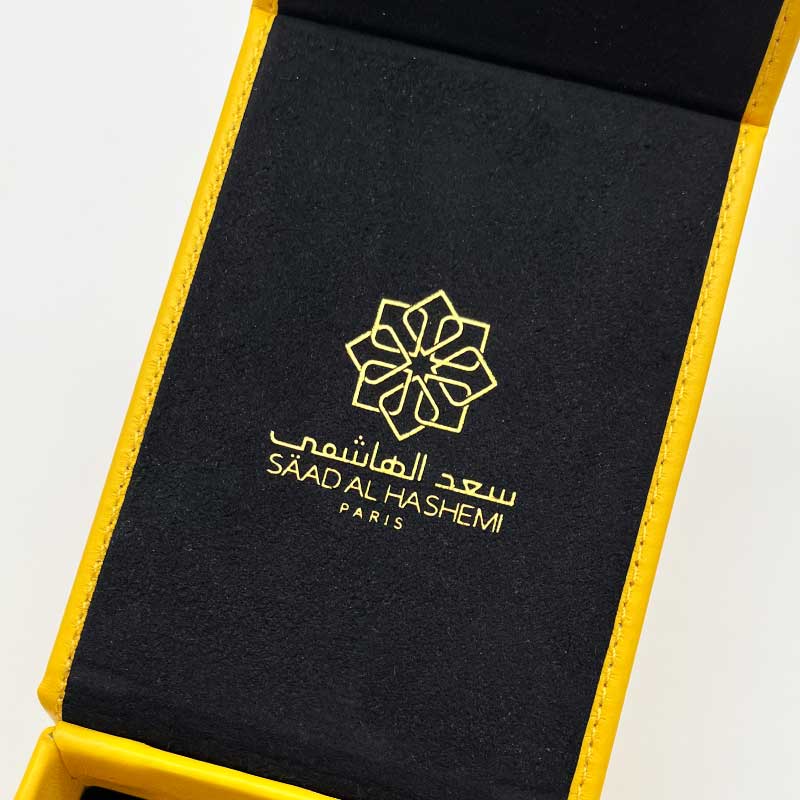
Hedonic touch theory in action: Velvet, linen, and embossed finishes as memory anchors
Hedonic touch theory identifies slow, gentle stroking (1–10 cm/s) as optimal for activating unmyelinated C-tactile afferents—nerve fibers dedicated to pleasurable, socially resonant touch. Applied to luxury stationery, this mechanism converts fleeting contact into emotional memory. Velvet-soft coatings—warm, low-friction, and skin-like—evoke the comfort of human touch, forging subconscious bonds between holder and brand. Embossed and debossed motifs deepen this effect: their raised geometry invites exploratory tracing, turning each contour into a micro-stimulus that reinforces craftsmanship narratives. In a 2021 study, consumers who received a luxury mailer with pronounced linen grain were 32% more likely to recall the sender’s name one week later than those given glossy alternatives. The textile-inspired finish functioned as a sensory bookmark—linking brand identity to the emotional resonance of well-worn fabric. By selecting finishes that evoke velvet, linen, or deep embossing, brands implant tactile memories that persist long after the paper is set aside—making texture a high-impact tool for lasting brand salience.
Textured Paper as Strategic Brand Language in Luxury Packaging and Stationery
From grain to gesture: How texture signals craftsmanship, heritage, and authenticity
In luxury packaging, texture operates as silent but potent brand language. The grain of laid paper or the tooth of a handcrafted sheet conveys artisanal care before a single word is read—evoking heritage, authenticity, and intentionality. This sensory cue transforms passive viewing into active engagement: fingertips trace the ridge-and-valley topography of an embossed logo, creating a tactile feedback loop that binds sensation to perceived quality. Consumer psychology research confirms haptic stimuli can elevate perceived value by up to 25% (2023), explaining why leading luxury brands invest in custom paper textures. The act of touching becomes a memory anchor—a personal, irreplaceable moment no digital interface can replicate. Choosing paper that feels substantial, warm, and deliberately imperfect allows a brand to whisper narratives of slow craftsmanship, time-honored technique, and material integrity—turning packaging into a tactile ambassador of its core identity.
Mulberry case study: Debossed cotton-fiber paper reinforcing material storytelling
A leading British luxury leather goods brand used debossed cotton-fiber paper for seasonal packaging—its natural fiber content and pronounced grain intentionally mirroring full-grain leather. This deliberate alignment created an immediate sensory bridge between box and product, reinforcing the brand’s narrative of authentic craftsmanship and material provenance. The unboxing experience became multisensory: the subtle give of rich paper under pressure, the visual depth of embossed grain, and the faint scent of natural fibers. By embedding the brand’s signature material cue directly into the paper, packaging evolved from disposable wrapper to tactile extension of the luxury item. The result was deeper emotional resonance and a measurable rise in social media unboxing shares—proving that strategic texture choices can amplify brand storytelling and drive organic consumer advocacy.
Measuring the Premium Effect: Texture Parameters That Shape Luxury Touch Experience
Smoothness, softness, and micro-roughness—how ISO 12947 metrics align with consumer premium perception
The luxury touch experience is not subjective guesswork—it’s quantifiable. Objective surface parameters like smoothness, softness, and micro-roughness directly shape consumer perceptions of quality and value. Standardized tests such as ISO 12947 (abrasion resistance) allow brands to correlate tactile performance with real-world durability: abrasion cycle counts predict how long a paper retains its velvety feel after repeated handling—a critical factor in high-touch luxury packaging. Research shows 72% of consumers associate consistently smooth, low-friction surfaces with higher product value (Swiftpak, 2023), while controlled micro-roughness (Ra 0.5–2.0 µm) evokes authenticity without sacrificing softness. These metrics translate directly to behavior: a 2023 study found luxury shoppers willing to pay 18% more for items packaged in exceptionally soft materials. By mapping consumer perception onto ISO-defined texture scores, brands engineer papers whose tactile signatures reinforce prestige. Critically, the brain’s insular cortex processes smoothness as a reward cue—linking objective measurements directly to emotional value.
Aligning Textured Paper Choices with Brand Values in Sensory Marketing
Every textured paper surface functions as a tactile signature—and must resonate with a brand’s core identity. Luxury brands often select velvety soft or deeply embossed finishes to evoke exclusivity and refined craftsmanship; sustainability-focused brands choose uncoated, recycled textures that telegraph eco-conscious authenticity. This alignment transforms touch into strategic narrative: consumers instantly connect a paper’s grain or hand-feel to the brand’s heritage and promise. Consistency across physical touchpoints—from packaging to corporate stationery—cements that association, turning tactile cues into reliable memory anchors. Studies reveal shoppers spend up to four seconds longer handling textured materials, lifting brand recall by approximately 70%. More importantly, a thoughtful match between paper and brand values deepens emotional engagement—the physical sensation of handling a considered surface fosters trust, ownership, and resonance. Effective sensory marketing treats textured paper not as decoration, but as a coherent, measurable element of brand storytelling—one that turns a simple touch into a defining luxury experience.
FAQs
Why does textured paper elicit a luxury perception?
Textured paper activates specific neural reward pathways, including dopamine release, that shape emotional responses and add perceived value. Texture serves as a cue for quality and craftsmanship.
What types of textures work best for luxury branding?
Velvet-soft finishes, linen grains, and embossed patterns are ideal for creating emotional memories and reinforcing craftsmanship narratives.
How can brands measure consumer responses to textured packaging?
Brands can leverage standardized metrics like ISO 12947 to measure softness, smoothness, and other tactile qualities that align with consumer premium perceptions.
What role does touch play in sensory marketing?
Touch enhances brand storytelling by forging subconscious connections and emotional memory anchors, amplifying brand recall and engagement.
Can textured paper choices align with sustainability goals?
Yes, sustainability-focused brands often opt for uncoated, recycled textures that evoke authenticity and eco-conscious values.
Table of Contents
- The Neuroscience of Textured Paper: Why Tactile Cues Elevate Luxury Perception
- Textured Paper as Strategic Brand Language in Luxury Packaging and Stationery
- Measuring the Premium Effect: Texture Parameters That Shape Luxury Touch Experience
- Aligning Textured Paper Choices with Brand Values in Sensory Marketing
- FAQs