EN
EN



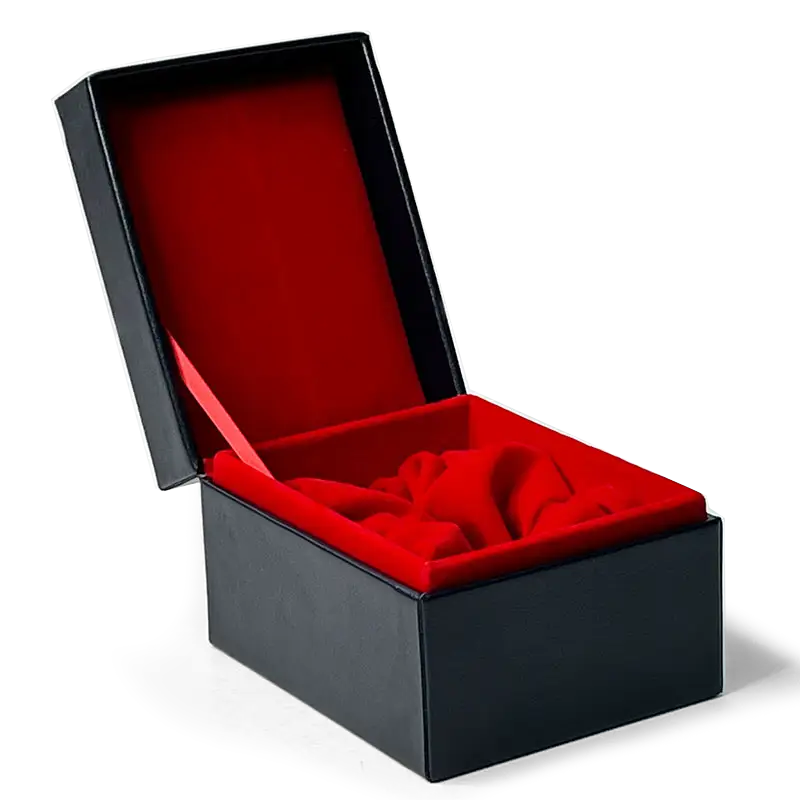
Pre-Olfactory Priming: How Perfume Packaging Shapes Scent Expectations
Visual cues in custom perfume boxes activate olfactory anticipation before inhalation
Before the first molecule of scent reaches the nose, the brain has already begun constructing an olfactory experience. Custom perfume boxes serve as the first touchpoint in perfume packaging consumer psychology, triggering scent perception through visual inputs alone. Color gradients, typography weight, and imagery on the box surface prime the observer: a deep burgundy and gold foil scheme cues warm, spicy notes, while frosted translucent windows suggest watery, light florals. This pre-olfactory priming draws on both learned associations and innate cross-modal correspondences—shared sensory metaphors that link visual features to olfactory expectations. Industry surveys indicate that 70% of perfume buyers state packaging design directly influenced their purchase, confirming that visual expectation can override objective scent evaluation. When the box communicates “fresh and clean” through crisp lines and cool blues, consumers are neurologically prepared to perceive exactly those qualities—even before the cap is lifted. Thus, the box does more than protect the bottle—it orchestrates the entire scent anticipation narrative.
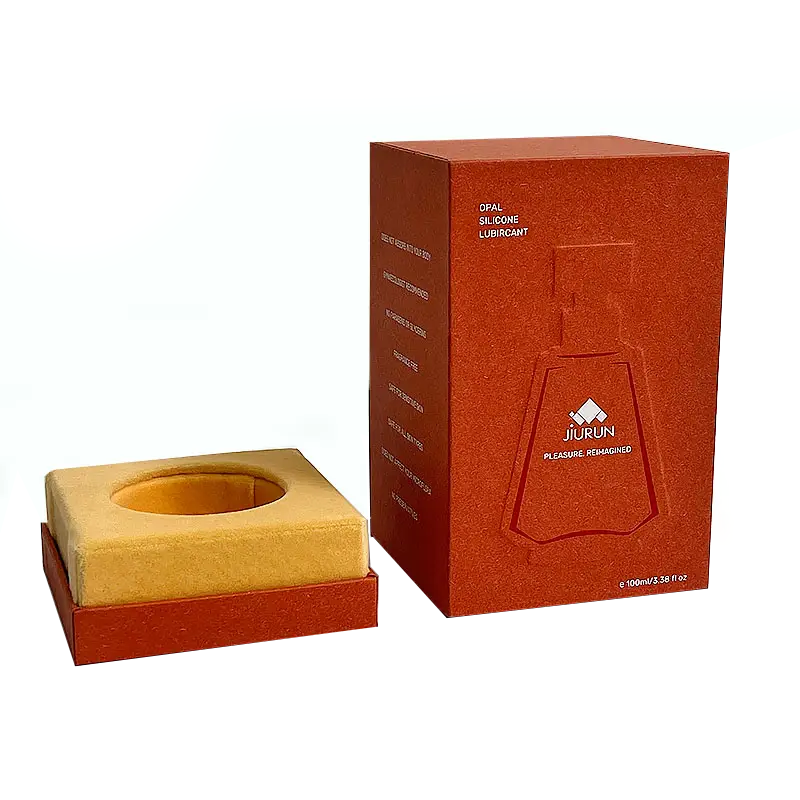
fMRI evidence linking packaging design to early olfactory cortex engagement
Neural imaging studies confirm that visual packaging cues engage the olfactory system before any scent is encountered. In a 2021 fMRI experiment, participants viewed images of luxury fragrance boxes without accompanying odor—and yet showed robust activation in the piriform and orbitofrontal cortices, core regions of olfactory processing. Activation intensity correlated with design complexity: ornate, textured packaging elicited up to 35% greater metabolic response than plain boxes. Crucially, this neural pattern mirrored activity seen during actual inhalation, indicating genuine olfactory anticipation—not just visual attention. When participants later smelled the same fragrance from a visually appealing box, their hedonic ratings were significantly higher than in blind olfactory tests. This demonstrates that perfume packaging doesn’t just shape expectation—it modulates perceived pleasantness, making every design element a functional contributor to the final sensory signature.
Multisensory Semantic Cues: Color, Texture, and Form in Perfume Packaging Consumer Psychology
Cross-cultural color-odor associations (e.g., gold = warmth, teal = freshness) and their impact on perceived scent profile
Color serves as a universal semantic cue in fragrance packaging. A 2024 consumer perception study found that over 70% of participants linked gold-toned boxes to warm, spicy oriental accords, while teal finishes consistently triggered expectations of fresh aquatic or citrus notes. These associations hold across cultural boundaries—likely rooted in shared sensory metaphors: gold evokes opulence and heat; teal suggests cool water or minty crispness. When packaging aligns with the fragrance’s actual character, perceived authenticity rises; mismatching creates dissonance. In one cross-cultural experiment, the same floral fragrance was rated 22% fresher in a teal box than in a gold one—proof that color alone shifts scent perception. Designers now strategically embed warm metallic hues for oriental lines and pale blues or greens for lighter, airy scents, shaping olfactory expectation before a single molecule reaches the nose.
Tactile and auditory feedback—how box weight, opening sound, and finish influence perceived intensity and luxury
Touch and sound silently calibrate consumer expectations of quality and intensity. Heavier rigid boxes consistently signal prestige: an industry survey found 82% of consumers equate substantial weight with higher quality and stronger sillage. A 2025 multisensory study demonstrated that unboxing complexity—such as a slide-and-tilt drawer or magnetic flip-top—increased emotional engagement and raised perceived fragrance intensity by nearly 18%. The auditory signature of a satisfying magnetic snap or the soft rustle of tissue paper transforms a functional act into a ritual, instantly elevating perceived luxury. Matte, soft-touch finishes reinforce premium perception by suppressing glare and inviting tactile exploration; glossy surfaces risk feeling cheaper unless flawlessly executed. When weight, closure sound, and surface texture work in concert, they build a cohesive sensory narrative—one that amplifies the fragrance’s perceived richness and strengthens consumer confidence in the product.
Sensory Alignment: Building Trust Through Consistent Scent and Packaging Design
Sensory alignment between packaging design and scent identity is critical for building consumer trust. When visual and tactile cues match the fragrance’s character, they reduce cognitive dissonance and enhance perceived authenticity.
Case Study: Minimalist Matte Boxes Reinforcing Clean, Unisex Scent Identity — 32% Higher Perceived Authenticity (Euromonitor, 2023)
A leading fragrance brand known for its minimalist aesthetic exemplifies this principle. Its custom perfume boxes feature matte finishes, muted colors, and clean typography—deliberately aligned with its clean, unisex scent profiles. The brand avoids loud patterns and shiny coatings, opting instead for subtly textured paper that echoes the restraint of its compositions. This consistency eliminates competing sensory signals, allowing the brain to anticipate a fresh, understated fragrance. The tactile softness of the matte box and absence of glossy embellishments prime the user for subtlety and neutrality. According to Euromonitor (2023), this deliberate alignment resulted in a 32% higher perceived authenticity among consumers compared to incongruent designs. Such integration ensures packaging silently reinforces the intended olfactory message before the first spray—reducing uncertainty and enhancing confidence in the product’s quality. It illustrates how perfume packaging, consumer psychology, and scent perception converge to create a trustworthy brand experience.
Emotional Resonance and Memory Encoding: Unboxing Rituals and Symbolic Design in Scent Perception
The unboxing ritual is a pivotal moment where emotional resonance and memory encoding directly shape scent perception. The deliberate sequence of sensory cues—a muffled lid settling into place, the silky rustle of tissue paper, the cool weight of a glass bottle—activates the limbic system, the brain’s center for emotion and long-term memory. Neuroscience confirms that multisensory experiences form deeper cognitive traces than isolated visuals, making unboxing far more than a functional step. Symbolic design elements—like a velvet-lined interior or a scented insert that mirrors the fragrance—transform the ritual into a memory anchor. By slowing time and heightening anticipation, each tactile and auditory detail reinforces perceived authenticity. When packaging aligns with the fragrance’s narrative, it creates a durable emotional bond, ensuring the brand’s identity lingers long after the product is revealed.
FAQ
Why does perfume packaging influence scent expectations?
Perfume packaging uses visual cues such as color, texture, and typography to prime consumers’ brains for specific scent profiles, shaping their olfactory experience even before the fragrance is smelled.
How does packaging engage the olfactory system before actual inhalation?
Neural imaging studies reveal that visual packaging cues activate key olfactory brain regions responsible for scent anticipation, demonstrating that consumers’ brains begin to process the fragrance through sight alone.
Can mismatched packaging design impact the perception of a fragrance?
Yes, mismatched design can create cognitive dissonance, where visual cues don’t align with the fragrance’s character, reducing perceived authenticity and potentially affecting consumer trust.
What sensory elements enhance packaging perception?
Elements like box weight, opening mechanisms, texture, and sound contribute to perceived luxury and intensity, transforming a functional act into an emotionally engaging unboxing ritual.
How does symbolic design influence memory encoding?
Symbolic design elements, like velvet interiors and scented inserts, create deeper emotional resonance, anchoring the sensory experience as a long-lasting memory about the brand and product.
Table of Contents
- Pre-Olfactory Priming: How Perfume Packaging Shapes Scent Expectations
- Multisensory Semantic Cues: Color, Texture, and Form in Perfume Packaging Consumer Psychology
- Sensory Alignment: Building Trust Through Consistent Scent and Packaging Design
- Emotional Resonance and Memory Encoding: Unboxing Rituals and Symbolic Design in Scent Perception
-
FAQ
- Why does perfume packaging influence scent expectations?
- How does packaging engage the olfactory system before actual inhalation?
- Can mismatched packaging design impact the perception of a fragrance?
- What sensory elements enhance packaging perception?
- How does symbolic design influence memory encoding?