EN
EN



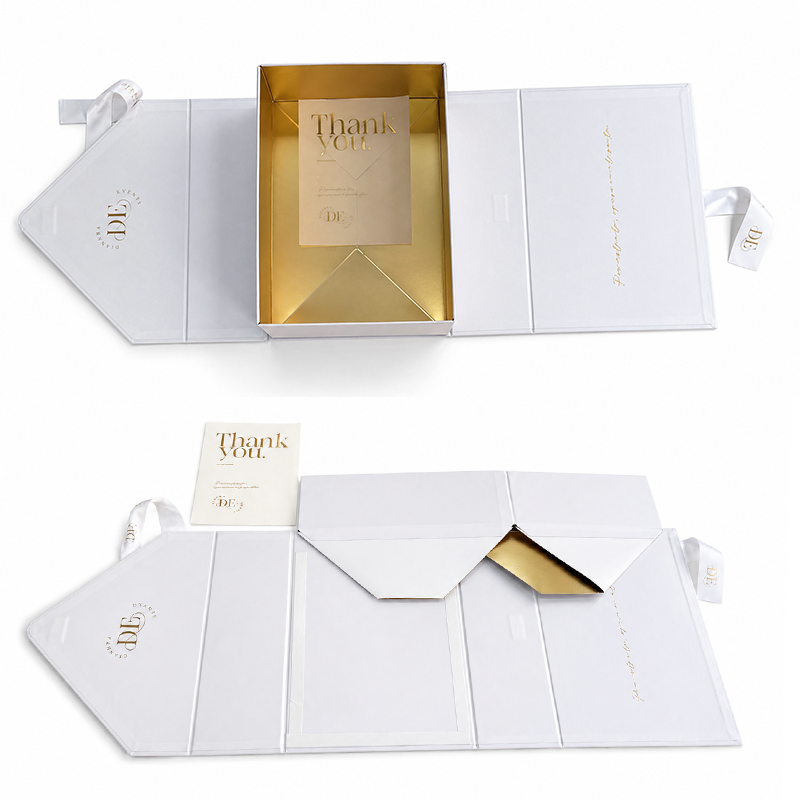
Why Minimalist Packaging Demands Precision in Finish Selection
Minimalist packaging strips design down to essentials — clean layouts, restrained color palettes, and precise typography — but this very simplicity magnifies every production choice. With fewer decorative distractions, the remaining accents — a single glossy logo, a subtle tactile motif — carry the entire brand message. Even minute registration errors, such as a 0.5 mm misalignment between a Spot UV gloss patch and the printed graphic underneath, or inconsistent embossing depth, become immediately noticeable and undermine perceived quality. In high-end B2B markets, where trust is built on flawless execution, a shoddy finish signals carelessness — not luxury. The Spot UV Embossing Minimalist Packaging Finish approach must therefore prioritize exacting tolerances: UV varnish must cure without bleed, and embossing dies must match stock caliper precisely to avoid crushing delicate fibers. Unlike maximalist designs that can mask imperfections, minimalist packaging leaves nowhere to hide — making precision not just a preference, but an absolute requirement for preserving brand integrity.
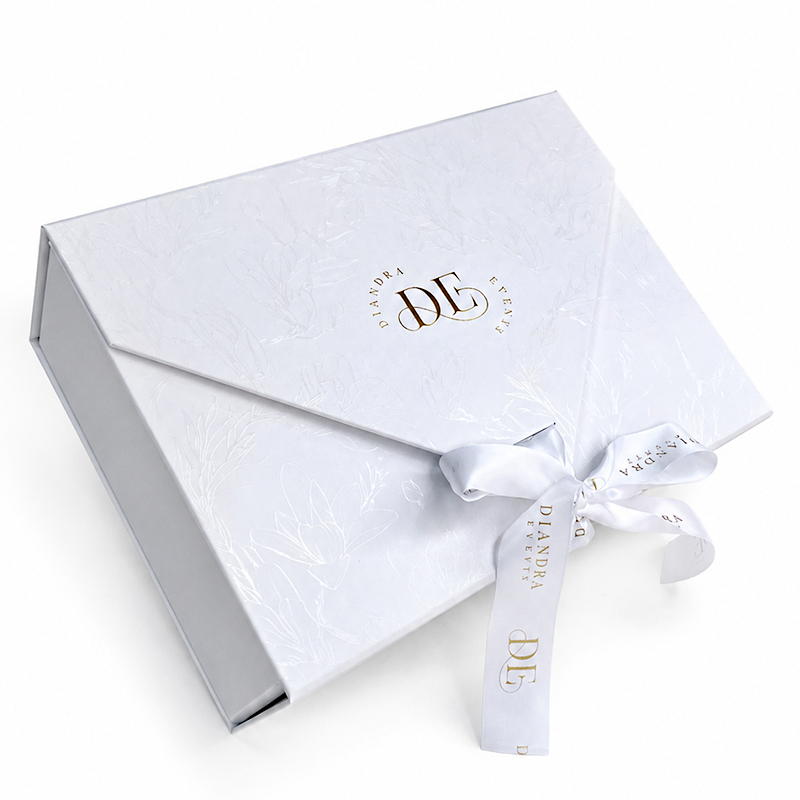
Spot UV vs. Embossing: Key Functional and Sensory Differences
Spot UV: Controlled Gloss, Visual Contrast, and Print Compatibility
Spot UV is a UV-curable gloss varnish applied selectively to designated areas. It creates a reflective, high-contrast layer against matte or uncoated substrates — visually elevating logos, typography, or geometric motifs. On labels, multiple passes enable Raised Spot UV, adding subtle three-dimensional tactility without physically deforming the paper. On rigid packaging like boxes, the coating remains thin and primarily visual, enhancing luster without altering surface texture. Its precision aligns perfectly with fine artwork, layers cleanly over standard inks, and maintains sharp edge definition. Pairing spot UV with matte substrates maximizes contrast, making design elements appear to float. Because no tooling or dies are required, setup costs are lower and lead times shorter than embossing. The finish also photographs exceptionally well under controlled lighting — critical for social media and e-commerce visuals. Spot UV is ideal for brands prioritizing crisp, modern shine and consistent print fidelity.
Embossing (Including Spot UV Embossing): Tactile Depth, Material Constraints, and Luxury Signaling
Embossing physically raises the substrate between male and female dies, creating permanent, sculptural relief. The resulting tactile dimension is unmistakable — fingers trace contours, reinforcing quality through touch. Unlike spot UV, embossing adds no coating; the material itself becomes the feature. This makes it uniquely suited to minimalist packaging where sensory cues signal premium positioning. However, embossing demands sufficient stock thickness and rigidity: thin papers risk puncture or show reverse impressions on the back. Thicker boards (18pt and above) minimize these risks but increase cost. Blind embossing delivers tone-on-tone subtlety; registered embossing pairs raised relief with printed detail for greater prominence. The technique carries strong heritage connotations — evoking craftsmanship, permanence, and intentionality. For a Spot UV Embossing Minimalist Packaging Finish, embossing provides classic, understated luxury that whispers rather than shouts. Custom die creation extends lead times and raises minimum order quantities, but the result is a durable, premium identity that withstands handling and retains its impact over time. End users consistently associate this tactile quality with higher perceived value.
Strategic Alignment: Matching Finish Type to Brand Personality
Modern & Digital-Forward Brands Favor Spot UV for Clarity and Scalability
Digital-first brands thrive on reproducible visual precision — making spot UV the natural accent choice. It lays a transparent, glossy layer onto carefully defined elements: logos, sans-serif typography, or geometric patterns. Against a matte background, the high-gloss contrast delivers crisp, high-resolution emphasis without added bulk — reinforcing a modern, tech-savvy identity. Because spot UV requires no custom tooling, plates can be reused indefinitely, keeping unit costs low across large or variable production runs. This scalability supports direct-to-consumer launches and limited-edition campaigns. Crucially, spot UV integrates seamlessly with variable data printing — enabling dynamic personalization while maintaining strict brand alignment across digital and physical touchpoints.
Heritage or Craft-Focused Brands Leverage Embossing for Authenticity and Weight
Brands rooted in tradition or artisanal practice rely on tactile depth to convey authenticity. Embossing physically raises the paper, creating a relief that invites interaction and communicates substance — a quality absent from purely visual treatments. While it imposes material constraints — thicker, uncoated stocks perform best, and fine details may soften depending on fiber direction — expert execution transforms even a subtle blind-embossed mark into a luxury signature. That hand-finished feel aligns with heritage narratives more effectively than gloss alone. Though spot UV can mimic contrast, embossing’s true three-dimensionality evokes heirloom-grade polish. Spirits, premium confectionery, and legacy cosmetics brands consistently choose embossing to reinforce gravitas, longevity, and craft — qualities consumers associate with enduring value.
Best Practices for Executing Spot UV Embossing Minimalist Packaging Finish
The 8% Coverage Rule: Maximizing Impact Without Visual Clutter
A disciplined approach to coverage preserves the refined aesthetic of a Spot UV Embossing Minimalist Packaging Finish. The 8% rule recommends limiting spot-UV-treated or embossed accents to less than 8% of the total surface area. Exceeding this threshold risks turning intentional emphasis into visual noise — undermining the restraint central to minimalist design. By concentrating the finish on one focal element — a logo, small geometric motif, or select typographic line — brands create sharp visual hierarchy while preserving generous negative space. This selective presence heightens perceived value and ensures the highlight — whether glossy, raised, or blind-debossed — reads as deliberate and premium, not busy.
Material Pairing Tips: Matte Papers, Recycled Stocks, and Foil-Ready Substrates
Pairing the right substrate with spot UV embossing is essential for clean execution and meaningful tactile contrast.
- Matte papers: Deliver the strongest visual contrast — uncoated or silk-matte sheets allow spot UV to pop dramatically. Soft-touch matte finishes further widen the sensory gap, offering a velvety backdrop that enhances both gloss and relief.
- Recycled stocks: Fibre variation can cause uneven UV adhesion or embossing inconsistencies. Always request a press-side test to confirm even curing and die compatibility — especially for textured or high-fibre recycled boards.
- Foil-ready substrates: Choose smooth, dense boards to ensure hot-stamped foil remains flat beneath spot UV embossing. This prevents micro-cracks and preserves a seamless, luxury-grade surface — critical when combining foil, gloss, and relief in one finish.
FAQ
Why is precision so important in minimalist packaging?
Minimalist packaging magnifies every detail since it lacks distractions. Any error, even a minute one, can be immediately noticeable, compromising the perceived quality and brand integrity.
What is the main difference between Spot UV and embossing?
Spot UV focuses on creating reflective and high-contrast visual effects without changing the texture of the packaging, while embossing creates a raised, tactile surface by physically altering the material.
What type of brands should use Spot UV?
Modern and digital-forward brands benefit most from Spot UV as it provides visual precision, scalability, and a modern aesthetic without adding bulk.
Why might heritage or craft-focused brands prefer embossing?
Embossing signals authenticity, craftsmanship, and luxury. It adds tactile depth and communicates an artisanal quality that aligns with heritage brands.
What is the 8% coverage rule?
The 8% rule advises limiting embossed or spot-UV-treated areas to less than 8% of the total surface area to maintain a minimalist and premium look.