EN
EN


The Collector Psychology Behind Book-Style Rigid Boxes
How structural rigidity and book-like closure signal scarcity, ownership pride, and emotional investment
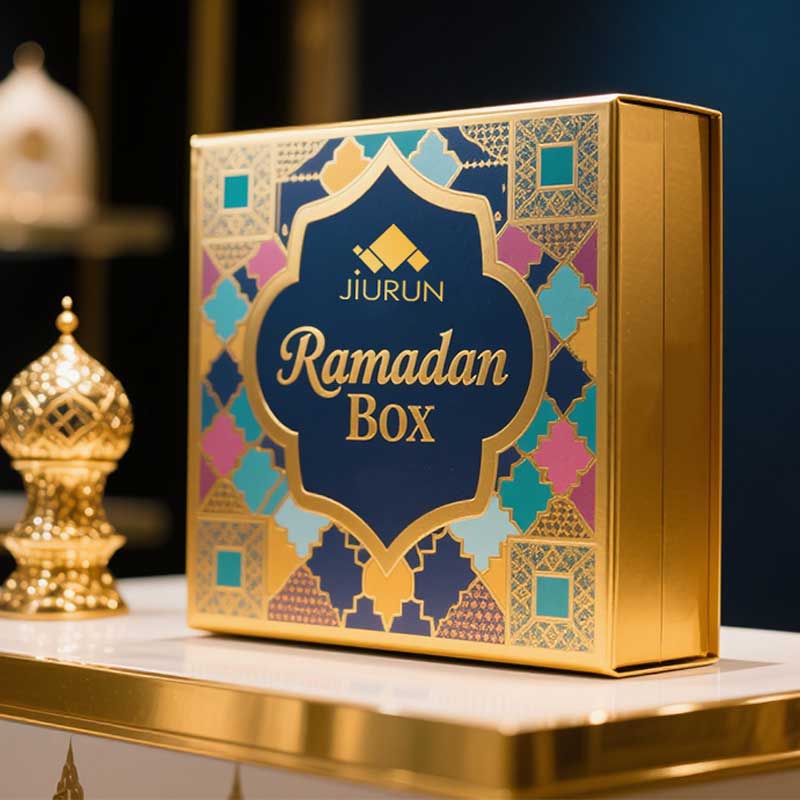
A book-style rigid box does more than hold an object—it rewires expectation. The thick board, weighted lid, and slow arc of a magnet-sealed closure replicate the ceremony of opening a cherished first edition. That deliberate resistance signals to the brain that the contents are rare and consequential. Research shows heavier, stiffer packaging raises perceived product value by an average of 22% (Consumer Perception Lab, 2023). Framing a collectible inside a hardbound shell activates the scarcity heuristic—a cognitive shortcut that equates limited tactile access with limited availability. The owner doesn’t merely receive an item; they earn entry into a private narrative. This sense of privilege deepens emotional investment, forging what behavioral economists call the endowment effect: people ascribe more worth to things they already possess. The subtle thunk of closure completes a psychological loop of control, permanence, and identity. For collectors, the case itself becomes a trophy—signifying not just the object’s rarity but the curatorial acumen of the one who holds it.
Neuroaesthetic insights: Tactile engagement boosts memory encoding and long-term brand valuation
Touch is the gateway to memory. Neuroimaging studies reveal that when fingertips encounter varied textures—soft-touch laminate, debossed grain, or a cold metal latch—the somatosensory cortex and hippocampus fire in tandem, embedding the moment into episodic memory (Journal of Consumer Neuroscience, 2022). This tactile-emotional encoding makes the unboxing experience far stickier than visual or auditory stimuli alone. In one controlled trial, participants recalled tactile-rich packaging details up to 40% more accurately after seven days compared to smooth, standard boxes. For luxury brands, that heightened recall translates directly into long-term valuation: multisensory encounters lift brand-loyalty scores by roughly 18% (Neuromarketing Yearbook, 2023). A book-style rigid box—with its layered interior and textured surfaces—becomes a mnemonic anchor. Every time a collector runs a hand across the cover, the brain retrieves the story of possession, reinforcing the brand’s mythos. By designing for the fingertips, brands convert a single purchase into a durable emotional asset—one collectors will defend, display, and return to for decades.
Luxury Branding via Structural Storytelling in Book-Style Rigid Boxes
Narrative packaging design: Sequential reveals, chaptered interiors, and pacing that mirror premium brand storytelling
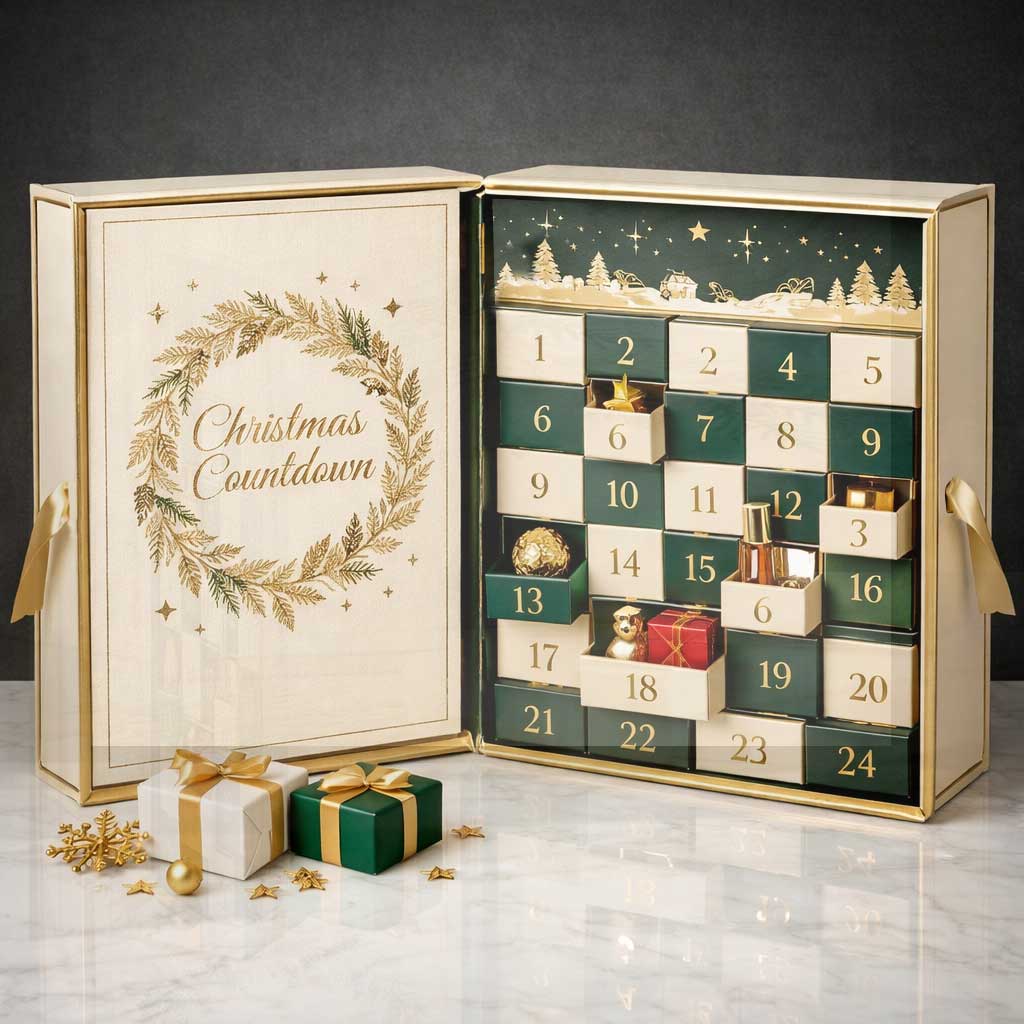
Luxury rigid box packaging functions as a narrative canvas, with book-style constructions unfolding the brand’s story in deliberate sequence. Opening a rigid box with a spine-like hinge mimics turning a page, creating a paced reveal that builds anticipation. Chaptered interiors—layered trays, hidden compartments, and pull-out drawers—guide the consumer through a curated journey, much like chapters in a premium brand’s heritage tale. Structural storytelling harnesses suspense and discovery: a magnetic flap reveals a personal note, then a velvet-lined tray unveils the collectible, mirroring literary pacing. This sequential exposure deepens emotional investment and reinforces perceived exclusivity. By choreographing the unboxing as a narrative arc, book-style rigid boxes elevate the product from object to artifact—transforming mere containment into a memorable brand ritual. For luxury branding, these tactile story arcs become a signature of craftsmanship, communicating heritage without words and turning recipients into loyal advocates who recall the unboxing long after display.
Innovative formats—geometric silhouettes, two-piece constructions, and kinetic openings—that reinforce brand mythos and exclusivity
Beyond traditional rectilinear shapes, innovative rigid box formats—geometric silhouettes like hexagons or trapezoids, two-piece constructions with separate lid and base, and kinetic openings such as sliding drawers or pop-up reveals—imbue packaging with architectural surprise. These structural departures signal exclusivity by defying expectations; a hexagonal book-style box immediately suggests a limited-edition collectible. Kinetic mechanisms—where the product rises or a panel pivots upon opening—create dynamic unboxing that mirrors the innovation of the brand itself. Two-piece telescoping boxes, often with magnetic alignment, offer a satisfying slow reveal that underscores craftsmanship. Such formats transform the rigid box from vessel to statement, reinforcing brand mythos and justifying premium pricing. A 2024 industry analysis notes that custom designs and unique finishes are key differentiators in a crowded luxury market, with rigid boxes enabling brands to create memorable, shareable experiences. For luxury branding, these innovative formats become a tactile signature—encoding exclusivity into every edge and motion—and deepening the emotional connection that turns a one-time purchase into a lasting brand relationship.
Premium Materials and Sensory Design as Collectors Edition Packaging Drivers
Embossing, soft-touch laminates, and material contrast: Engineering tactile luxury to justify premium positioning
Embossing transforms a flat surface into a dimensional canvas, inviting touch and silently signaling that the contents are worth collecting. Soft-touch laminates coat the exterior with a velvety, skin-like finish that triggers emotional warmth associated with exclusivity. Contrasting materials—matte board against glossy foil, or textured paper beside smooth inner liners—create a choreographed sensory journey that holds attention and extends the unboxing moment. These choices move packaging from disposable wrapper to tactile artifact, directly reinforcing luxury branding and collectors’ edition positioning. The multisensory impact raises perceived value, giving brands permission to command premium pricing while deepening the owner’s psychological bond with the product. By engineering every touchpoint, book-style rigid boxes become investment pieces in their own right.
Custom Interior Architecture for Collectible Integrity and Unboxing Theater
Beyond the tactile cover, book-style rigid boxes transform into curated stages where the collector’s journey continues. Precision-cut inserts cradle delicate editions in molded pulp or velvet-lined recesses—eliminating shift during transit and mirroring museum-grade preservation. The interior architecture choreographs a deliberate reveal: a magnetic flap lifts to expose a bespoke compartment for signed art prints, while a secondary tier slides forward to present the main volume. Such layered disclosure turns opening into performance, building anticipation and deepening emotional attachment. Strategic use of contrasting colors—a deep midnight exterior paired with a champagne-colored lining—amplifies visual drama at first glance. This thoughtful orchestration of space and texture does more than protect; it reinforces the item’s rarity and the owner’s connoisseurship, cementing the packaging as an integral part of the luxury artifact—not disposable wrapping.
FAQ
What is the psychological impact of book-style rigid boxes on consumers?
They evoke a sense of exclusivity, rarity, and emotional investment through tactile and structural elements, creating a perception of higher value.
How does tactile engagement enhance brand value?
By stimulating memory encoding through touch, which increases recall, emotional attachment, and long-term brand loyalty.
Why are book-style rigid boxes seen as effective in luxury branding?
They combine narrative packaging, premium materials, and innovative designs to heighten the unboxing experience, reinforcing exclusivity and craftsmanship.
How do custom interiors contribute to collector satisfaction?
They ensure item security, amplify the reveal's dramatic effect, and align packaging design with the perception of rarity and luxury.
What materials and textures enhance the appeal of book-style rigid boxes?
Embossing, soft-touch laminates, and contrasting materials such as matte and glossy finishes add tactile richness, elevating perceived value.