EN
EN



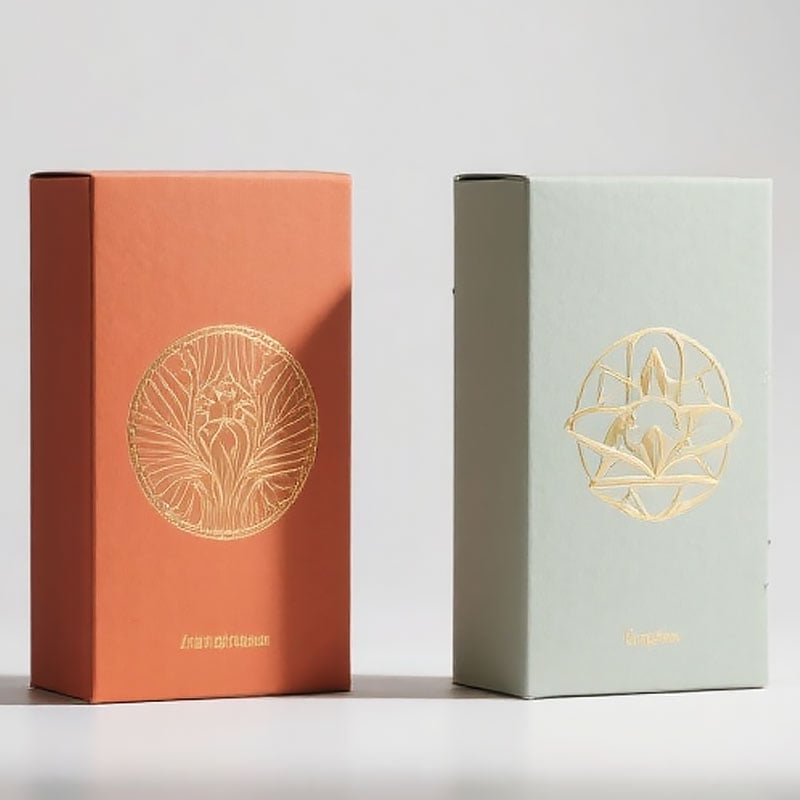
The Psychology and Data Behind Seasonal Packaging Design
Temporal Novelty as a Behavioral Trigger for Repeat Purchase
Our brains are wired to notice change—making temporal novelty a powerful commercial lever. A limited-time seasonal packaging design acts as a pattern interrupt on a crowded shelf, jolting habitual buyers out of autopilot and into conscious re-engagement. This freshness cue triggers dopamine release associated with new stimuli, reframing a familiar product as a novel discovery. The packaging itself becomes an event—transforming routine replenishment into a time-sensitive opportunity. By tying visual identity to a fleeting cultural moment—autumn harvests or winter festivities—you create a psychological itch that compels action before the window closes. This deepens a customer’s sense of exclusivity and personal connection with the brand each cycle. According to McKinsey’s 2023 consumer insights, brands executing quarterly visual refreshes saw a 34% higher 12-month repeat order rate—proving that perceived novelty directly conditions buyer loyalty.
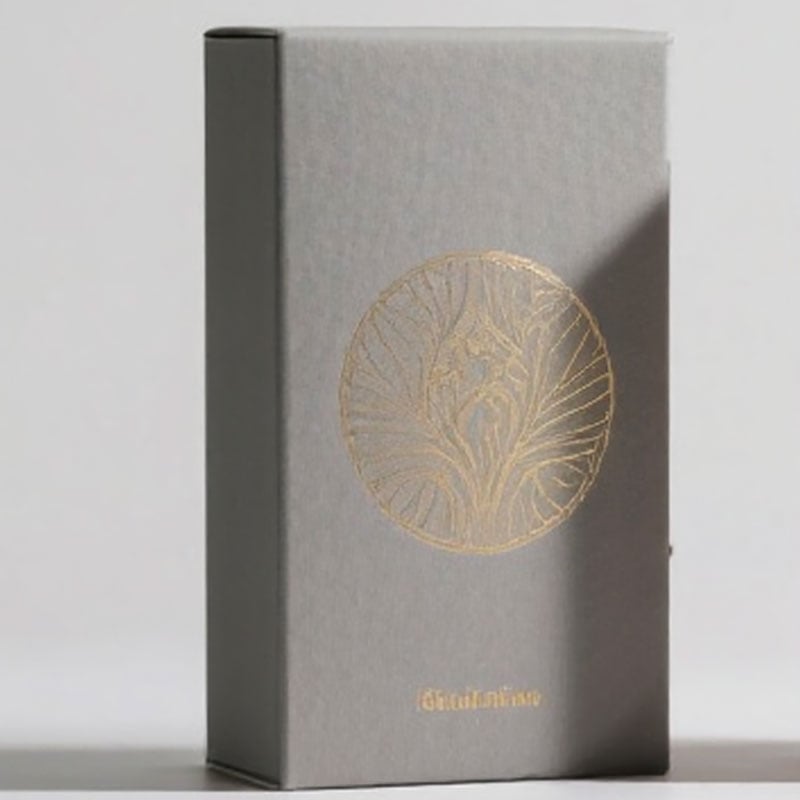
Strategic Scarcity: Limited-Edition Seasonal Packaging and Repeat Custom Packaging Orders
FOMO Mechanics in Packaging: How Time-Bound Designs Accelerate Reordering Cycles
Limited-edition seasonal packaging creates a powerful psychological loop that shortens the customer reorder cycle. Rooted in the well-established scarcity principle, time-bound designs amplify perceived value—not through aesthetics alone, but by leveraging Fear of Missing Out (FOMO) to compress decision-making timelines. When a custom package is explicitly tied to a finite window—such as a winter holiday or summer solstice theme—it transforms routine replenishment into a must-capture event. Buyers who know a festive box design will vanish after a set date are statistically more likely to place advance orders to secure that exclusive unboxing experience. This shifts behavior from passive waiting to active, anticipatory re-engagement. The packaging becomes a collectible asset, moving motivation from functional need to emotional acquisition. As a result, businesses often see surges in early commitments—consumers rush to integrate the fleeting design into their brand rituals before the seasonal window closes, establishing a predictable, accelerated pulse in what would otherwise be a static B2B procurement schedule.
Case Study: Ritual’s Holiday Tin Series Drove 27% of Annual Repeat Orders in Q4
A leading DTC health brand monetized scarcity by reimagining its standard refill program through a seasonal lens. It launched a collectible series of holiday-themed tins—available only during Q4 and retired immediately after the season ended. The urgency to obtain the specific winter design converted passive subscribers into proactive repeat customers. Rather than waiting until supplies ran low, buyers initiated early reorders to guarantee receipt of the limited-edition vessel. The data validated the strategy: this single tactical shift drove 27% of the brand’s cumulative annual repeat orders within Q4 alone. Critically, the perceived value of the container began to rival that of the product inside. By framing the packaging as a time-sensitive artifact—not a disposable wrapper—the brand transformed a consumable into a gifting statement and seasonal tradition. This case demonstrates that when repeat custom packaging orders are anchored to a disappearing asset, the reorder ceases to be a logistical afterthought and becomes a high-priority customer action rooted in exclusive possession.
Elevating Unboxing into Emotional Value to Reinforce Repeat Purchase
Tactile Innovation and Visual Surprise: Turning Seasonal Packaging into Perceived Gifting Equity
The unboxing moment reshapes perceived value before the product is even used. When seasonal packaging introduces deliberate shifts in material texture—or reveals hidden print elements only upon opening—it delivers a sensory reward. This goes beyond decoration: it generates perceived gifting equity, where the packaging feels like part of the present. A soft-touch matte winter finish or an interior printed with a sudden burst of metallic foil creates genuine surprise. Such tactile and visual disruption breaks the mechanical routine of opening a standard parcel—anchoring the brand experience in a positive emotional peak. For repeat custom packaging orders, this emotional calibration is critical: the recipient mentally categorizes the packaging as a value-add rather than a disposable shell.
This transformation addresses the core driver of repeat purchase—anticipatory delight. When a customer recalls that last year’s winter collection included an unexpected velvety insert or a pop-up visual element, that memory becomes a reference point for future decisions. They don’t simply reorder a functional box—they reinvest in a proven emotional outcome. The brain responds more vividly to novelty within familiar patterns; a seasonal tactile shift—like moving from smooth cardstock to grained, recyclable texture for an autumn line—can refresh the brand’s mental footprint. By building curiosity and excitement before the core item is revealed, these innovations turn unwrapping into a standalone value event—one that justifies the entire custom packaging investment.
Brand Cohesion Meets Seasonal Flexibility: Print Innovation Without SKU Fragmentation
Duomix & Quadromix Printing: Cost-Effective Seasonal Differentiation Across Core Custom Packaging Lines
Duomix and Quadromix printing merge digital inkjet with flexographic or screen units in a single pass—enabling brands to apply seasonal graphics directly onto pooled inventory of standard structural blanks. This hybrid process eliminates the need for separate SKUs per holiday or promotion, because only the decorative layer changes: core fitments, substrates, and closure mechanisms remain identical. Setup time drops sharply—a seasonal refresh that once required new flexo plates can now be switched via digital files, slashing changeover from hours to under 15 minutes. Cost models show Duomix workflows reduce print expense by roughly 35% for medium-length seasonal runs, making frequent design rotations financially viable. For custom packaging orders, such agility lowers the barrier to launching time-bound editions that trigger repeat purchase through sustained novelty. Quadromix configurations add inline tactile gloss or foil effects—enriching the unboxing moment while preserving brand guardrails. By decoupling visual variety from structural SKU count, these print innovations let brands respond to seasonal triggers without fragmentation—directly supporting higher reorder cadence.
FAQ
What is the psychology behind seasonal packaging design?
Seasonal packaging leverages temporal novelty, which acts as a behavioral trigger by making a product stand out and feel fresh. This novelty releases dopamine, encouraging repeat purchases.
How does scarcity impact repeat custom packaging orders?
By leveraging the Fear of Missing Out (FOMO), limited-edition seasonal packaging creates urgency, prompting customers to order earlier to secure exclusive designs.
What role does unboxing play in seasonal packaging strategies?
Unboxing elevates emotional value through tactile and visual surprises, creating a positive emotional association that encourages repeat purchases.
How can businesses adopt seasonal packaging cost-efficiently?
Technologies like Duomix and Quadromix printing enable brands to update visual designs seasonally without increasing SKU variety, reducing costs and changeover time.
Table of Contents
-
The Psychology and Data Behind Seasonal Packaging Design
- Temporal Novelty as a Behavioral Trigger for Repeat Purchase
- Strategic Scarcity: Limited-Edition Seasonal Packaging and Repeat Custom Packaging Orders
- Elevating Unboxing into Emotional Value to Reinforce Repeat Purchase
- Brand Cohesion Meets Seasonal Flexibility: Print Innovation Without SKU Fragmentation
- FAQ