EN
EN



What Are Collapsible Rigid Boxes? Merging Structural Integrity with Smart Design
How FlatPack Rigid Boxes Achieve Rigidity Without Permanent Assembly
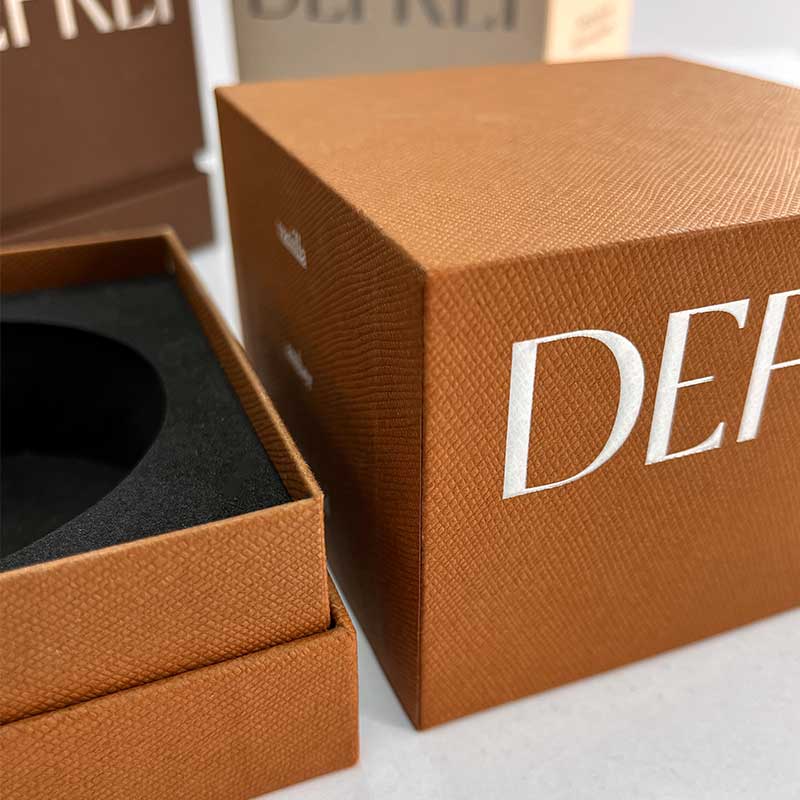
FlatPack rigid boxes redefine premium packaging by delivering the structural performance of a permanent-setup box through a fully collapsible design. Instead of relying on glued joints fixed during manufacturing, these boxes use engineered folding geometry that locks into a rigid form upon assembly. Strategically positioned crease lines and fold points allow the flat sheet to be transformed into a sturdy container in seconds—no tools or adhesives required. The result is a box that feels identical to a traditional luxury rigid box: thick walls, crisp edges, and a satisfying heft—yet collapses flat for return or storage. This dual-state capability cuts warehousing volume and logistics cost dramatically; standard collapsible rigid boxes reduce shipping and storage expenses by over 60% compared to conventional gift boxes, while specialist designs for mid-height products (50–100 mm) achieve an additional 20–30% reduction by optimizing panel nesting. The seamless transition between flat and functional ensures the unboxing experience retains the premium tactile quality expected in high-end markets—merging space efficiency with uncompromised presentation.
Key Structural Innovations: Precision Scoring, Interlocking Tabs, and Reinforced Corners
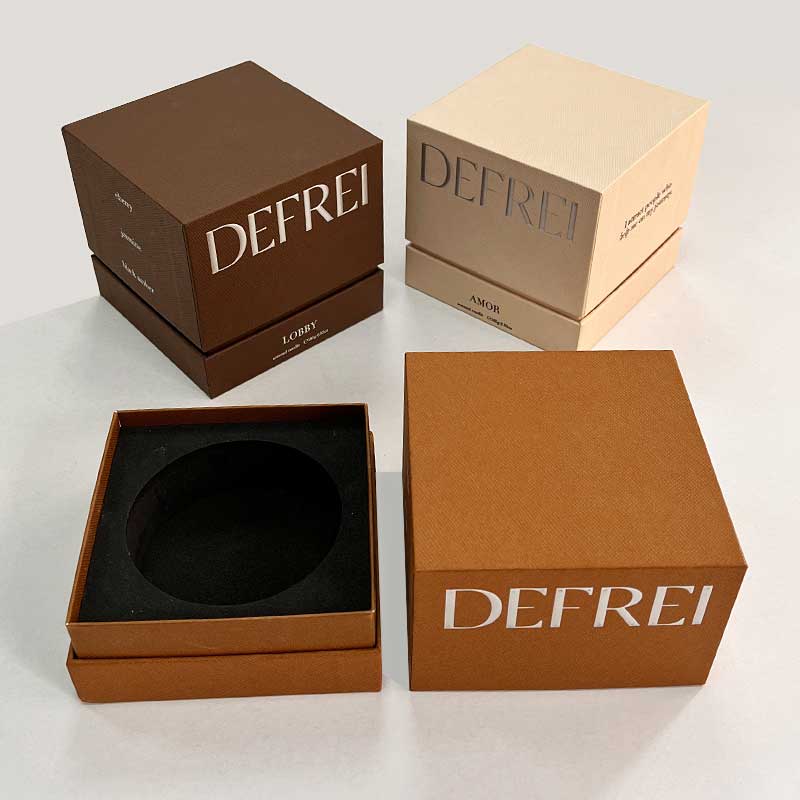
Three core innovations underpin the reliability of collapsible rigid boxes. First, precision scoring creates weakened yet durable fold lines calibrated to material thickness, guiding exact right-angle bends without cracking the outer paper wrap or chipboard substrate—ensuring repeatable assembly across thousands of cycles. Second, interlocking tabs and slots integrated into panel edges serve as the primary locking mechanism: when erected, angled tabs engage corresponding slots to hold walls upright and distribute stress away from corners. Third, reinforced corners combine hidden support panels with double-layer board or specialized adhesive patterns to fortify the most vulnerable stress points—those exposed during repeated opening and handling. An advanced collapsible rigid box integrates these elements into a cohesive design that remains visually clean when assembled, with no visible hardware or bulky additions. When paired with magnetic closures, the box achieves a crisp “snap” while maintaining full collapsibility. Together, these engineering choices deliver the durability and luxury feel of a traditional rigid box—while enabling dramatic logistics savings and supporting reuse cycles.
Storage Efficiency: How Collapsible Rigid Boxes Cut Logistics Costs by Up to 72%
Warehouse Space Savings Through Nesting Geometry and Flat-Fold Packaging
Collapsible rigid boxes revolutionize warehouse efficiency by flattening to up to 90% less volume than their assembled form. When disassembled, they nest compactly—allowing a single pallet to hold over 1,500 units versus just 500 pre-assembled versions. This nesting geometry eliminates dead zones and enables high-density vertical storage, maximizing facility cube utilization. Research from the Material Handling Institute (2023) found that adoption of foldable container designs reduced required storage space by 58–62%. A regional pharmaceutical distributor saved $180,000 annually in rent after switching to stackable collapsible units that used 85% of vertical clearance. Similarly, a Tier 1 automotive supplier eliminated 6,000 sq ft of warehousing, cutting storage costs from $9.80 to $5.90 per square foot while reducing inventory damage by 22%. These space savings free capital for core operations—turning packaging storage from a cost center into a strategic asset.
Reduced Shipping Volume and Associated Carbon Emissions per SKU
Flat-fold packaging halves shipping volume relative to traditional rigid boxes—directly lowering freight expenses and carbon footprint. A standard ocean container that carries 8,000 pre-assembled rigid boxes can transport over 25,000 collapsible units, cutting per-unit freight costs by more than 60% and correspondingly reducing fuel consumption. Fewer shipments per SKU decrease transportation-related emissions, with logistics analyses indicating a per-box carbon footprint reduction of up to 50%. This environmental benefit aligns with tightening sustainability mandates and consumer expectations. The combined impact of diminished storage needs and optimized shipping volumes can shrink total logistics expenses by as much as 72%—a figure realized by businesses that switch to collapsible rigid designs. By eliminating excess fleet runs and lowering facility energy demands, these boxes drive both economic and ecological returns.
E-Commerce & Premium Brand Adoption: Speed, Unboxing Experience, and Brand Alignment
38% Faster Assembly vs. Traditional Rigid Boxes — Operational Impact for Fulfillment Centers
Collapsible rigid boxes—often called FlatPack rigid boxes—transform speed-to-pack workflows inside high-volume e-commerce fulfillment centers. Independent packaging analysis (2023) indicates these designs assemble 38% faster than conventional rigid boxes, slashing per-unit handling time. Instead of gluing or taping pre-made structures, operators simply pop, fold, and interlock. This rapid assembly reduces labor costs per order and raises throughput during peak seasons, where every second counts. For the same volume, fulfillment teams can process over a third more packages per shift—lowering operational expenditures without sacrificing box integrity. Faster assembly also decreases order-processing time, enabling later cutoff times for same-day shipping. Consequently, brands experience fewer backlogs, fewer rush-hour labor surges, and more consistent delivery promises. The result is a leaner, more responsive fulfillment ecosystem that directly supports e-commerce growth—particularly for subscription boxes, cosmetics kits, and electronics shipments where speed and presentation are critical.
Luxury Unboxing Rituals: Why Cosmetics, Jewelry, and Gifting Brands Prioritize Tactile Rigidity + Sustainability
Premium brands in cosmetics, jewelry, and gifting view unboxing as a core brand touchpoint. A 2023 consumer survey found 61% of luxury shoppers more likely to repurchase a product delivered in premium packaging, while 72% say packaging design directly influences their buying decisions. Collapsible rigid boxes deliver the high-touch, tactile experience these buyers expect—a sturdy, crisp-opening shell that conveys heirloom quality—yet fold flat for storage. This hybrid structure aligns with growing sustainability demands: 40% of consumers have shared images of unique, eco-friendly packaging on social media, amplifying organic reach. Because collapsible boxes are reusable and generate less waste during manufacturing and shipping, brands in the beauty and gifting sectors can claim a lower carbon footprint while preserving the premium unboxing ritual. The combination of rigid feel and responsible design deepens emotional connection—turning a transient delivery into a shareable, loyalty-building moment that reinforces brand alignment.
Sustainability Edge: Reusability, Reduced Waste, and Closed-Loop Potential
Collapsible rigid boxes deliver a powerful sustainability edge by combining the durability needed for premium product protection with the flexibility to flatten into a compact form. Unlike traditional rigid packaging that often meets a single-use fate, these boxes are engineered for repeated use—encouraging consumers and businesses to retain them for returns, regifting, or repurposing. This reusability directly reduces the volume of paperboard and chipboard entering landfills, a critical factor given that packaging accounts for nearly 30% of municipal solid waste (EPA, 2021). Waste reduction is further amplified by the boxes’ efficient flat-fold design, which simplifies collection and reverse logistics for closed-loop systems. When integrated into a return-and-reuse framework, flat-pack rigid boxes transform linear supply chains into circular flows—where packaging is returned, cleaned, and cycled back into service—minimizing the need for virgin material extraction and lowering overall environmental impact. And because the materials are predominantly fiber-based, end-of-life recycling aligns with well-established paper recovery streams, supporting a closed-loop model that prioritizes resource efficiency and long-term stewardship without compromising on brand presentation.
FAQ
What are collapsible rigid boxes?
Collapsible rigid boxes are a type of packaging that combines the structural integrity of traditional rigid boxes with the added benefit of being foldable for easy storage and transportation.
How do collapsible rigid boxes save storage space?
When not in use, collapsible rigid boxes can be folded flat, reducing their volume by up to 90%. This allows for high-density storage and saves significant warehouse space.
What are the key structural elements of collapsible rigid boxes?
Collapsible rigid boxes rely on precision scoring, interlocking tabs, and reinforced corners. These features enable a sturdy yet foldable structure that retains its durability over repeated cycles.
How do collapsible rigid boxes reduce shipping costs?
These boxes’ flat-fold design reduces shipping volume, allowing more units per shipment and lowering freight costs by as much as 60%.
Why are collapsible rigid boxes considered sustainable?
Collapsible rigid boxes are reusable, generate less waste during manufacturing, and align with circular economy models by supporting closed-loop recycling systems.
Table of Contents
- What Are Collapsible Rigid Boxes? Merging Structural Integrity with Smart Design
- Storage Efficiency: How Collapsible Rigid Boxes Cut Logistics Costs by Up to 72%
- E-Commerce & Premium Brand Adoption: Speed, Unboxing Experience, and Brand Alignment
- Sustainability Edge: Reusability, Reduced Waste, and Closed-Loop Potential
- FAQ