EN
EN



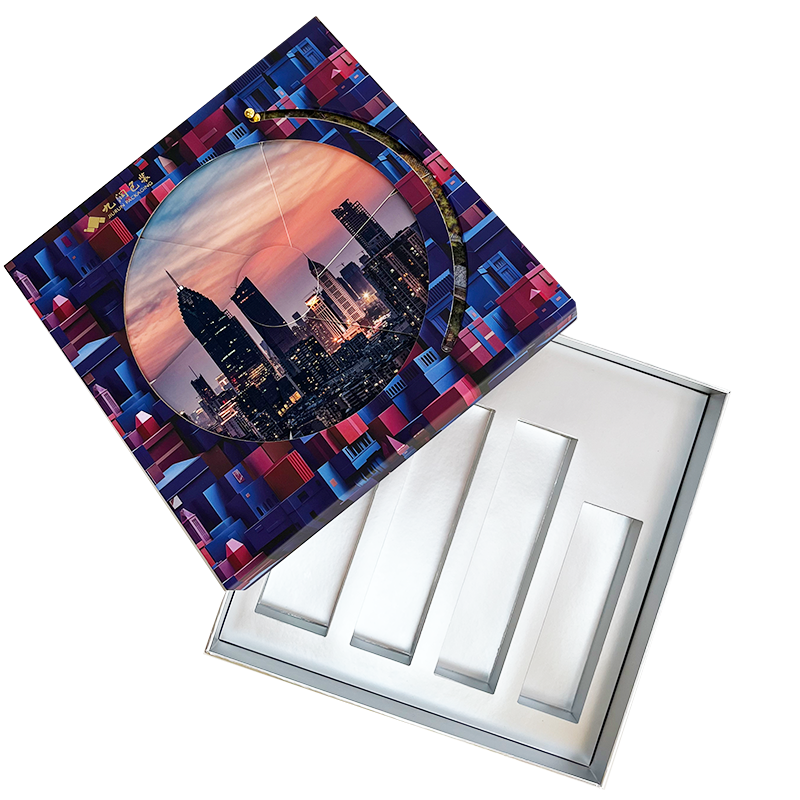
कस्टम कॉस्मेटिक पैकेजिंग के माध्यम से ब्रांड विभेदीकरण
कैसे कस्टम कॉस्मेटिक पैकेजिंग ब्रांड पहचान को मजबूत करती है और सोशल मीडिया पर ऑर्गेनिक शेयरिंग को बढ़ावा देती है
एक भीड़-भाड़ वाले रिटेल वातावरण में, किसी उत्पाद की दृश्य पहचान अक्सर यह तय करती है कि वह ध्यान आकर्षित कर पाएगा या अनदेखा कर दिया जाएगा। कस्टम कॉस्मेटिक पैकेजिंग उपभोक्ता द्वारा उत्पाद को खोलने से पहले ही ब्रांड की कहानी और मूल्यों को संप्रेषित करने का एक प्रत्यक्ष माध्यम है। एक विशिष्ट आकार, सुसंगत रंग योजना या प्रीमियम फ़िनिश तुरंत शेल्फ़ पर पहचान बनाती है—और यह पहचान सोशल फीड्स में भी दोहराई जाती है। यह दृश्य स्थिरता खरीदारों के दिमाग में मानसिक छोटे मार्ग (मेंटल शॉर्टकट्स) बनाती है, जिससे दोहरी खरीद की संभावना बढ़ जाती है।
अधिक महत्वपूर्ण बात यह है कि अद्वितीय पैकेजिंग स्वतः ही ऑर्गेनिक सोशल शेयरिंग को आमंत्रित करती है। उपभोक्ता अनबॉक्सिंग के क्षणों को फोटोग्राफ करने और पोस्ट करने का आनंद लेते हैं—जिससे प्रत्येक पैकेज एक अवैतनिक, उच्च-विश्वसनीय विज्ञापन में बदल जाता है। डायरेक्ट-टू-कंज्यूमर ब्रांड्स के लिए, यह उपयोगकर्ता-उत्पन्न सामग्री अतिरिक्त विज्ञापन व्यय के बिना पहुँच का विस्तार करती है। कुंजी है उद्देश्यपूर्ण डिज़ाइन: डिज़ाइन दोनों फोटोजेनिक होनी चाहिए और और ब्रांड की आवाज़ के प्रति स्वाभाविक रूप से सच्ची होनी चाहिए। जब इसे अच्छी तरह से कार्यान्वित किया जाता है, कस्टम कोस्मेटिक पैकेजिंग कार्यात्मक कंटेनर से एक स्थायी मार्केटिंग संपत्ति में विकसित हो जाता है—जो बिक्री के बाद भी लंबे समय तक काम करती रहती है।
अनबॉक्सिंग अनुभव और स्पर्शगत गुणवत्ता प्रीमियम धारणा के लिए रणनीतिक स्पर्श बिंदुओं के रूप में
पहली शारीरिक अंतःक्रिया—ग्राहक द्वारा पैकेज को उठाना, उसके भार को महसूस करना, एम्बॉस्ड लोगो को छूना, या चुंबकीय बंद करने की आवाज सुनना—किसी भी टैगलाइन की तुलना में धारणागत मूल्य को अधिक शक्तिशाली ढंग से आकार देती है। स्पर्श संबंधी संकेत (टैक्टाइल क्यूज़) विलासिता को संकेतित करते हैं (उदाहरण के लिए, मोटी दीवार वाला कांच, नरम-स्पर्श लैमिनेट्स, सटीक फिटिंग वाले ढक्कन) या समझौते को (उदाहरण के लिए, कमजोर प्लास्टिक, असंगत सीम्स)। कस्टम कॉस्मेटिक पैकेजिंग ब्रांड्स को इन संवेदी धारणाओं पर पूर्ण नियंत्रण प्रदान करती है।
वह अनबॉक्सिंग का क्षण एक अनुष्ठान बन जाता है—एक भावनात्मक जाँच बिंदु जो कनेक्शन को गहरा करता है। शोध से पता चलता है कि सकारात्मक अनबॉक्सिंग अनुभव सीधे ग्राहक धारणा (रिटेंशन) और मौखिक सिफारिशों (वर्ड-ऑफ-माउथ रेफरल्स) में वृद्धि करते हैं। अतः स्पर्श संबंधी डिज़ाइन में निवेश केवल सजावटी नहीं है; यह रणनीतिक है। प्रत्येक सामग्री का चयन, संरचनात्मक विवरण और परिष्करण तकनीक का उद्देश्य दोहरा होना चाहिए: उत्पाद की रक्षा करना और और प्रीमियम स्थिति को मजबूत करना। जब कार्यक्षमता और भावना एक साथ संरेखित होती हैं, तो उपभोक्ता केवल एक उत्पाद नहीं खरीदते—वे एक अनुभव में निवेश करते हैं।
कस्टम कॉस्मेटिक पैकेजिंग में सततता: नैतिकता और प्रदर्शन के बीच संतुलन
पर्यावरण-अनुकूल सामग्री, एकल-सामग्री निर्माण, और शेल्फ लाइफ तथा पुनर्चक्रणीयता पर उनका वास्तविक दुनिया का प्रभाव
ब्रांड्स कस्टम कॉस्मेटिक पैकेजिंग में पर्यावरणीय प्रभाव को कम करने के लिए पर्यावरण-अनुकूल सामग्रियों—जैसे पुनर्चक्रणीय प्लास्टिक, कांच और प्रमाणित जैव-निम्नीकृत संयोजकों—को अपनाने के लिए लगातार अधिक उत्साहित हो रहे हैं। एकल-सामग्री निर्माण—जैसे पॉलीप्रोपिलीन (PP) जैसे एकल बहुलक का उपयोग करना—जटिल छंटाई चुनौतियों को समाप्त करके पुनर्चक्रणीयता में काफी सुधार करता है। फिर भी, प्रदर्शन संबंधी समझौते मौजूद हैं: कुछ जैव-निम्नीकृत विकल्प बैरियर गुणों को कमजोर कर देते हैं, जिससे समय के साथ संघटकों के अपघटन या दूषण का खतरा हो सकता है।
जबकि 75% अमेरिकी उपभोक्ता कहते हैं कि वे स्थायी पैकेजिंग को प्राथमिकता देते हैं (स्टैटिस्टा), वास्तविक पुनर्चक्रण दरें अभी भी कम हैं—जिसका मुख्य कारण बहु-परत लैमिनेट्स और अस्पष्ट निपटान निर्देश हैं। एकल-सामग्री पॉलीप्रोपिलीन (PP) से निर्मित एयरलेस डिस्पेंसर्स यह दर्शाते हैं कि स्थायित्व और कार्यक्षमता कैसे साथ-साथ विद्यमान हो सकते हैं। लेकिन केवल सामग्री-आधारित नवाचार पर्याप्त नहीं है: पैकेज पर स्पष्ट, प्रमुख पुनर्चक्रण दिशा-निर्देश लूप को पूरा करने के लिए आवश्यक हैं। ब्रांड्स को पर्यावरणीय दावों को वास्तविक दुर्घटना प्रतिरोधकता, शेल्फ स्थायित्व और अंतिम उपयोग के बाद के बुनियादी ढांचे के विरुद्ध तौलना चाहिए—और सत्यापन योग्य प्रदर्शन डेटा पर आधारित निर्णयों के माध्यम से हरित-धोने (ग्रीनवॉशिंग) से बचना चाहिए।
रीफिल योग्य प्रणालियाँ: उपभोक्ता अपनाने की चुनौतियाँ और दीर्घकालिक लागत-लाभ विश्लेषण
रीफिल योग्य प्रणालियाँ कस्टम कॉस्मेटिक पैकेजिंग में स्थायित्व के सबसे प्रभावी उपायों में से एक का प्रतिनिधित्व करती हैं—फिर भी, व्यावहारिक बाधाओं के कारण इनका अपनाया जाना सीमित रहा है। उपभोक्ता अनुसंधान में स्वच्छता संबंधी चिंताएँ (42%), असुविधा की धारणा और रिसाव के जोखिम को शीर्ष संदेह के रूप में पहचाना गया है। प्रारंभिक निवेश भी काफी अधिक है: टिकाऊ रीफिल बर्तनों और रिवर्स लॉजिस्टिक्स के कारण प्रारंभिक लागत एकल-उपयोग विकल्पों की तुलना में 30–50% तक बढ़ जाती है।
फिर भी, आरओआई (रिटर्न ऑन इन्वेस्टमेंट) समय के साथ स्पष्ट रूप से उभरता है। तीन से पाँच रीफिल के बाद, ब्रांड्स एक उत्पाद के जीवन चक्र के दौरान कुल पैकेजिंग व्यय में 60–70% की कमी की रिपोर्ट करते हैं। सफलता विचारशील इंजीनियरिंग पर निर्भर करती है: लीक-प्रूफ सीलिंग, सरलीकृत सफाई तंत्र, दृश्यमान अवशेष संकेतक, और प्रोत्साहन कार्यक्रम (उदाहरण के लिए, प्रत्येक रीफिल पर छूट) — ये सभी पुनः उपयोग के लिए व्यवहारिक दहलीज को कम करते हैं। पर्यावरणीय प्रभाव और दीर्घकालिक बचत के बारे में पारदर्शी शिक्षा के साथ जोड़े जाने पर, रीफिल प्रणालियाँ पर्यावरण-सचेत जनसंख्या के बीच वफादारी का निर्माण करती हैं— जिससे सततता एक लागत केंद्र से एक प्रतिस्पर्धी विभेदक कारक में परिवर्तित हो जाती है।
कस्टम कॉस्मेटिक पैकेजिंग के लिए लागत रणनीति: अधिकतम आरओआई के लिए कहाँ निवेश करें
उच्च-प्रभाव वाले तत्वों को प्राथमिकता देना: कस्टम बोतलें बनाम कैप्स बनाम द्वितीयक पैकेजिंग
सभी प्रकार के अनुकूलन से समान रिटर्न प्राप्त नहीं होता है। रणनीतिक निवेश की शुरुआत उस बिंदु की पहचान से होती है, जहाँ पैकेजिंग उपभोक्ता मनोविज्ञान—और खरीद व्यवहार—को सबसे निर्णायक रूप से प्रभावित करती है। द्वितीयक पैकेजिंग लगातार सबसे अधिक रिटर्न ऑन इन्वेस्टमेंट (ROI) प्रदान करती है: कठोर बॉक्स, स्लीव्स या उपहार-तैयार बाहरी आवरण धारण किए गए मूल्य को बढ़ाते हैं, शेल्फ पर उपस्थिति में सुधार करते हैं और मापने योग्य वृद्धि को प्रेरित करते हैं—उद्योग के मानकों के अनुसार, बिक्री में 45% तक और ऑर्गेनिक सोशल शेयरिंग में 60% तक।
प्राथमिक घटक महत्वपूर्ण, लेकिन सहायक भूमिकाएँ निभाते हैं। कस्टम क्लोज़र्स उपयोगकर्ता-अनुभव को बढ़ाते हैं और अंतिम बिंदु पर ब्रांड पहचान को मजबूत करते हैं—अक्सर पूर्ण बोतल पुनर्डिज़ाइन की तुलना में कम लागत और त्वरित वितरण के साथ। ब्रांडेड बोतलें स्थिरता और शेल्फ पर पहचान को बनाए रखती हैं, लेकिन आधारभूत विभेदीकरण के ऊपर इनका प्रतिफल कम होता जाता है। इष्टतम रणनीति में त्वरित ब्रांड उत्थान के लिए द्वितीयक पैकेजिंग को प्राथमिकता दी जाती है, फिर चयनित प्राथमिक घटकों (जैसे पंप, जार, कैप) को उन बिंदुओं पर सुधारा जाता है जहाँ स्पर्श-आधारित अनुभव होता है—यह सुनिश्चित करते हुए कि प्रत्येक खर्च किया गया रुपया कार्यक्षमता और धारणा दोनों को आगे बढ़ाता है।
कस्टम कॉस्मेटिक पैकेजिंग में कार्यात्मक नवाचार: उपयोगकर्ता अनुभव को बढ़ाना
एयरलेस डिस्पेंसर्स, सटीक खुराक निर्धारण और सहज तंत्र शामिल हैं, जो चुपचाप ब्रांड को अलग करने वाले कारक हैं
कार्यात्मक नवाचार अब कस्टम कॉस्मेटिक पैकेजिंग में ब्रांड विश्वसनीयता का एक शामिल लेकिन शक्तिशाली ड्राइवर बन गया है। एयरलेस डिस्पेंसर ऑक्सीजन- और प्रकाश-संवेदनशील फॉर्मूलों की रक्षा करते हैं—प्रभावकारिता को बनाए रखते हुए और प्रीज़र्वेटिव के अत्यधिक उपयोग के बिना शेल्फ लाइफ को बढ़ाते हुए। सटीक खुराक निर्धारण तंत्र सुसंगत आवेदन सुनिश्चित करते हैं, जबकि अपव्यय को न्यूनतम करते हैं, जिससे प्रत्येक उपयोग के साथ विश्वसनीयता को मजबूत किया जाता है। और सहज सुविधाएँ—जैसे ट्विस्ट-टू-लॉक क्लोजर्स, एर्गोनॉमिक ग्रिप्स, या वन-हैंडेड पंप्स—घर्षण को समाप्त कर देती हैं, जिससे दैनिक आवेदन को आसान अनुष्ठान में बदल दिया जाता है।
ये केवल इंजीनियरिंग अपग्रेड नहीं हैं—ये अनकहे ब्रांड वादे हैं। जब पैकेजिंग बिल्कुल बेदाग काम करती है, तो उपयोगकर्ता अज्ञानपूर्ण रूप से उस विश्वसनीयता को स्वयं ब्रांड के साथ जोड़ देते हैं। एक ऐसे उद्योग में, जहाँ फॉर्मूलेशन और दावों की कड़ी प्रतिस्पर्धा होती है, उत्कृष्ट कार्यक्षमता एक विश्वसनीय, अनुभव-आधारित विभेदक बन जाती है—जो वफादारी अपने संदेशों के माध्यम से नहीं, बल्कि दैनिक उपयोग के माध्यम से अर्जित करती है।
अक्सर पूछे जाने वाले प्रश्न
ब्रांड विभेदीकरण के लिए कस्टम कॉस्मेटिक पैकेजिंग क्यों महत्वपूर्ण है?
कस्टम कॉस्मेटिक पैकेजिंग एक ब्रांड की पहचान, मूल्यों और कहानी को संप्रेषित करने में सहायता करती है, जिससे उत्पाद प्रतिस्पर्धी बाज़ार में अलग दिखाई देते हैं। यह सुसंगत डिज़ाइन और दृश्य आकर्षण के माध्यम से ब्रांड पहचान को भी बढ़ाती है, जो दोहरी खरीदारी और स्वतः होने वाले सोशल मीडिया शेयरिंग को प्रोत्साहित करती है।
पैकेजिंग अनबॉक्सिंग अनुभव को कैसे प्रभावित करती है?
अनबॉक्सिंग अनुभव स्पर्शजन्य और संवेदी संकेतों के माध्यम से उत्पाद के धारित मूल्य को प्रभावित करता है। प्रीमियम सामग्री, भार और डिज़ाइन न केवल उत्पाद की सुरक्षा करते हैं, बल्कि उपभोक्ताओं के साथ भावनात्मक कनेक्शन भी बनाते हैं, जिससे ब्रांड वफादारी और मौखिक सिफारिशें बढ़ती हैं।
कॉस्मेटिक पैकेजिंग में पर्यावरण-अनुकूल सामग्री क्या हैं?
पर्यावरण-अनुकूल सामग्री में रीसाइकिल किए जा सकने वाले प्लास्टिक, कांच, प्रमाणित जैव-निम्नीकृत संयोजक, और पॉलीप्रोपिलीन (PP) जैसे एकल-सामग्री पॉलिमर शामिल हैं। ये सामग्री प्रदर्शन और रीसाइकिल करने योग्यता के बीच संतुलन बनाए रखते हुए पर्यावरणीय प्रभाव को कम करने का लक्ष्य रखती हैं।
रीफिलेबल कॉस्मेटिक पैकेजिंग प्रणालियों की चुनौतियाँ क्या हैं?
चुनौतियों में स्वच्छता संबंधी चिंताएँ, असुविधा की धारणा, रिसाव के जोखिम और उच्च प्रारंभिक लागत शामिल हैं। हालाँकि, ब्रांड्स इन बाधाओं को कुशल इंजीनियरिंग, स्पष्ट रूप से दिखाई देने वाली लागत बचत और पर्यावरणीय लाभों के बारे में उपभोक्ता शिक्षा के माध्यम से दूर कर सकते हैं।
ब्रांड्स को कस्टम पैकेजिंग में सबसे अधिक रिटर्न ऑन इन्वेस्टमेंट (ROI) के लिए कहाँ निवेश करना चाहिए?
द्वितीयक पैकेजिंग, जैसे कि कठोर बॉक्स और स्लीव्स, धारणात्मक मूल्य को बढ़ाने और शेल्फ पर उपस्थिति को सुधारने के माध्यम से सबसे अधिक ROI प्रदान करती है। रणनीतिक रूप से डिज़ाइन किए गए प्राथमिक घटक, जैसे कि क्लोज़र्स और कैप्स, भी उपयोगकर्ता अनुभव और ब्रांड पहचान पर महत्वपूर्ण प्रभाव डाल सकते हैं।
विषय-सूची
- कस्टम कॉस्मेटिक पैकेजिंग के माध्यम से ब्रांड विभेदीकरण
- कस्टम कॉस्मेटिक पैकेजिंग में सततता: नैतिकता और प्रदर्शन के बीच संतुलन
- कस्टम कॉस्मेटिक पैकेजिंग में कार्यात्मक नवाचार: उपयोगकर्ता अनुभव को बढ़ाना
-
अक्सर पूछे जाने वाले प्रश्न
- ब्रांड विभेदीकरण के लिए कस्टम कॉस्मेटिक पैकेजिंग क्यों महत्वपूर्ण है?
- पैकेजिंग अनबॉक्सिंग अनुभव को कैसे प्रभावित करती है?
- कॉस्मेटिक पैकेजिंग में पर्यावरण-अनुकूल सामग्री क्या हैं?
- रीफिलेबल कॉस्मेटिक पैकेजिंग प्रणालियों की चुनौतियाँ क्या हैं?
- ब्रांड्स को कस्टम पैकेजिंग में सबसे अधिक रिटर्न ऑन इन्वेस्टमेंट (ROI) के लिए कहाँ निवेश करना चाहिए?