EN
EN



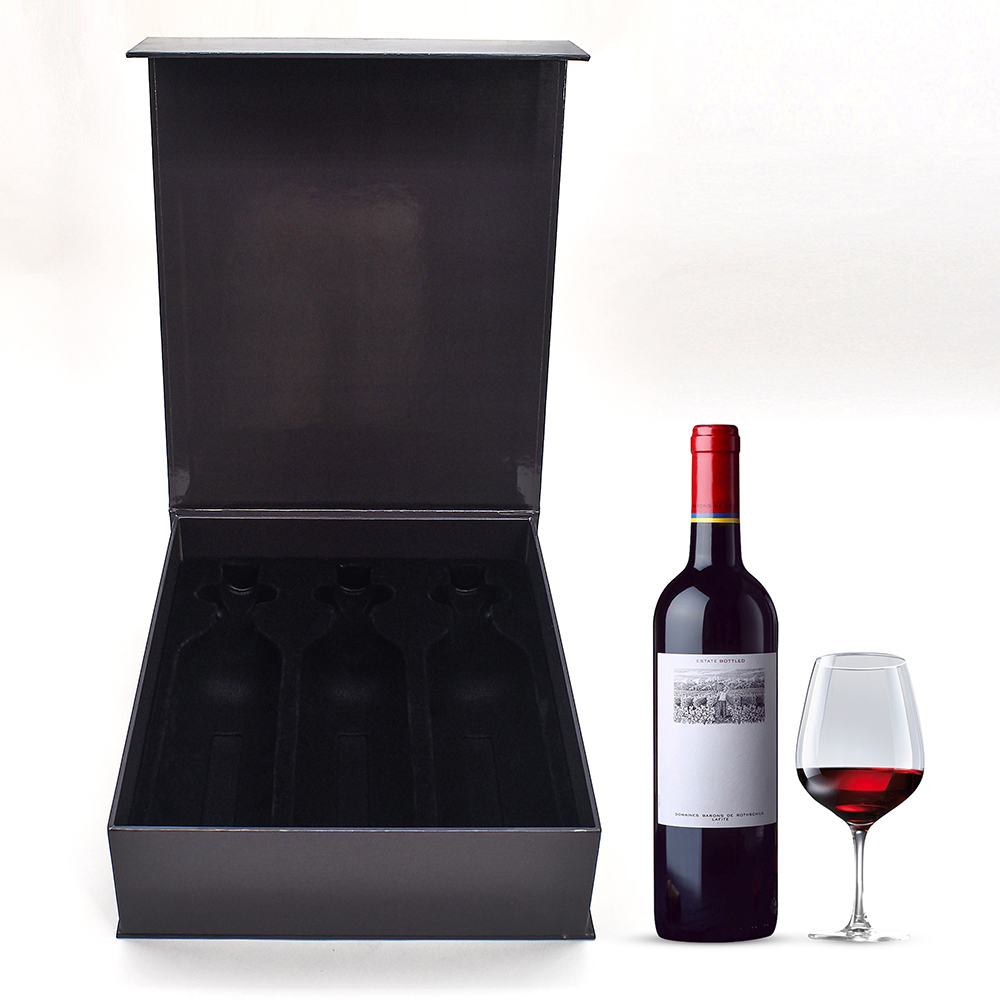
Why EVA Inserts Deliver Superior Product Protection for Fragile Cosmetics
Shock Absorption, Chemical Inertness, and Surface-Safe Cushioning for High-Gloss and Glass Components
EVA (Ethylene-Vinyl Acetate) inserts are the engineering backbone of reliable product protection in cosmetic boxes. Their closed-cell foam structure contains thousands of independent air pockets that compress under impact, dispersing energy laterally and dramatically reducing the force transmitted to the item. For high-gloss compacts and delicate glass perfume bottles, this shock absorption prevents chipping, scuffing, and structural failure. Unlike rigid trays, EVA maintains a soft, non-abrasive surface that will not scratch lacquered finishes or etch mirrored surfaces during transit. The material is chemically inert—meaning it does not react with alcohol-based fragrances, oils, or volatile solvents—ensuring fragrance integrity and bottle clarity remain unchanged over time. Its innate flexibility allows gentle conformity to irregular contours, eliminating pressure points that could crack thin-walled glass vials. Moisture resistance adds another layer of defense: EVA does not absorb humidity, so it won’t swell or lose its protective shape in damp shipping environments. By combining energy dissipation, surface-safe contact, and chemical resilience, EVA delivers a level of protection essential for luxury cosmetics—where even microscopic damage is unacceptable.
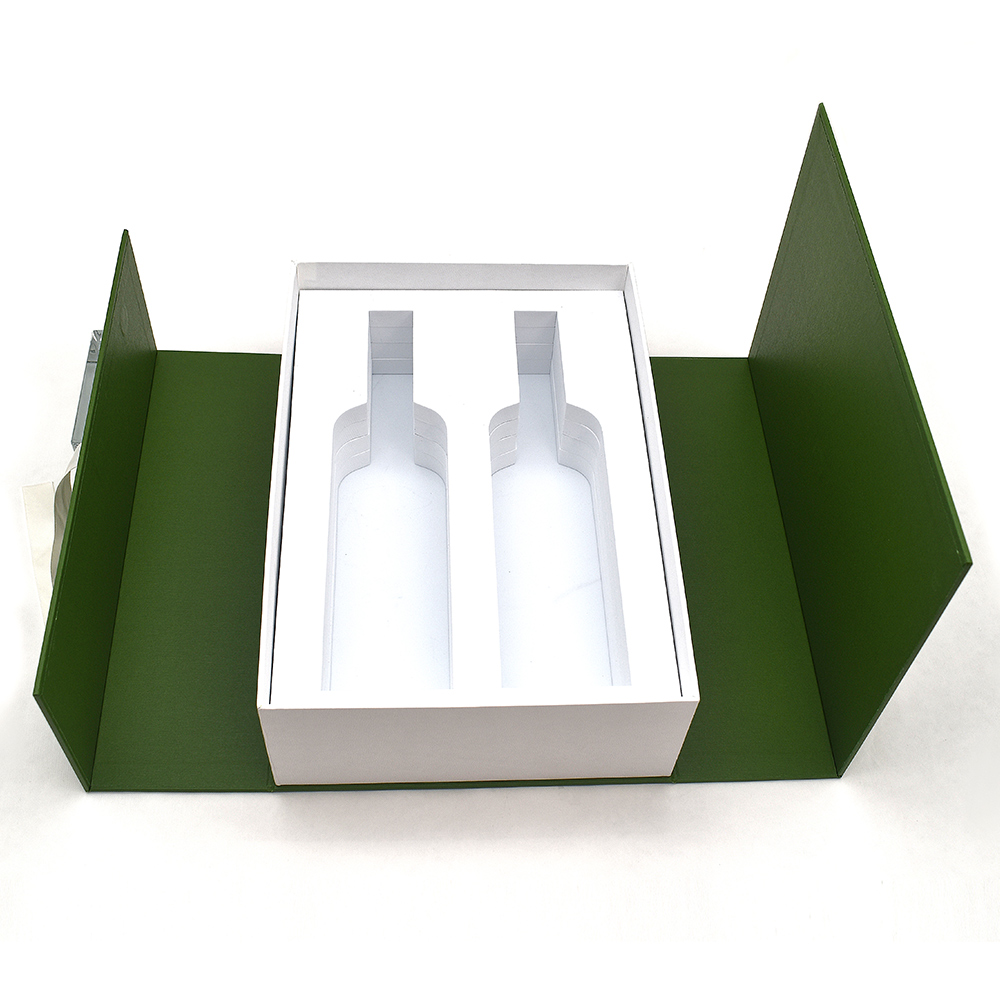
Density and Thickness Optimization: Aligning EVA Foam Specifications with Cosmetic Sensitivity Levels
Achieving optimal product protection requires precision matching of EVA foam density and thickness to the item’s fragility. A lightweight lipstick tube demands a different support system than a heavy, sculptural glass flacon. The table below outlines typical configurations based on cosmetic sensitivity.
| Cosmetic Sensitivity Level | Typical Product Examples | Recommended EVA Density | Suggested Thickness Range |
|---|---|---|---|
| Low (sturdy compacts, plastic jars) | Powder compacts, cream pots | 30–40 kg/m³ | 5–8 mm |
| Medium (glass rollers, serums) | Rollerball bottles, dropper vials | 40–55 kg/m³ | 8–12 mm |
| High (fragile glass, intricate shapes) | Art-glass perfume bottles, multi-component kits | 55–70 kg/m³ | 12–20 mm |
Higher-density foams provide greater rigidity and load-bearing capacity, preventing heavy items from bottoming out under their own weight. Thicker inserts create a deeper cradle that absorbs more energy over a longer stroke, reducing peak deceleration. Conversely, overly dense foam on light items can transmit vibrations rather than absorb them—so tailored specification is critical. Advanced CAD-driven designs allow manufacturers to specify density zones within a single insert, offering firm support where needed and softer cushioning around delicate protrusions. This ensures calibrated protection for every component—from slim mascara tubes to faceted crystal stoppers—minimizing transit damage and preserving flawless presentation.
Custom-Fit EVA Inserts: Engineering Millimeter-Precise Protection for Irregular Cosmetic Forms
CAD-Guided Design for Sculpted Lipsticks, Curved Perfume Bottles, and Multi-Component Kits
Modern cosmetic packaging demands more than generic foam cutouts. CAD-guided design translates 3D scans of intricate products—sculpted lipstick cases, curved fragrance bottles, and multi-component gift sets—into CNC toolpaths that route EVA foam with micron-level accuracy. The result is a cavity that mirrors every contour, eliminating void spaces where parts could shift. For a limited-edition lipstick with a faceted cap, the insert cradles each angle, preventing rotational movement. Multi-component kits benefit from partitioned cavities that keep serums, compacts, and brushes isolated, avoiding contact abrasion. This precision transforms passive cushioning into active structural support—ensuring even the most delicate items remain immobilized during handling and arrive in visual perfection.
Tight Tolerance Control to Prevent Micro-Movement, Stress Cracking, and Transit-Induced Damage
Micro-movement—the subtle vibration that occurs during transport—is a primary cause of cosmetic damage. Glass perfume bottles are especially vulnerable to stress cracking from repeated, low-amplitude rubbing against a poorly fitted insert. Tight tolerance control, typically ±0.5 mm or less, creates a form-fitting grip that arrests this motion. A 2023 International Safe Transit Association study found that reducing cavity clearance to such levels lowered cosmetic product breakage claims by 78% compared to standard die-cut foams. EVA’s closed-cell structure further dampens harmonic vibrations, protecting fragile components like pump mechanisms and mirrored finishes. By enforcing consistent dimensional accuracy, EVA inserts eliminate the micrometer-scale slippage that can erode surface coatings or cause hairline fractures in glass—delivering cosmetics in flawless condition, even after cross-continental shipping.
EVA Inserts as Dual-Function Assets: Uniting Reliable Product Protection with Premium Unboxing Experience
Flocked finishes provide a soft, velvet touch that cradles fragile glass bottles without scratches. Laminated facings add sheen or texture while keeping the insert wipe-clean and chemically inert—critical for cosmetics. Color-matched foam aligns with brand palettes, framing products like a gallery display. Crucially, these treatments do not reduce shock-absorption performance. Precision-cut cavities hold items securely, eliminating movement during transit. The result is a cohesive unboxing ritual for luxury cosmetic boxes: the lid opens to an elegant interior that both protects and communicates care—boosting perceived value and encouraging loyalty.
Proven Impact: Real-World Results of EVA Inserts in Cosmetic Box Product Protection
Cosmetic brands that transition to precision-cut EVA inserts consistently report a sharp drop in transit-related damage. Fragile components—glass bottles, compact powders, sculpted lipsticks—arrive in flawless condition far more often. EVA’s closed-cell structure diffuses impact energy across its matrix, preventing the hairline cracks and surface scuffs that generic fillers routinely allow. This leads directly to fewer returns, lower replacement costs, and stronger retailer confidence. Custom contouring locks each item in a dedicated nest, eliminating micro-movement that causes stress fractures or finish abrasion over repeated deliveries. The unboxing experience is also transformed: products emerge held upright, immaculate, and staged for immediate visual impact—reinforcing the luxury positioning premium cosmetics require. Though exact metrics remain proprietary, industry practitioners observe that EVA-based packaging substantially cuts damage claims and lifts customer satisfaction scores, confirming its dual role as high-reliability protection and a subtle driver of brand loyalty.
FAQ
What is EVA foam, and how does it protect cosmetic products?
EVA (Ethylene-Vinyl Acetate) foam is a closed-cell material engineered to disperse impact energy effectively, offering superior shock absorption and protection for delicate cosmetic items. It’s chemically inert, moisture-resistant, and non-abrasive, making it ideal for packaging high-gloss and fragile glass components.
Why is density and thickness important in EVA inserts for fragile cosmetics?
Density and thickness determine the foam's ability to absorb impact energy and provide tailored cushioning. Higher-density and thicker EVA inserts are best for heavy, fragile items, while lightweight products demand less dense configurations to avoid transmitting vibrations.
How does custom-fit CAD-guided EVA design benefit cosmetic packaging?
CAD-guided design ensures EVA inserts precisely conform to the contour of products, eliminating void spaces and preventing micro-movement. This reduces transit-related damage and enhances product presentation during unboxing.
Can EVA inserts enhance the unboxing experience for luxury cosmetics?
Yes, EVA inserts can be laminated, flocked, or color-matched to align with brand aesthetics, creating a premium unboxing experience that combines protection and visual impact, reinforcing luxury branding.
What measurable benefits have cosmetic brands seen using EVA inserts?
Brands report fewer product damage claims, lower replacement costs, and improved customer satisfaction. EVA inserts help ensure products arrive in pristine condition, dramatically reducing transit-related issues.
Table of Contents
-
Why EVA Inserts Deliver Superior Product Protection for Fragile Cosmetics
- Shock Absorption, Chemical Inertness, and Surface-Safe Cushioning for High-Gloss and Glass Components
- Density and Thickness Optimization: Aligning EVA Foam Specifications with Cosmetic Sensitivity Levels
- Custom-Fit EVA Inserts: Engineering Millimeter-Precise Protection for Irregular Cosmetic Forms
- EVA Inserts as Dual-Function Assets: Uniting Reliable Product Protection with Premium Unboxing Experience
- Proven Impact: Real-World Results of EVA Inserts in Cosmetic Box Product Protection
-
FAQ
- What is EVA foam, and how does it protect cosmetic products?
- Why is density and thickness important in EVA inserts for fragile cosmetics?
- How does custom-fit CAD-guided EVA design benefit cosmetic packaging?
- Can EVA inserts enhance the unboxing experience for luxury cosmetics?
- What measurable benefits have cosmetic brands seen using EVA inserts?