EN
EN


How Custom Sleeves Enable Rapid, Low-Cost Box Transformation
Functional Upgrades: Adding Tamper Evidence, Sustainability Messaging, and Multi-Channel Readiness
Custom sleeves let you integrate functional upgrades without retooling the primary box. Instead of revising the entire container, a sleeve over standard packaging can carry a tamper-evident tear strip—adding safety and instant visual reassurance while cutting per-unit security costs by roughly 30% compared to full-box tamper-proof redesigns.
Sustainability messaging is equally efficient: a matte kraft sleeve printed with recycling instructions and “FSC-certified” claims communicates eco-commitment instantly. Because sleeves require up to 50% less paper and ink than a complete box, they lower both material footprint and production expenses. Multi-channel readiness follows naturally—a QR code for online reordering or a wallet-friendly opening panel for e-commerce returns can be added without disrupting automated packing lines. These functional overlays preserve core box consistency while updating compliance, marketing, and logistics features in days—not months.
Aesthetic Reinvention: High-Impact Visuals Without Structural Overhaul
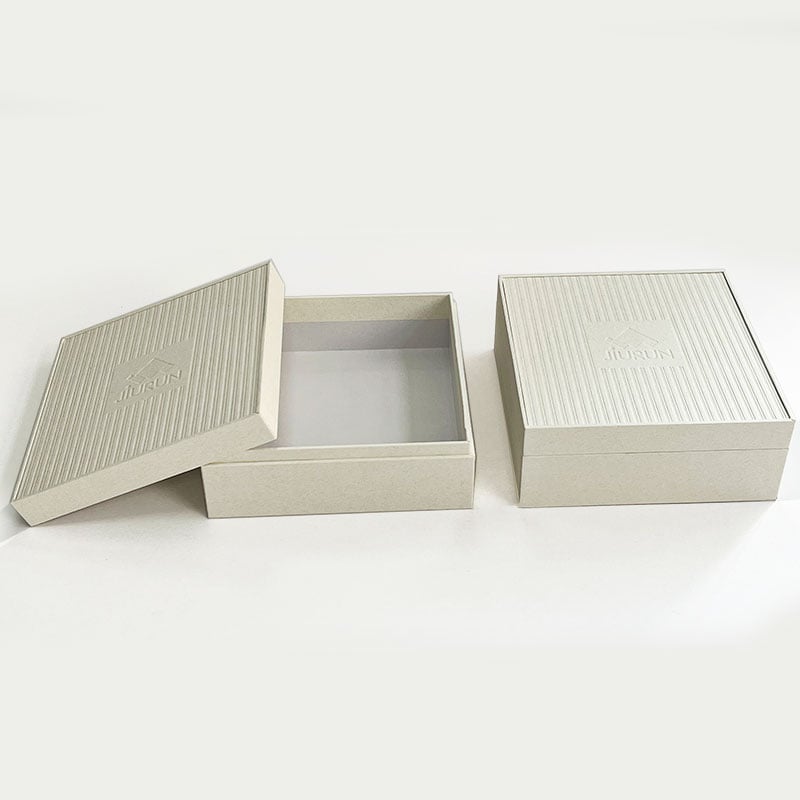
A sleeve acts as a full-wrap canvas for bold graphics, gradients, or metallic foil accents while the underlying tray stays neutral. This design agility lets you launch seasonal motifs, limited-edition collaborations, or region-specific colorways without ordering new structural dies. The same tray that ships year-round can wear a vibrant sleeve for summer promotions and a subdued one for corporate gifting.
High-contrast visuals on a sleeve also command attention on crowded shelves: a 2024 point-of-sale study found shelf appeal improved by 42% when brands rotated sleeve artwork quarterly—keeping internal box inventory identical. Because the sleeve slides off, customers experience a clean reveal that amplifies perceived value. The key is balancing drama with brand recognition—the core identity stays anchored in the product itself, never overshadowed by the sleeve. This modular approach turns standard boxes into versatile brand vehicles, enabling rapid aesthetic pivots without production delays or inflated tooling costs.
Sleeve-Based Rebranding and Seasonal Campaign Flexibility
Modular Rebranding: Case Study — Beverage Brand Cuts Packaging Costs by 62% (2023 Nielsen Retail Impact Report)
Modular rebranding with custom sleeves enables low-cost transformations without altering existing packaging structures. A 2023 Nielsen Retail Impact Report highlighted a beverage brand that achieved a 62% reduction in packaging costs by adopting sleeve-based label changes instead of redesigning rigid containers. This approach eliminates the expense and waste tied to mold revisions or inventory obsolescence, directly lowering bill of materials (BOM) and tooling overhead. Instead of discarding entire packaging stocks, brands overlay a fresh graphic layer—updating shelf identity instantly for flavor extensions, regulatory updates, or regional market entries. Production lead times drop from months to a few weeks because sleeve design, printing, and application do not require retooling primary packaging lines. The same core container can serve multiple SKUs, simplifying supply chain complexity and inventory forecasting. This modularity is particularly valuable during mergers or brand refreshes, where visual consistency must be achieved rapidly across diverse product lines without disrupting fill-speed or protective performance. By decoupling the structural and decorative elements, sleeve packaging turns a capital-intensive redesign into a lean graphic sprint.
Dynamic Campaign Execution: QR-Enabled Sleeves for Limited Editions and Real-Time Content Updates
High-speed marketing campaigns demand agile packaging that adapts to seasonal themes, event sponsorships, or viral moments without manufacturing delays. QR-enabled sleeves bridge physical packaging and digital experiences, letting brands update content in real time without reprinting labels. A limited-edition sleeve can carry a static festive pattern while a printed QR code directs consumers to a dynamic landing page—countdown timers, region-specific prize pools, or gamified product stories—all modifiable post-production. This tactic preserves strict packaging qualification timelines while unlocking interactive shopper engagement. For New Year or World Cup tie-ins, a sleeve refresh takes weeks instead of months, and unsold seasonal stock generates less waste because only the sleeve carries the campaign message. QR analytics feed into attribution models, revealing scan rates by geography and time—so marketing teams can A/B test messaging contexts on identical product containers. The low-cost customization inherent to sleeve packaging makes risk-tolerant trial campaigns feasible, from influencer collaborations to sustainability pledges printed in eco-friendly inks. Core product identity remains untouched, ensuring brand recognition stays stable even as promotional overlays change.
Driving Shelf Impact and Brand Differentiation with Sleeve Packaging
Visual Anchoring: How High-Contrast Sleeves Boost Scanability in Crowded Retail Environments
In retail, shoppers typically allocate just seconds to scanning shelves. High-contrast sleeve packaging serves as a visual anchor—cutting through noise with bold color blocks, distinct typography, and strategic use of negative space. Research published in the Journal of Consumer Psychology (2021) shows products with strong contrast are recognized up to 30% faster. Custom sleeves can incorporate vivid PMS matches, metallic foils, or matte-finish contrasts that differentiate a standard box instantly—even from a distance. This effect intensifies with 360-degree wraps, delivering continuous branding that doesn’t break at shelf edges. The result is higher scanability and increased likelihood of consumer engagement—without altering the primary box structure. Ultimately, this low-cost customization functions as a silent salesperson, driving shelf impact efficiently.
Design Balance: Avoiding Over-Design — When Sleeve Aesthetics Risk Overshadowing Core Product Identity
While visual impact is crucial, over-designed sleeves can undermine brand recognition. An internal 2022 audit by a leading beverage maker found an overly elaborate sleeve design caused a 15% decline in repeat purchase intent, as consumers failed to identify the familiar brand. The sleeve must amplify core brand assets—logo, color palette, and product naming—rather than supplant them. Too many graphic elements or conflicting fonts create visual noise, distracting from the product’s unique selling proposition. Best practice includes maintaining a clear hierarchy: the sleeve message supports, never overshadows, the product inside. Smart brands leverage sleeves to highlight a limited-time offer or sustainability claim without sacrificing foundational brand identity—preserving long-term equity. Every design element should be intentional, tested, and aligned with consumer expectations. When executed correctly, the sleeve becomes a subtle differentiator—enhancing shelf impact without eroding core identity.
FAQ
What are custom sleeves in packaging?
Custom sleeves are wrap-around packaging additions designed for existing containers. They provide functional, aesthetic, or branding updates without requiring a full redesign of the primary box.
How do sleeves reduce packaging costs?
Sleeves require less material and can be added to existing packaging, cutting costs associated with creating and tooling entirely new box designs.
Can sleeves support sustainability messaging?
Yes, sleeves can be made from eco-friendly materials and printed with messages promoting sustainability, offering a low-impact way to communicate environmental commitments.
How do QR-enabled sleeves enhance marketing campaigns?
QR-enabled sleeves link physical products to digital content, allowing for dynamic updates, interactivity, and improved engagement metrics during campaigns.
Why are high-contrast sleeves effective in retail?
High-contrast sleeves draw attention on crowded shelves and improve scanability by 30%, according to research, increasing the likelihood of purchase.