EN
EN



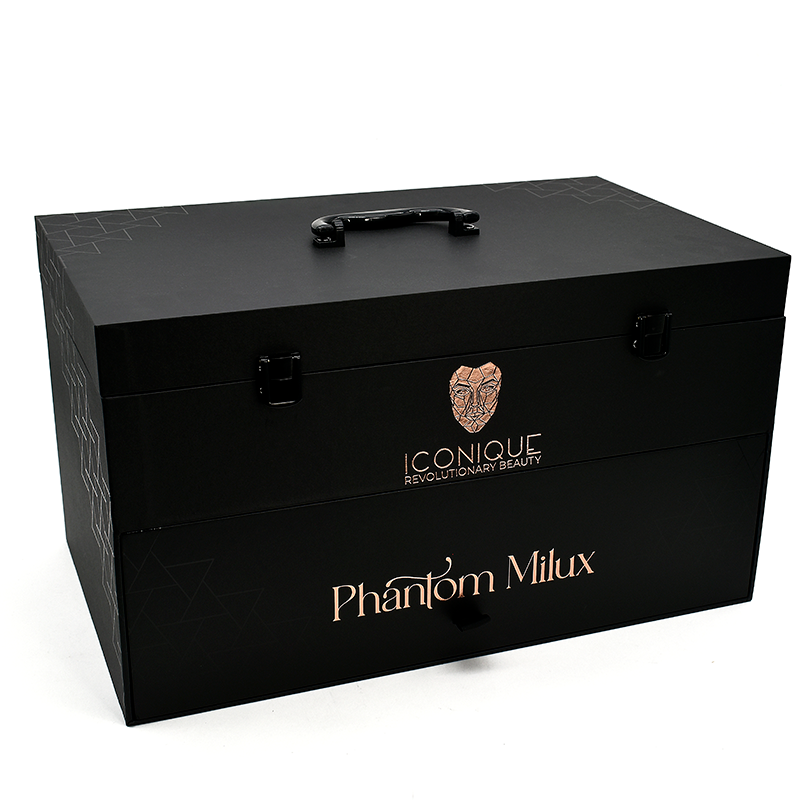
Why Stability Is Non-Negotiable in Cosmetic Gift Sets Packaging
In the competitive beauty sector, consumers expect multi-pack cosmetic gift sets to arrive flawless—any hint of broken compacts, leaked serums, or scuffed cartons instantly erodes brand trust. Stability-driven structural design transforms a simple box into a protective system that immobilizes fragile containers during the bumps and shakes of e-commerce fulfillment. Unlike single-product packaging, multi-pack configurations face multi-axial forces that can cause shifting and collision; without engineered load distribution, the result is a cascade of damage. A 2023 Smithers study found that 18% of premium beauty gift sets are returned due to in-box breakage—a direct financial blow and a sustainability waste. For brand owners, prioritizing stability in cosmetic gift sets structural design isn’t just about protection—it’s a strategic lever to safeguard customer satisfaction and reduce costly returns in multipack packaging. From sudden drops to prolonged vibration, each touchpoint tests the integrity of the pack, making stability an uncompromisable element of a successful product launch.
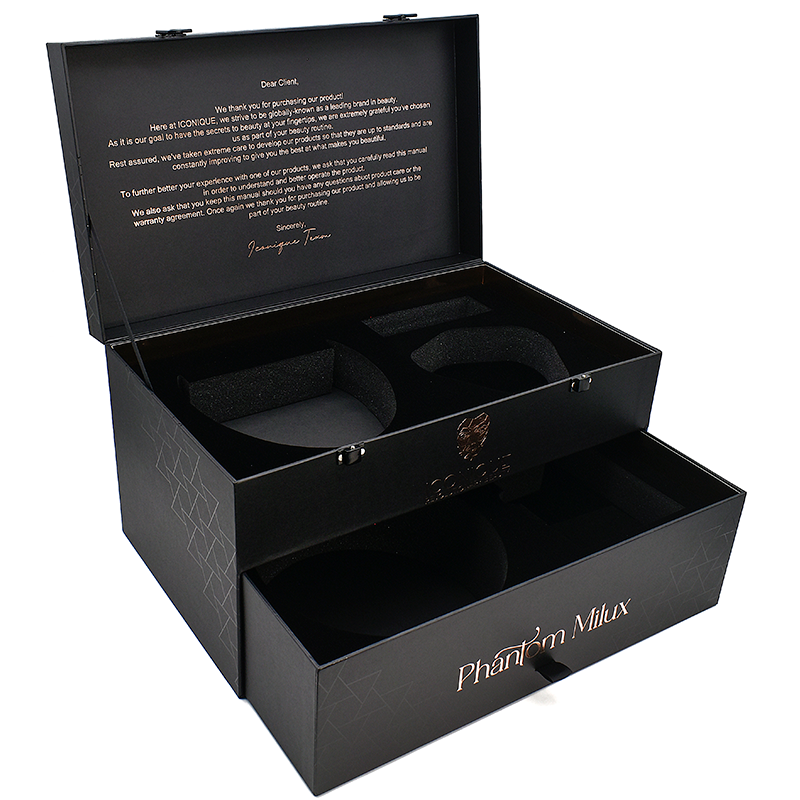
Core Structural Principles: Geometry, Tolerances, and Material Synergy
Optimizing Load Distribution Through Rigid Board Geometry and Corrugated Reinforcement
Optimizing load distribution hinges on rigid board geometry and corrugated reinforcement. A fibreboard base engineered with specific folds and gussets redirects stacking pressure to the container’s strongest edges. Corrugated inserts—such as cross-grain pads or honeycomb structures—act as internal pillars, absorbing dynamic forces and maintaining structural integrity. This prevents package deformation and safeguards delicate cosmetic components. One case study showed a 25% reduction in transit damage after switching to octagonal profiles with dense corrugated bracing, validated against ASTM D4169 compression testing.
Precision Fit Tolerances (±0.15 mm) for Nested Component Immobilization
Maintaining component immobilization demands precision fit tolerances of ±0.15 mm. This tight control prevents nested items like compacts and vials from shifting—avoiding surface scratches or shattered powders. Geometric Dimensioning and Tolerancing (GD&T) specifies flatness, parallelism, and true position for each cavity, ensuring secure placement. Even under vibration, such minimal clearance suppresses chatter and wear. CNC-machined tooling for foam inlays or vacuum-formed trays translates these tolerances into a protective cocoon—delivering a flawless cosmetic presentation upon unboxing and reinforcing a brand’s premium image.
Material Performance Trade-offs: PETG Clarity vs. Recycled PP Impact Resistance (ASTM D4169)
Material selection often pits transparent PETG against recycled polypropylene (rPP). PETG delivers glass-like clarity, enhancing shelf appeal by showcasing product colours and textures. However, ASTM D4169 testing reveals its impact resistance lags behind rPP, which better absorbs shocks and supports circularity goals. Yet rPP’s milky opacity can obscure contents. Engineers resolve this by using rPP for structural inner trays and PETG for outer windows—or by laminating PETG with impact modifiers. Final validation through ISTA 3A and ASTM D4169 ensures the multi-pack endures transit rigours while preserving visual allure.
Advanced Internal Architecture: Custom Inlays and Vibration-Dampening Containment
Molded Fiber vs. Thermoformed Foam: Comparative Vibration Damping in Transit
The internal architecture directly determines whether delicate glass bottles or compacts survive distribution. Molded fiber inlays—formed from recycled pulp—offer high-density cushioning that naturally damps low-frequency vibrations through fiber friction. Thermoformed foam, by contrast, provides uniform cell structure and sustained rebound performance after repeated impacts. For multipack packaging, molded fiber reduces component shifting by up to 40% in simulated truck transport, while foam excels at isolating high-frequency resonance. The choice balances weight, sustainability, and the fragility profile of the set—each material must immobilize components without transmitting shock.
Validating Stability with FEA Simulations and ISTA 3A Drop/Compression Testing
Design assumptions must be proven—not presumed. Finite element analysis (FEA) maps stress distribution under 60 cm drops, revealing weak points in inlay geometry before production begins. ISTA 3A testing then certifies real-world resilience: free-fall drops, random vibration, and top-load compression equivalent to warehouse stacking. This dual validation confirms that vibration-dampening containment holds all components securely—with no cosmetic damage or structural collapse—even under conditions harsher than standard parcel delivery. Passing both ensures the structural design translates reliably from CAD to shelf.
Balancing Shelf Appeal and Structural Integrity in Multipack Packaging
Balancing visual allure with robust containment is critical when multiple products share the same outer structure. A decorative multipack must not sacrifice load-bearing capacity for a sleek silhouette; an unstable unit risks damage, returns, and brand erosion. Design integrates material choice, joinery, and shape to keep the presentation intact under retail handling.
Standardized Footprints for Scalable SKU Compatibility Across Cosmetic Gift Sets
Defining uniform base dimensions—for example, a 210 × 140 mm footprint—enables retailers to stack mixed product lines securely without custom cradles. This interchangeability maintains a 3-high stack stability rating while accommodating varied insert layouts. Identical outer cartons accept different internal trays, cutting tooling costs and accelerating line changeovers. Industry case studies show a 15% reduction in secondary packaging volume when a standardized footprint policy is applied across a product family—without diminishing shelf presence.
Designing for Unboxing Experience Without Compromising Stack Stability
A memorable unboxing moment must not weaken the structure that gets the gift set onto the shelf. Techniques include tear-away ribbon closures that leave the main carton body intact, or telescoping lids that reveal tiered interiors while preserving outer-wall rigidity. Adding micro-flute corrugated inserts boosts vertical compression strength by up to 40%, enabling a soft-touch matte finish outer that invites tactile engagement—yet remains fully capable of withstanding a 10-kg top load. That fusion protects the delight of discovery from the first glance to the final reveal.
FAQ
Why is stability essential in cosmetic gift set packaging?
Stability ensures that multi-pack cosmetic gift sets arrive intact, reducing breakage during transit, protecting brand trust, and minimizing returns or financial losses.
What materials are commonly used for stable packaging?
Materials like PETG, recycled polypropylene, molded fiber, and thermoformed foam are commonly used for their clarity, durability, and vibration-dampening properties.
How does precision fitting improve packaging stability?
Precision fit tolerances of ±0.15 mm ensure components remain immobilized, preventing shifting or surface damage during transit.
What testing methods validate packaging stability?
Tests like Finite Element Analysis (FEA) and ISTA 3A simulate real-world conditions, such as drops, vibrations, and stacking, to confirm design reliability.
Can packaging combine aesthetics with stability?
Yes, packaging can balance shelf appeal and strength through thoughtful design, such as using decorative elements without compromising structural integrity.