EN
EN



Why Window Patches Drive Instant Shelf Appeal in Cosmetic Packaging
Visual Dominance in Crowded Retail Environments
In a saturated aisle, cosmetic boxes compete for a split-second glance. Window patches transform ordinary cartons into dynamic showcases—cutting through visual clutter by revealing color, texture, and form directly. A 2023 retail study found transparent packaging attracts 40% more initial gaze fixations than fully printed surfaces, converting passive browsers into active examiners. The contrast between solid board and clear film creates natural focal points, and shoppers instinctively gravitate toward products they can see—reducing uncertainty about shade accuracy or consistency. Unlike shrink wrap or blister packs, a well-placed window preserves the box’s premium feel while offering a tactile preview. Custom-shaped die-cut windows further anchor attention, reinforcing brand identity and making the product the hero. Ultimately, visibility translates into higher pick-up rates and a decisive competitive edge.
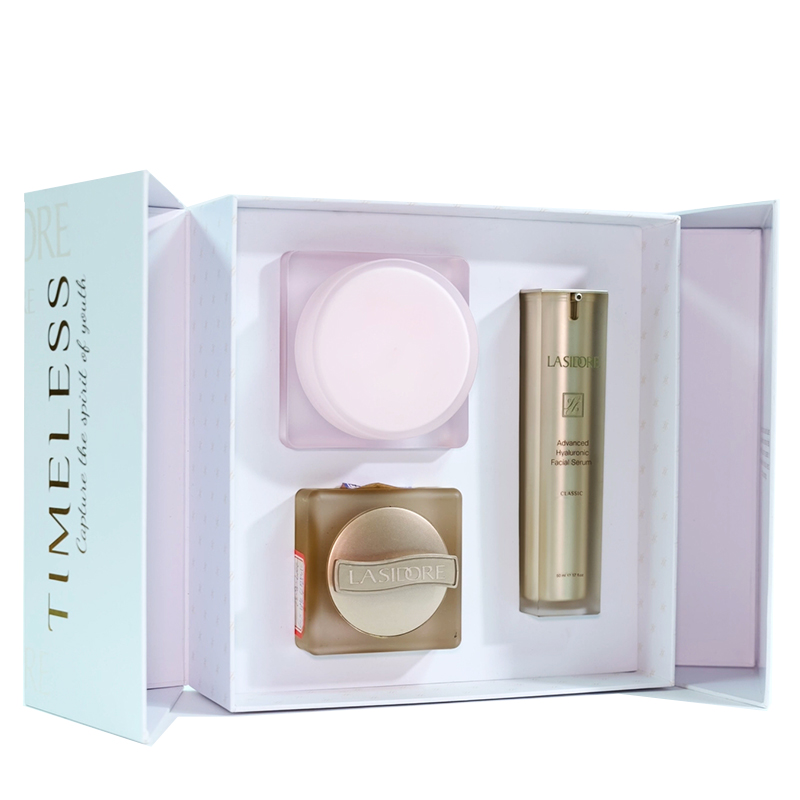
The <3-Second Rule: How Cognitive Shortcuts Favor Transparent Packaging
The average consumer spends under three seconds scanning a shelf before fixating on a product, according to a 2024 eye-tracking analysis. In that micro-moment, packaging must communicate value—and window patches do so by leveraging cognitive fluency: the brain’s preference for easily processed visual information. Seeing the actual lipstick shade or foundation texture removes mental friction, eliminating doubt. This “see-it-to-trust-it” heuristic short-circuits deliberate evaluation, leading to faster reach-and-grab behavior. A 2023 neuroscience study confirmed transparent packaging triggers a 20% faster decision response versus opaque boxes. For premium brands, even a small, elegantly framed window projects exclusivity while delivering essential sensory proof—ensuring the product isn’t overlooked during the fleeting window of shelf engagement.
Functional and Strategic Benefits of Cosmetic Box Window Patches
Transparency as Trust: Reinforcing Product Integrity and Brand Credibility
Window patches transform the unboxing moment into visual proof of quality. When shoppers can see the actual product—its hue, texture, and consistency—they bypass guesswork that often leads to post-purchase dissonance. This is especially critical in color cosmetics, where 85% of returns stem from shade mismatches (NPD 2021). By allowing the item to speak for itself, transparent packaging signals brand confidence: a manufacturer willing to reveal contents implicitly vouches for its standards. Research confirms this transparency boosts purchase intent by 28% (Mintel 2022), as visible product integrity reduces perceived risk. A window patch does more than showcase—it builds credibility and trust, turning a passive box into an integrity-driven sales tool.
Dual-Role Design: Protection, SKU Differentiation, and Embedded Brand Storytelling
A cosmetic box window patch serves a dual purpose: it safeguards the product while acting as a marketing differentiator. The clear film seals the aperture, guarding against dust, moisture, and tampering—essential for fragile powders or creams. Simultaneously, the window’s shape, size, and placement can function as an instant SKU identifier. A circular cutout might signal a blush; a rectangular one cues an eyeshadow palette—aiding shoppers who make 60% of their purchase decisions at the shelf (POPAI 2020). Beyond utility, the window becomes a storytelling canvas: a leaf-shaped opening evokes natural ingredients; a diamond-shaped pane telegraphs luxury—embedding brand values directly into the structure. This fusion of protection, SKU recognition, and narrative design ensures the box delivers the product intact and strengthens brand recall and shelf impact.
Design Essentials for High-Impact Cosmetic Box Window Patches
Material Selection: Balancing Clarity, Sustainability, and Print Compatibility
Selecting the right film shapes shelf appeal. Crystal-clear PET offers high transparency that lets colors and textures shine, while lightweight BOPP provides a cost-effective alternative. Sustainability pressures push brands toward recyclable PET or plant-based PLA—especially as eco-conscious shoppers increasingly avoid traditional PVC. Print compatibility matters too: films must bond well with inks for delicate logo details or product descriptions without smudging. A poor material choice can cloud the window, distort the product view, or peel under humidity—undermining that vital first glance. Leading manufacturers now test film adhesion and clarity under retail lighting to ensure the window enhances, never detracts from, the unboxing experience.
Gloss vs. Matte Finishes: Luxury Perception and Scan Speed Trade-offs
A glossy window finish instantly signals premium quality, reflecting light to draw the eye—ideal for perfume cartons where subtle sparkle elevates perceived value. However, strong gloss can create glare that obscures the product, slowing visual scanning in crowded aisles. A matte finish reduces reflections, making contents easier to identify at a glance—but may appear less luxurious and slightly mute colors. Smart design pairs a matte window with glossy accents elsewhere on the box, preserving quick recognition without sacrificing upscale perception.
Measuring ROI: Shelf Impact and Conversion Lift from Window Patches
The 'See-It-Buy-It' Trend: Synergy Between E-Commerce Unboxing and In-Store Sampling
The rise of “see-it-buy-it” behavior bridges e-commerce unboxing and physical shelf sampling. Window patches allow shoppers to immediately evaluate texture, shade, or product integrity—collapsing hesitation. Research indicates visible product access lifts impulse conversion by 22% (2023 Shopper Behaviour Study), a lift that carries through from Instagram unboxing clips to in-aisle trials—making the packaging itself a silent sampler.
A/B Testing Insights: Centered vs. Asymmetrical Window Patch Layouts Yield +19% Conversion
A/B testing across beauty SKUs found asymmetrical window placements drove a 19% higher conversion rate than centered designs (2024 Retail Packaging Insights). The off-centre cut-out disrupts habitual scanning patterns, guiding the eye directly to the product reveal and creating a memorably dynamic shelf block.
FAQ
What are window patches in cosmetic packaging? Window patches are clear film inserts in packaging that reveal the product inside, allowing customers to see color, texture, or form without opening the package.
What materials are commonly used for window patches? Common materials include crystal-clear PET, lightweight BOPP, and sustainable options like recyclable PET and plant-based PLA.
How does transparent packaging impact consumer behavior? Studies show transparent packaging attracts more attention, reduces purchase hesitation, and boosts decision-making speed, leading to increased conversions.
Are window patches suitable for luxury cosmetics? Yes, with the right design. Glossy finishes can elevate luxury perception, while custom shapes embed brand storytelling.
How do window patches affect ROI? Window patches have been shown to significantly improve shelf impact and conversion rates, bridging online and offline consumer experiences.