EN
EN



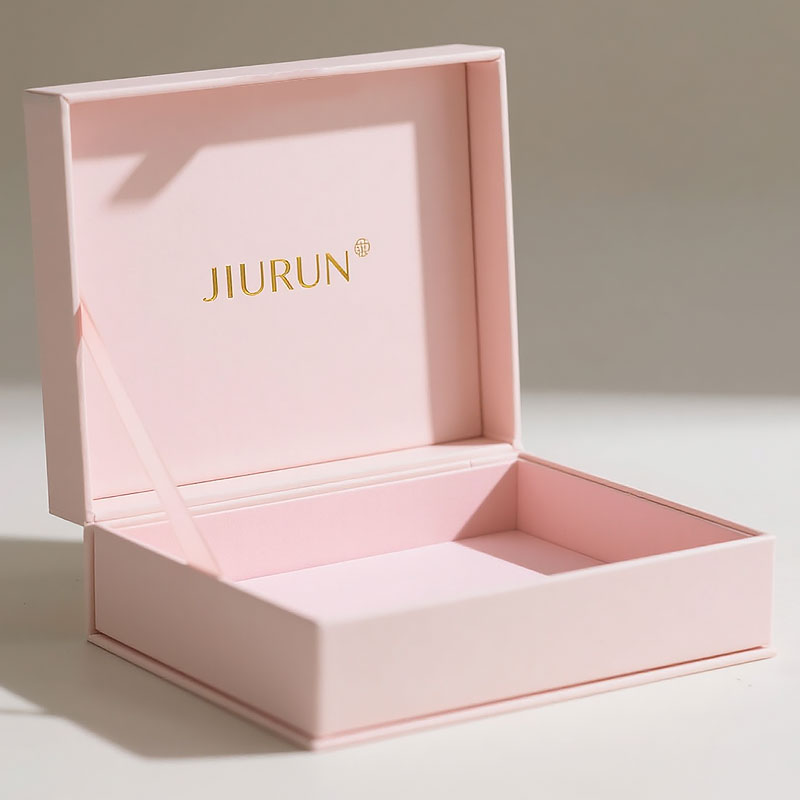
Choosing the Right Material for Custom Printed Cosmetic Boxes
Sustainability, Protection, and Shelf Appeal: Key Functional Criteria
Selecting the right substrate for custom printed cosmetic boxes requires balancing three core criteria: sustainability, product protection, and visual impact. Eco-conscious consumers now expect packaging that minimizes environmental harm—making recyclable, FSC-certified, or compostable materials a baseline expectation, not a differentiator. At the same time, the material must reliably shield fragile items—such as glass serums or pressed powders—from impact, compression, and moisture during transit and retail handling. Finally, shelf appeal is non-negotiable: rigidity, surface texture, and print receptivity directly shape first impressions. A matte-finish rigid board conveys premium restraint; a textured kraft folding carton signals earth-friendly authenticity. Brands that align all three criteria build packaging that is both ethically sound and commercially compelling.
Corrugated, Rigid, and Folding Carton — Matching Material to Brand Tier and Logistics Needs
The choice among corrugated, rigid, and folding carton structures hinges on brand positioning, distribution channel, and functional demands. Corrugated board—lightweight, highly cushioning, and widely recyclable—is ideal for direct-to-consumer e-commerce, where cost-efficiency and transit resilience are paramount. Rigid boxes, typically constructed from 2–3 mm thick paperboard with laminated or wrapped finishes, deliver unmatched structural presence and tactile luxury—suited for high-end skincare or fragrance lines sold in boutiques or department stores. Folding cartons strike a versatile balance: economical, scalable, and compatible with high-resolution printing and complex die-cutting—making them the go-to for mid-tier brands scaling across retail and online channels. Matching structure to strategy prevents over-engineering, reduces material waste, and ensures every box arrives intact and on-brand.
Designing Custom Printed Cosmetic Boxes for Brand Impact and Print Accuracy
From Brand Storytelling to Structural Design: Aligning Packaging with Positioning
Custom printed cosmetic boxes function as three-dimensional brand ambassadors—communicating identity, values, and quality before the product is even unwrapped. Strategic design choices turn packaging into a silent but persuasive sales tool:
- Visual storytelling through intentional color palettes, typography, and imagery reinforces brand personality—clean sans-serif type and muted tones signal clinical purity for dermatologist-backed lines; rich jewel tones and serif elegance elevate prestige fragrance launches
- Structural innovation, such as magnetic closures, lift-off lids, or integrated trays, enhances usability while creating memorable unboxing moments that drive social sharing
- Material harmony ensures physical attributes reflect brand ethos—recycled kraft with soy-based inks supports clean-beauty transparency, while high-gloss white rigid board with foil stamping affirms luxury positioning
A 2025 Smithers packaging study found that 68% of consumers associate structural uniqueness—like nested compartments or origami-style folds—with superior product quality, confirming that dimensional design is a measurable driver of perceived value.
Artwork Preparation Essentials: CMYK, Pantone, Bleed, and Die-Line Compliance for Flawless Printing
Prepress discipline is the foundation of consistent, professional-grade output. Errors at this stage cascade into costly reprints, delayed launches, and brand dilution. Adhere to these industry-critical standards:
| Requirement | Purpose | Industry Standard |
|---|---|---|
| CMYK color mode | Ensures accurate process-color reproduction on press | Convert all RGB assets; maintain 300 DPI resolution |
| Pantone (PMS) references | Guarantees brand-color fidelity across substrates and batches | Specify PMS solid-coated swatches—not approximations |
| 3 mm bleed | Prevents unintended white edges after trimming | Extend background elements beyond cut line |
| Vector die-line | Enables precise cutting, scoring, and folding | Must be layered, labeled, and supplied as AI or PDF/X-4 |
Always outline fonts, embed images, and validate registration marks and color bars in final files. Physical prototyping—using digitally printed mockups on actual substrate—is essential: 23% of cosmetic brands incurred avoidable reprint costs in 2024 due to unchecked artwork issues, per the Packaging Digest Quality Benchmark Report.
Premium Finishing Techniques That Enhance Custom Printed Cosmetic Boxes
Foil Stamping, Embossing, and Lamination — Elevating Luxury Perception and Unboxing Experience
Premium finishing techniques transform functional packaging into a multisensory brand experience. Foil stamping—applied via heat and precision dies—delivers luminous metallic, holographic, or pigment-based accents that instantly elevate perceived value. Embossing raises design elements for tactile engagement, while debossing creates refined, recessed impressions ideal for minimalist branding. Lamination adds durability and depth: gloss enhances vibrancy and contrast; soft-touch matte delivers a velvety, premium hand-feel proven to increase perceived quality in blind consumer testing. Spot UV coating selectively intensifies key elements—logos, icons, or borders—against matte backgrounds, guiding the eye and reinforcing hierarchy. When applied thoughtfully to custom printed cosmetic boxes, these finishes deepen emotional resonance and extend brand memory far beyond the shelf. The finish must reinforce—not contradict—positioning: soft-touch matte aligns with “quiet luxury” aesthetics; high-gloss foil and deep embossing amplify bold, expressive identities. Done right, finishing doesn’t just decorate—it communicates sophistication at first glance.
Streamlining Production: Prototyping, Quality Control, and Supplier Collaboration
Prototyping is not a luxury—it’s risk mitigation. Early-stage physical prototypes reveal structural flaws, misaligned print zones, or unexpected material behavior long before tooling begins. Digital proofs and flat dielines are useful, but only 3D mockups on actual substrate expose real-world performance. Quality control must be systemic: raw material inspection (grammage, caliper, whiteness), inline color verification using spectrophotometers, and post-production checks for fold accuracy, adhesive integrity, and finish consistency. Crucially, supplier collaboration should begin at concept stage—not procurement. Partnering early with packaging specialists grants access to material expertise, die-cutting feasibility insights, and production scalability guidance. This alignment shortens development cycles, reduces revision loops, and ensures custom printed cosmetic boxes meet exacting brand standards—without compromising on speed or sustainability.
Ready to Launch Premium Custom Printed Cosmetic Boxes?
Custom printed cosmetic paper boxes are the cornerstone of beauty brand differentiation, shelf appeal, and consumer loyalty—no generic packaging can match the impact of tailored paper design, premium finishes, and reliable OEM quality. By aligning paper materials, precise printing, and luxury finishes with your brand identity, you’ll boost perceived value, social sharing, and repeat purchases.
For OEM/ODM custom printed cosmetic paper boxes, partner with Jiurun Packaging—your trusted paper packaging manufacturer. Our 10+ years of beauty packaging expertise, FSC/ISO-certified factory, free design & sampling, strict QC, and global shipping deliver reliable, scalable solutions. Contact us today for a no-obligation consultation.
FAQ
What materials are suitable for eco-friendly cosmetic boxes?
Eco-friendly materials include recyclable cardboard, FSC-certified paperboard, and compostable kraft substrates—all designed to minimize environmental impact.
Why are rigid boxes often used for premium products?
Rigid boxes provide structural presence and tactile luxury, making them ideal for high-end brands seeking enhanced unboxing experiences.
How can premium finishes enhance cosmetic packaging?
Premium finishes such as foil stamping, embossing, and soft-touch lamination elevate luxury perception, tactile engagement, and brand memory.
What is the importance of prototyping in packaging production?
Prototyping helps identify structural issues, misaligned print zones, and unexpected material behavior, ensuring quality before mass production.
Table of Contents
- Choosing the Right Material for Custom Printed Cosmetic Boxes
- Designing Custom Printed Cosmetic Boxes for Brand Impact and Print Accuracy
- Premium Finishing Techniques That Enhance Custom Printed Cosmetic Boxes
- Streamlining Production: Prototyping, Quality Control, and Supplier Collaboration
- Ready to Launch Premium Custom Printed Cosmetic Boxes?
- FAQ