EN
EN



How Foldable Cardboard Achieves Dual Performance: The Science of Bendability and Load Resistance
Flute Geometry and Fiber Alignment: The Two Levers Controlling Flex and Strength
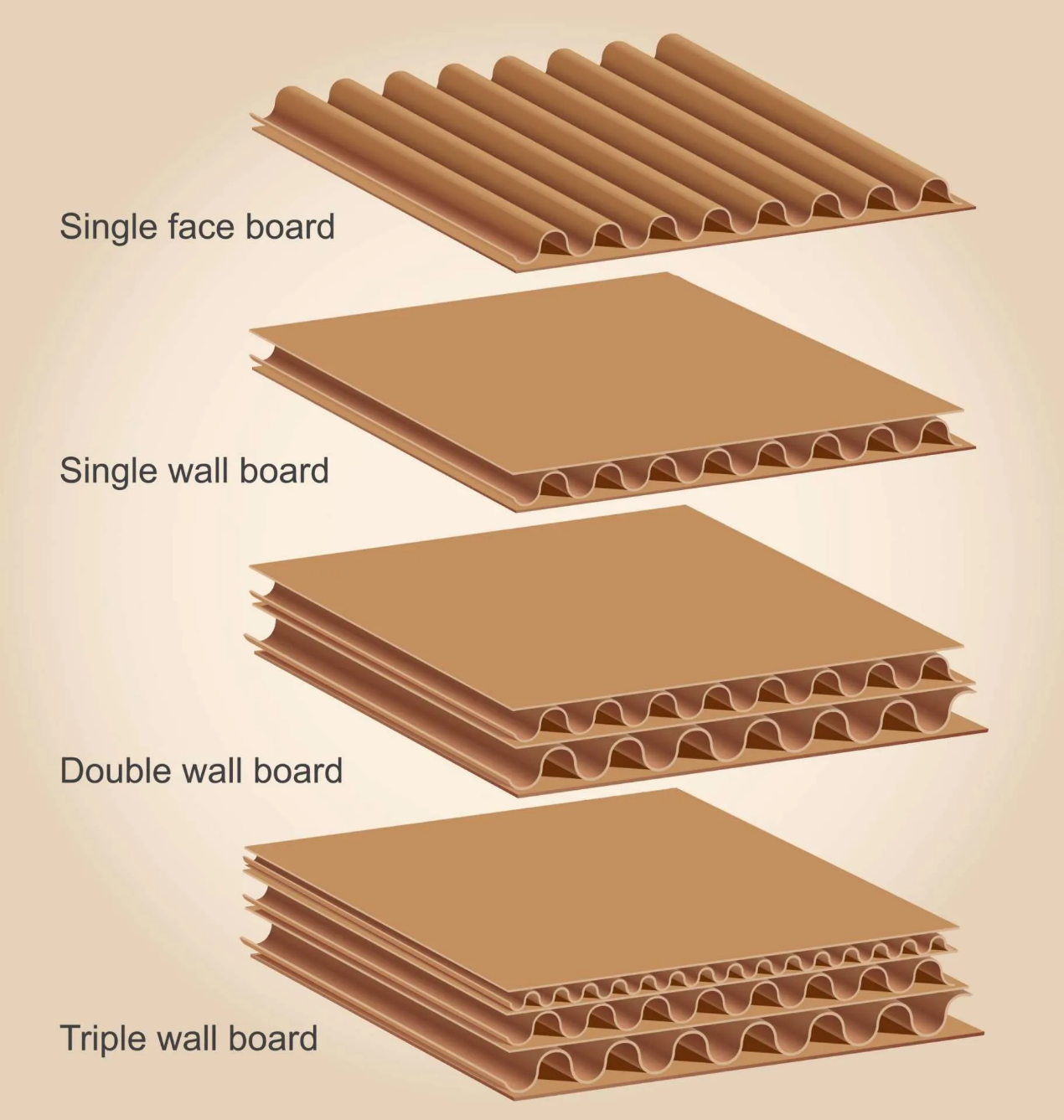
The structural genius of foldable cardboard lies in its corrugated flutes—wavy paper layers sandwiched between linerboards. These miniature arches distribute compressive loads outward, echoing the load-spreading efficiency of Roman aqueducts. Flute height and spacing directly govern flexibility: taller profiles (A-flute) resist crushing but bend less readily, while shorter microflutes (E/F) deliver superior foldability. Simultaneously, fiber alignment in the linerboard dictates tensile strength. Cross-directional fibers form a resilient mesh that withstands repeated folding without cracking—enabling premium grades to endure over 10,000 MIT folding cycles (LR-Test Method 2023).
Debunking the Myth: Why 'High-Flex, High-Durability' Is Achievable in Modern Foldable Cardboard
Contrary to outdated assumptions, contemporary manufacturing eliminates the traditional flex-durability trade-off. Polymer-reinforced adhesives bond flutes to liners with elasticity that prevents delamination during bending. Microflute designs (E/F) now achieve 32% higher edge crush test (ECT) scores than traditional C-flute equivalents at identical basis weights, according to 2024 industry corrugation studies. Precision fiber refining also preserves cellulose chain length in recycled content, maintaining tear resistance across repeated folds. This synergy allows modern foldable cardboard to support 18 kg loads while surviving 200+ folding cycles—a dual-performance benchmark once considered unattainable.
Performance Comparison Across Flute Types for Foldable Cardboard Applications
Flat Crush vs. Bending Modulus: A Data-Driven Look at A, B, C, E, and F Flutes (12–24 pt)
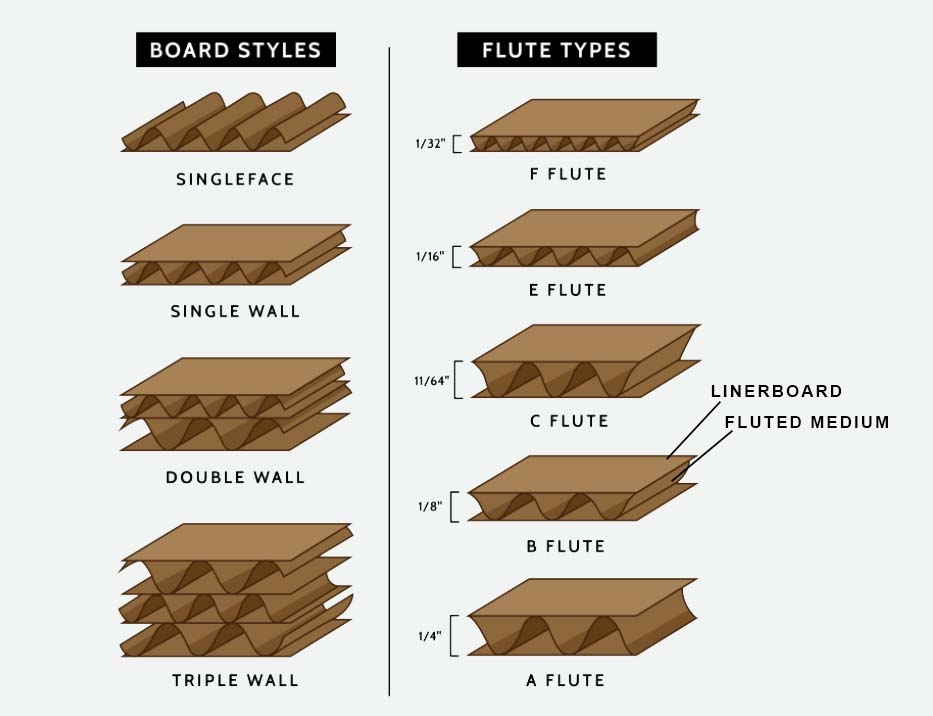
Flute geometry fundamentally shapes foldable cardboard's mechanical behavior. Taller flutes (A: 6.35 mm) prioritize cushioning and stacking strength but reduce bending stiffness; denser flutes (F: 128 flutes/ft) enhance rigidity yet concentrate stress at creases. Key metrics reveal how design choices drive performance:
| Flute Type | Avg. Flute Height | Flutes/Linear Foot | Strength Focus | Flex Focus |
|---|---|---|---|---|
| A | 6.35 mm | 36 | Stacking strength | Impact absorption |
| B | 3.18 mm | 49 | Puncture resistance | Print surface quality |
| C | ~4.37 mm | 41 | Balanced stacking/crush | Moderate fold tolerance |
| E | 1.59 mm | 90 | Crush resistance | High fold frequency |
| F | 0.79 mm | 128 | Structural stiffness | Precision creasing |
Higher flute density (B/C vs. A) improves flat crush resistance by 33%, but reduces bending modulus efficiency by up to 19%, per industry-standard corrugated testing protocols. This inverse relationship demands application-specific selection: C flute supports 23% heavier static loads than E flute, yet E flute withstands 40% more folding cycles before fiber fatigue sets in.
Why Microflutes (E/F) Dominate Premium Foldable Cardboard — And Where Durability Trade-Offs Emerge
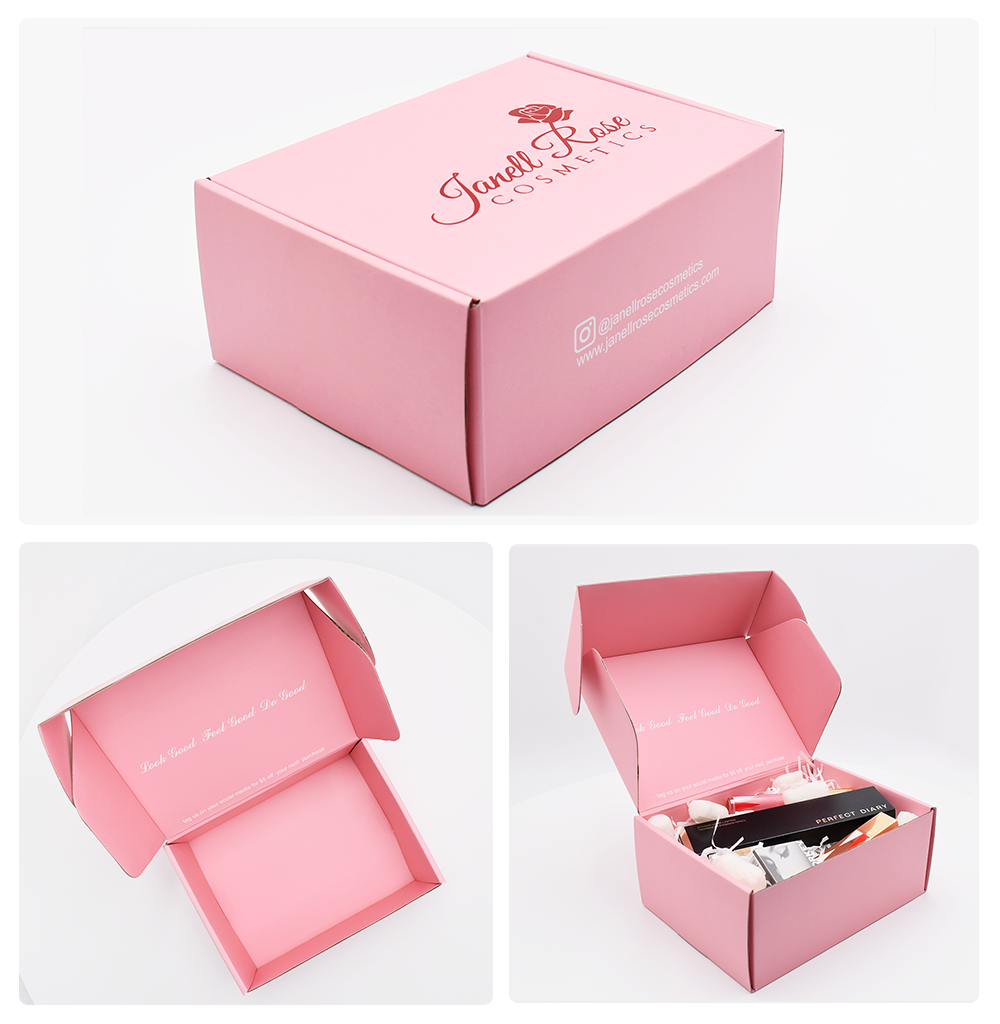
Microflutes (E/F) enable intricate folding patterns and tight bend radii (≤2 mm), making them ideal for high-end retail and luxury packaging. Their high flute density (90–128 flutes/ft) yields a smoother surface for print fidelity and precise creasing. However, compression testing reveals a durability trade-off: E flute tolerates only 44% of the vertical load of comparable C flute boards at 24 pt caliper. In palletized transport, E-flute containers show 29% higher deformation rates under sustained stacking loads. Manufacturers mitigate this through fiber-reinforced liners—but fold endurance remains E/F's defining advantage, sustaining 200+ folds versus just 80 in standard B flute configurations.
Design Optimization Strategies to Maximize Fold Integrity in Foldable Cardboard
Precision Scoring, Crease Radius Control, and Kerf Cuts: Preserving Tensile Strength Through Folding
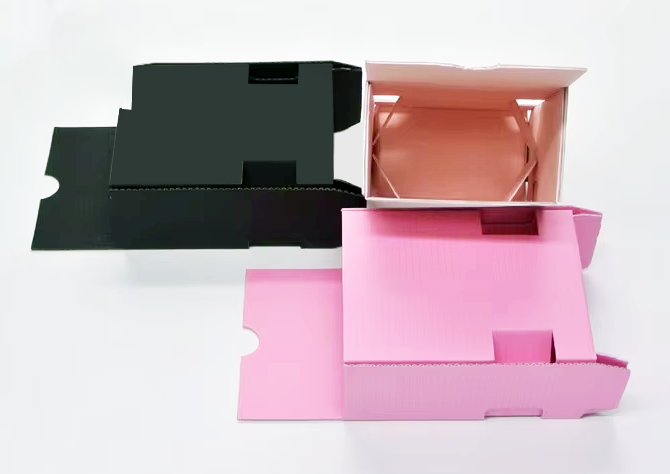
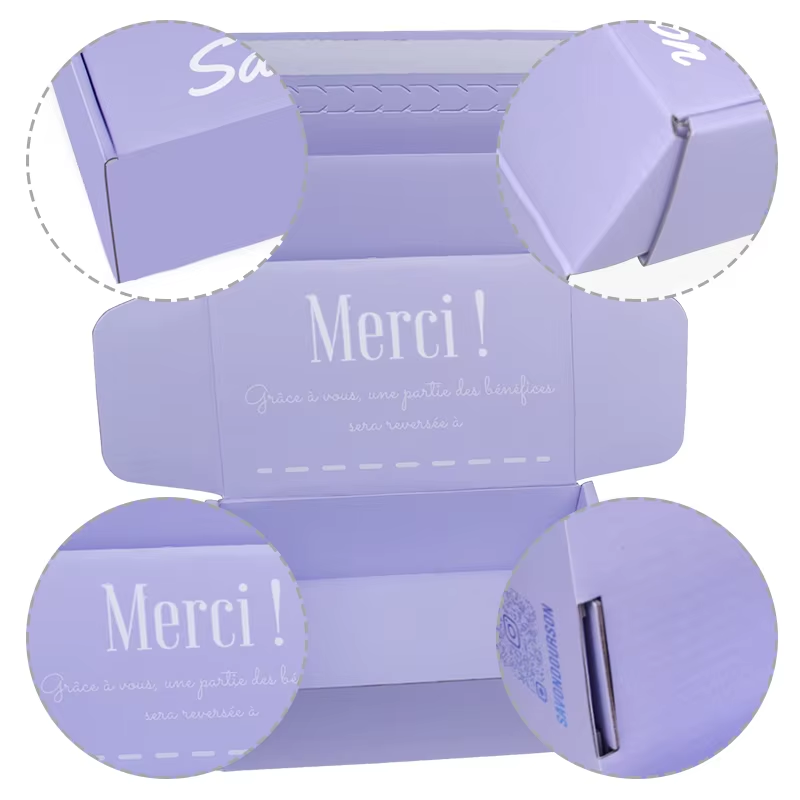
Strategic engineering ensures foldable cardboard maintains structural integrity across repeated use. Precision scoring creates controlled fold lines that guide stress distribution—reducing fiber tearing by 30% compared to conventional creasing. Optimizing crease radius (typically 0.3–0.6 mm) balances flexibility with hold strength: tighter radii increase crack risk; larger radii weaken fold retention. Kerf cuts—laser-perforated micro-cuts along fold paths—localize deformation, preventing fiber fatigue across load-bearing panels. Collectively, these techniques improve tensile strength retention by up to 40% after 20+ fold cycles, especially in high-reuse applications like modular retail displays.

Sustainability's Structural Impact: Recycled Content, Fiber Length, and Fold Endurance in Foldable Cardboard
Sustainable foldable cardboard hinges on balancing recycled content and fiber integrity. Recycled fibers shorten with each processing cycle, potentially reducing tensile strength by up to 30% versus virgin materials (Packaging Institute, 2023). That loss directly challenges fold endurance—particularly in structures designed for repeated opening and closing. To counteract it, leading manufacturers blend long virgin fibers into recycled pulp. These longer fibers act as reinforcement bridges, preserving fold resilience while achieving 70–90% recycled content ratios. An optimized fiber length distribution ensures stress disperses evenly during folding, preventing premature failure at creases. As a result, eco-conscious foldable cardboard reliably survives 50+ fold cycles without structural compromise—demonstrating that sustainability and high-performance engineering are fully compatible.
Ready to Elevate Your Packaging Performance With Custom Foldable Cardboard?
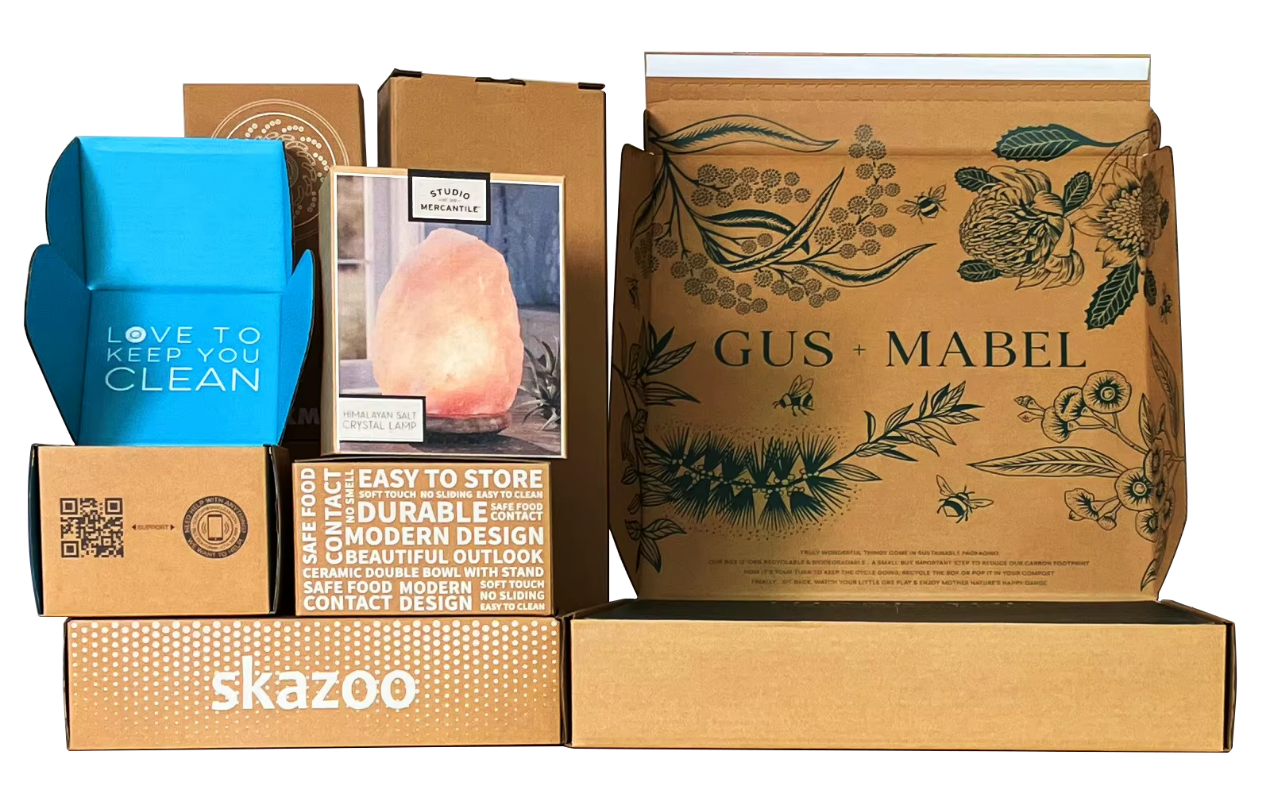
Foldable cardboard is the cornerstone of cost-effective, sustainable, and high-performance packaging for global brands—no rigid packaging solution can match the space-saving logistics, custom design flexibility, and end-to-end durability of engineered foldable cardboard. By matching flute geometry, material formulation, and structural design to your product, shipping, and branding goals, you’ll unlock reduced logistics costs, elevated brand perception, and fully recyclable packaging aligned with global ESG standards.
For OEM/ODM foldable cardboard solutions tailored to your retail, e-commerce, or gifting application, partner with a provider rooted in industrial packaging expertise. Jiurun Packaging’s 10+ years of experience spans custom foldable cardboard manufacturing, with a 10,000㎡+ FSC, ISO 9001, and Sedex certified factory, flexible MOQs, free design support, and 1-3 day free sample production for global clients across 80+ countries. Contact us today for a no-obligation consultation to engineer your perfect foldable cardboard solution.
FAQ
What makes foldable cardboard both flexible and strong?
Foldable cardboard achieves its unique combination of flexibility and strength through its corrugated flute structure and fiber alignment. The flutes distribute compressive loads, while cross-directional fiber alignment enhances tensile strength.
Can foldable cardboard support heavy loads?
Yes, modern foldable cardboard can support significant loads, with some designs capable of holding up to 18 kg while enduring multiple folding cycles.
What are the benefits of microflutes in foldable cardboard?
Microflutes offer enhanced foldability, higher fold endurance, and a smoother print surface, making them ideal for luxury packaging. However, they may be less durable under heavy vertical loads compared to other flute types.
How does the use of recycled content impact foldable cardboard's performance?
Using recycled content can reduce tensile strength, but blending long virgin fibers can counteract this effect, maintaining fold endurance while achieving high levels of recyclability.
What are some design strategies to enhance foldable cardboard's fold integrity?
Design strategies include precision scoring, optimized crease radii, and kerf cuts, which collectively preserve tensile strength and improve fold resilience.
Table of Contents
- How Foldable Cardboard Achieves Dual Performance: The Science of Bendability and Load Resistance
- Performance Comparison Across Flute Types for Foldable Cardboard Applications
- Design Optimization Strategies to Maximize Fold Integrity in Foldable Cardboard
- Sustainability's Structural Impact: Recycled Content, Fiber Length, and Fold Endurance in Foldable Cardboard
- Ready to Elevate Your Packaging Performance With Custom Foldable Cardboard?
-
FAQ
- What makes foldable cardboard both flexible and strong?
- Can foldable cardboard support heavy loads?
- What are the benefits of microflutes in foldable cardboard?
- How does the use of recycled content impact foldable cardboard's performance?
- What are some design strategies to enhance foldable cardboard's fold integrity?