EN
EN



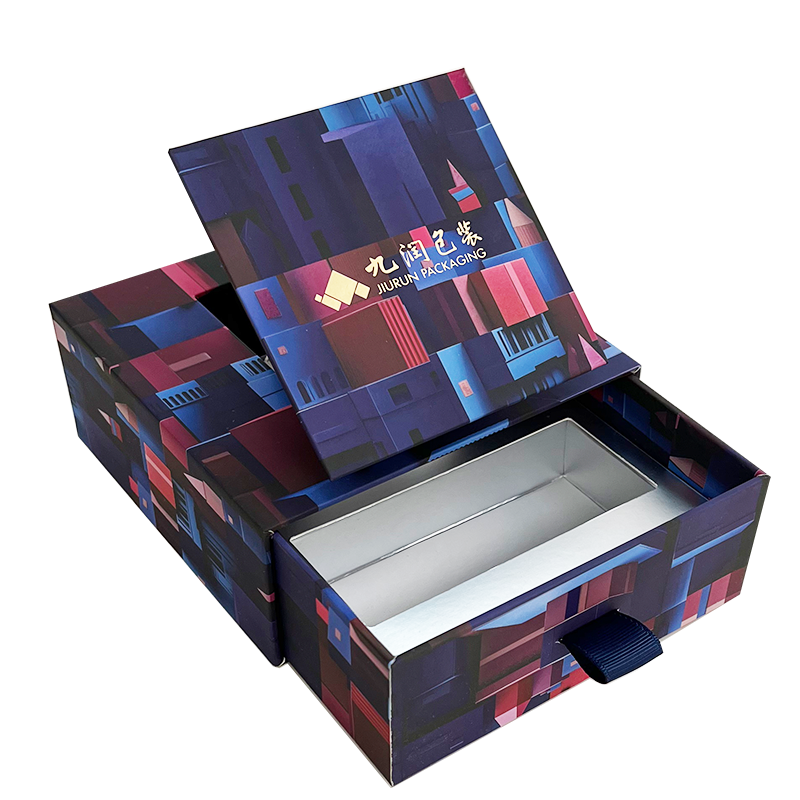
Why Corporate Gift Boxes B2B Gifting Is a High-Impact Relationship Accelerator
In an era where digital noise dilutes human connection, corporate gift boxes have evolved into a strategic accelerator for premium branding and deeper client relationships. Far more than a transactional gesture, a thoughtfully designed gift box triggers a psychological shift—transforming a business interaction into a memorable, emotionally resonant experience. Data underscores this power: a 2024 Sendoso study found that 84% of decision-makers reported feeling a genuine personal connection to a salesperson after receiving a gift, while 82% said it positively influenced a deal outcome. Beyond sentiment, the impact on pipeline velocity is compelling—more than half of all corporate gift recipients go on to do business with the sender (Marketing Donut/IMARC Group 2024), and companies embedding gifting into outbound sequences see up to 3× higher response rates and 60% greater demo attendance. The post-pandemic surge in gifting budgets—64% of firms increased investment, per BusinessResearchInsights 2025—confirms its rising strategic value. When executed as part of a disciplined motion, B2B corporate gift boxes do more than soften cold outreach; they build trust, shorten sales cycles, and turn prospects into advocates. By fusing human insight with premium tangibility, brands create a feeling of reciprocity that traditional digital touchpoints cannot replicate—making each unboxing moment a rapid accelerator of long-term loyalty.
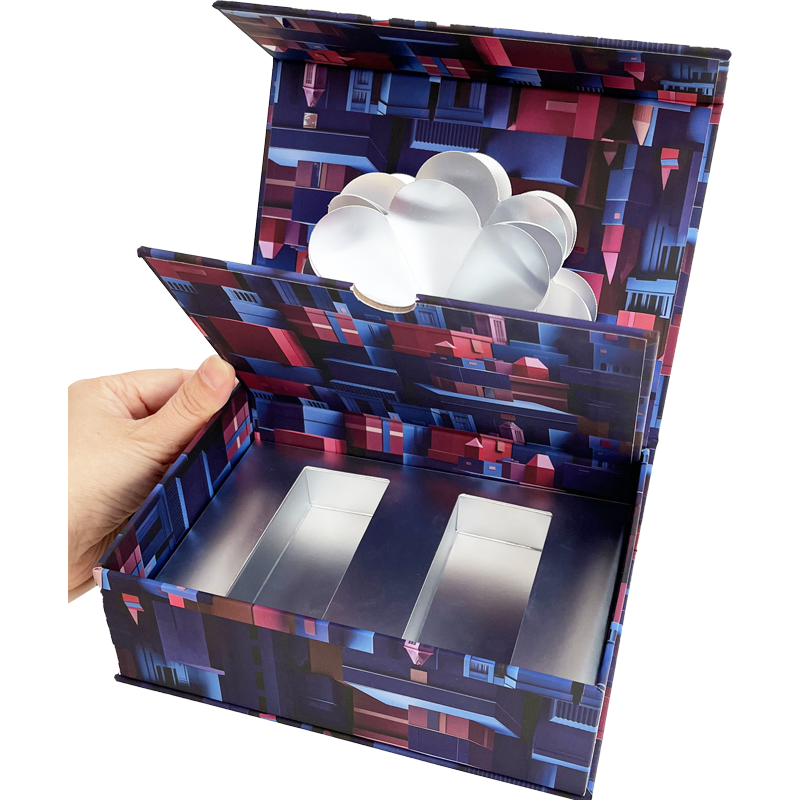
Crafting Premium Branding Through Purpose-Driven Corporate Gift Box Design
Materiality & Craftsmanship: Signaling Value Beyond the Product
The strategic selection of materials and finishing techniques instantly communicates organizational care before a recipient even touches the enclosed item. Heavier, rigid paperboard, soft-touch laminates, and precision embossing signal a commitment to quality that directly elevates the perceived value of the gesture. These tactile elements create a subconscious association between the physical box and the premium nature of the relationship. In B2B contexts—where trust and reliability are currency—such craftsmanship reassures clients that the sender applies meticulous standards to every detail. This sensory confirmation transforms an ordinary delivery into a deliberate statement of partnership, reinforcing that the corporate gift is an investment, not an afterthought. Ultimately, the material language of the box becomes a silent ambassador, conveying durability and substance long after the ribbon is untied.
Visual Consistency: Aligning Packaging with Corporate Identity and Tone of Voice
Cohesive visual identity on corporate gift boxes turns a branded moment into a powerful memory anchor. When color palettes, typography, and logo placement mirror the organization’s broader marketing materials, the unboxing experience reinforces professionalism without a single sales pitch. This alignment ensures the gift feels like a natural extension of the company’s narrative—not a disconnected or generic item. A minimal, understated design might signal executive-level discretion, while a vibrant, playful box could reflect a creative agency’s energy. By intentionally harmonizing packaging visuals with the established tone of voice, companies embed their identity into a high-engagement touchpoint, strengthening brand recall and deepening emotional resonance with every B2B partner.
Personalization That Resonates: Elevating Relevance in Corporate Gift Boxes for B2B Clients
Behavioral Insights Over Basic Demographics: CRM-Driven Customization Logic
Personalization in B2B gifting must shift from basic demographics to behavioral intelligence. A client’s job title reveals only a role—not their current focus or affinities. CRM and marketing automation platforms, however, capture rich signals: download histories, webinar attendance, support ticket themes, and content engagement scores. This data provides a dynamic profile of what each decision-maker truly cares about. For instance, if a procurement lead repeatedly engages with circular economy content, a corporate gift box featuring sustainable, upcycled materials and a booklet on zero-waste processes lands with precision. Such contextual alignment triggers a reciprocity reflex—McKinsey found that 71% of consumers expect personalization, and B2B buyers have fully adopted that benchmark. When you use CRM insights to curate a gift box, you replace guesswork with empathy, elevating premium branding by demonstrating deep understanding. It’s the difference between a forgotten trinket and a relationship-defining gesture.
Tiered Gifting Strategy: Matching Box Complexity to Relationship Stage and Influence Level
A tiered gifting strategy ensures each corporate gift box matches the recipient’s relationship stage and influence—preventing waste and maximizing impact. Prospects receive a simple, branded box with one premium item and a personalized note—enough to spark interest. Engaged clients evaluating a renewal get a curated set highlighting shared successes. For strategic partners and executive sponsors, a multifaceted box with handcrafted items and a handwritten letter underscores deep appreciation. Each tier sends a clear signal: from “we’re paying attention” to “this partnership is irreplaceable.” This calibrated approach avoids over- or under-investment—and research shows 58% of B2B companies using tiered gifting see higher retention. By linking box complexity to relationship depth, you turn every delivery into a precise communication of value.
Engineering the Unboxing Experience as a Strategic Touchpoint
Corporate gift boxes designed for B2B gifting are a premium branding asset—and the unboxing moment transforms a simple delivery into a strategic touchpoint. Decision-makers rarely expect a physical package, so the seconds spent unwrapping can dramatically shift perceived value. A well-engineered sequence signals attention to detail, reinforcing trust and reciprocity long before any product is seen. This experience is not decorative; it functions as a silent handshake that accelerates relationship momentum.
Sensory Sequencing: How Texture, Sound, and Layered Reveal Drive Memorability
Sensory sequencing turns packaging elements into a controlled narrative. A soft-touch matte lid invites touch, while the crisp click of a magnetic closure signals precision. As layers unfold—tissue wrap, a subtle crinkle, a nested compartment with a ribbon pull—anticipation builds. These tactile and auditory cues anchor the memory more effectively than visual design alone. The progression from outer restraint to inner reveal creates a brief, multisensory ritual that heightens the gift’s perceived exclusivity and cements the sender’s brand in the recipient’s recall.
FAQs
Why are corporate gift boxes considered an effective B2B strategy?
Corporate gift boxes are effective because they help create a personal connection, foster trust, and improve client retention. They transform business interactions into memorable experiences, resulting in higher response rates and shorter sales cycles.
How can the design of a gift box impact client perception?
The design, including materials and visual consistency, communicates organizational care and professionalism. Premium designs reinforce a brand’s commitment to quality and enhance the relationship's perceived value.
What role does personalization play in B2B corporate gifting?
Personalization ensures relevance by aligning gifts with the recipient’s interests and needs based on CRM insights. This approach demonstrates empathy and strengthens emotional resonance, leading to deeper client relationships.
What is a tiered gifting strategy?
A tiered gifting strategy involves tailoring the complexity and value of a gift box to different relationship stages and influence levels. It maximizes impact and ensures appropriate investment at every touchpoint.
Table of Contents
- Why Corporate Gift Boxes B2B Gifting Is a High-Impact Relationship Accelerator
- Crafting Premium Branding Through Purpose-Driven Corporate Gift Box Design
- Personalization That Resonates: Elevating Relevance in Corporate Gift Boxes for B2B Clients
- Engineering the Unboxing Experience as a Strategic Touchpoint
- FAQs